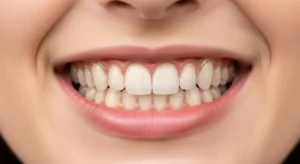

When you think of self-care, what comes to mind? A face mask, a warm bath, or maybe some reading? We often pamper our skin and minds, but neglect a crucial part of our wellness: our mouths. Brushing and flossing feel like chores, not rituals. But oral health is linked to how you look and feel. It’s time to elevate your dental routine from a daily task to an act of self-care.
The Body’s Gateway: Understanding the Oral-Systemic Connection
It is easy to compartmentalize our health. We see a cardiologist for the heart, a dermatologist for skin, and a dentist for teeth. However, biology doesn’t work in silos. Your mouth is the gateway to the rest of your body, and its condition offers a snapshot of your general health.
The concept is known as the oral-systemic connection. The bacteria that build up on your teeth and gums don’t always stay there. If you have gum disease (periodontitis), the barrier between your gums and your bloodstream becomes compromised. This allows bacteria and inflammation to travel to other parts of your body.
Research has consistently shown associations between chronic gum disease and serious systemic issues.
- Cardiovascular Health: Inflammation in the gums has been linked to clogged arteries and an increased risk of heart disease.
- Diabetes: There is a two-way street here. Diabetes can reduce blood flow to the gums, increasing the risk of infection, while severe gum disease can spike blood sugar levels, making diabetes harder to control.
- Respiratory Issues: Bacteria from the mouth can be inhaled into the lungs, potentially causing respiratory infections like pneumonia.
By taking care of your mouth, you are doing far more than keeping your breath fresh. You are actively protecting your heart, your immune system, and your long-term vitality.
Building the Foundation of Oral Self-Care
If we treated our skincare routines the way most people treat their dental routines, we would splash water on our faces for ten seconds and call it a day. To truly practice oral self-care, we need to look at the pillars of a solid regimen.
The Art of Brushing
Most people brush on autopilot. To upgrade this step, focus on mindfulness and technique. You should brush for a full two minutes, twice a day. Angling the brush at 45 degrees toward the gumline ensures you are cleaning the sulcus—the pocket where the tooth meets the gum, which is a prime hiding spot for bacteria. Be gentle; scrubbing too hard can damage enamel and cause gum recession.
Flossing: The Non-Negotiable
If you only brush, you are leaving about 35% of your tooth surfaces uncleaned. Flossing removes plaque from the tight spaces where a brush cannot reach. If traditional floss feels cumbersome, consider floss picks or interdental brushes. The goal is to disrupt the bacterial colonies between teeth before they harden into tartar.
Microbiome Management
Just like your gut, your mouth has a microbiome. Using a harsh, alcohol-based mouthwash can strip away good bacteria along with the bad, potentially causing dryness and irritation. Consider incorporating a pH-balanced mouth rinse or tongue scraping into your routine. Tongue scraping removes debris and bacteria from the surface of the tongue, which significantly improves taste perception and breath freshness.
Tools to Elevate Your Ritual
Investing in high-quality tools is a hallmark of self-care. You wouldn’t apply an expensive serum with a dirty cloth, so why use subpar tools for your teeth?
Electric Toothbrushes
Manual brushes can do the job, but electric toothbrushes do it more efficiently. Many modern models come with built-in pressure sensors that alert you if you are pressing too hard, protecting your gums from damage. The built-in timers also ensure you actually hit that two-minute mark, taking the guesswork out of the process.
Water Flossers
For those who hate the sensation of string floss, a water flosser can be a game-changer. These devices shoot a focused stream of water between teeth to dislodge food and plaque. They are particularly effective for people with braces, bridges, or permanent retainers. While they don’t fully replace the scraping action of string floss, they are a massive improvement over doing nothing.
Interdental Brushes
These act like tiny bottle brushes for your teeth. They come in various sizes to fit different gaps and are often more effective than floss at removing plaque from the concave surfaces between teeth.
How Daily Habits Shape Your Smile
Your oral health isn’t determined solely by what happens in the bathroom morning and night. Your lifestyle choices throughout the day play a massive role.
The Impact of Diet
Sugar is the primary fuel for cavity-causing bacteria. When you eat sugary snacks, the bacteria in your mouth produce acid that attacks your enamel. It isn’t just about candy; starchy foods like chips and crackers can linger on teeth and break down into sugars.
You don’t have to cut out sugar entirely, but frequency matters. Constant snacking keeps your mouth in an acidic state. giving your saliva little time to neutralize the pH and remineralize your teeth.
Hydration and Saliva
Water is nature’s mouthwash. Drinking plenty of water helps wash away food particles and keeps saliva production high. Saliva is your mouth’s best defense mechanism—it contains proteins and minerals that protect tooth enamel and prevent gum disease.
Smoking and Vaping
Tobacco use is one of the most significant risk factors for gum disease and oral cancer. It restricts blood flow to the gums, which slows down healing and masks the early signs of gum disease, like bleeding. Vaping, while often marketed as a safer alternative, can still dry out the mouth and expose tissues to heat and chemicals that may alter the oral microbiome.
Partnering with a Pro
Self-care empowers you to maintain your health daily, but it doesn’t replace professional expertise. Even the most dedicated brushers need regular professional cleanings to remove hardened tartar that a toothbrush simply cannot budge.
View your dentist as a wellness partner. Regular check-ups—typically every six months—allow for the early detection of issues like cavities, gum inflammation, or oral cancer. Catching these problems early often means less invasive and less expensive treatments.
Furthermore, if your smile is a source of insecurity rather than confidence, professional help can bridge that gap. While hygiene is about health, cosmetic dentistry, such as that in High Point, NC, focuses on aesthetics. Treatments like whitening, veneers, or bonding can correct discoloration or alignment issues that might be affecting your self-esteem. Wanting to love the look of your smile is a valid part of self-care, just as wanting clear skin is.
Conclusion
It is time to rewrite the script on dental hygiene. It isn’t a chore to be dreaded; it is an act of preservation for your body and a boost for your confidence. When you take the time to floss carefully or invest in a brush that protects your gums, you are signaling to yourself that your health matters.
Also Read