
Shao Hong is a longstanding member of the Sydney business community who most recently served as Assurance Partner and Head of China Assurance Practice at PwC Australia from 2018 to 2025. Born and educated in mainland China before building her executive career in Australia, she brings a bicultural perspective to boardrooms on both sides of the Pacific, advising Chinese enterprises entering the Australian market and Australian boards expanding into China. Earlier in her career, she spent more than a decade with EY Australia and EY US and contributed to the IPO of the Industrial and Commercial Bank of China. She is recognized as the first audit partner at PwC Australia with a mainland Chinese background and has served as National Treasurer of the Australia China Business Council. Shao Hong remains committed to advancing diversity and inclusion within the accounting profession, a priority reflected in ongoing conversations about important aspects of diversity and equity in the workplace.
Diversity and inclusivity are critically important for businesses that want to promote innovation, optimize decision-making processes, and improve employee retention. In addition to maintaining better workplace morale and culture, companies that prioritize diversity and inclusivity draw from a wider talent pool and enjoy stronger financial performance.
According to a Pew Research Center poll, nearly 60 percent of employed adults support diversity and inclusion initiatives. Meanwhile, about 80 percent of job seekers are interested in working for companies that value diversity initiatives.
Unfortunately, diversity and inclusion statistics continue to lag behind public sentiment on the international stage. Women, for example, hold less than 32 percent of senior leadership positions globally, despite making up nearly 48 percent of the global workforce. At the current rate of progress, complete gender equality is estimated to take roughly 134 years.
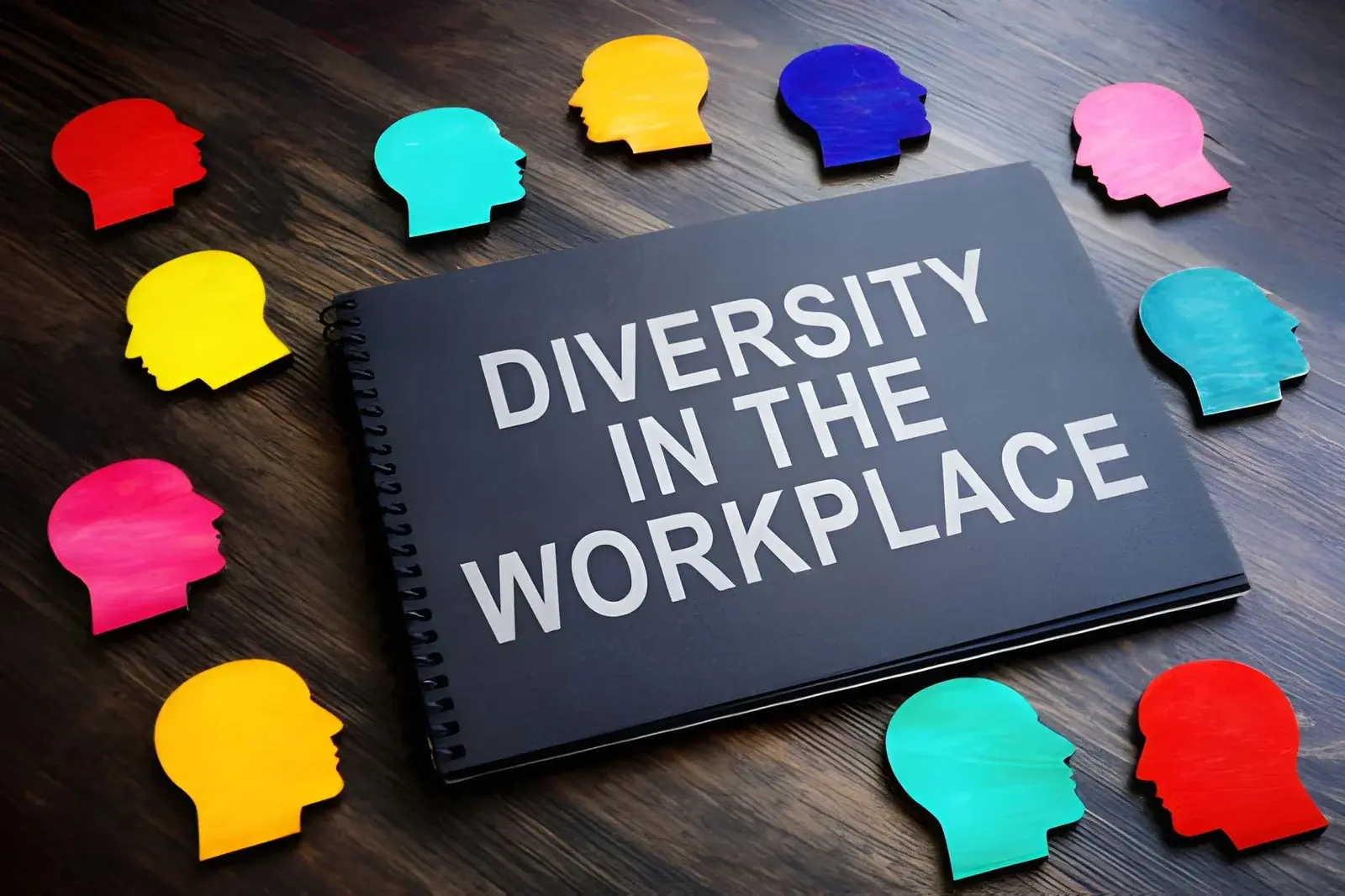
Harvard Business School defines diversity in the workplace as the active participation of individuals with unique backgrounds and perspectives, especially people from communities that are typically underrepresented in certain industries.
The concept of inclusion highlights the importance of creating a welcoming, respectful environment for all workers. Equity, in workplace settings, means that companies do not simply hire workers from different backgrounds, but provide them with equal opportunities for advancement and value their input the same as other workers.
Together, diversity, equity, and inclusion form a company’s DEI policy.
Companies in the process of developing or evaluating their DEI processes need to integrate cultural awareness checks, which help facilitate streamlined communications between coworkers and increased employee engagement. Cultural awareness is particularly important for businesses in the midst of global expansion, and can seriously influence relationships with potential clients and external stakeholders.
Business leaders can improve cultural awareness and DEI efforts by engaging in continuous professional education, though self-reflection and personal development are also important.
In order to cultivate and promote cultural awareness in the workplace, leaders must adopt an ethical tone at the top and role model the company’s DEI policies at all times.
Active listening is a key skill for leaders who want to communicate effectively and recognize their own personal biases that may negatively impact DEI efforts. Leaders should learn how to be comfortable showing vulnerability and admitting errors when they make mistakes, behaviors they should encourage other workers to follow.
Similarly, leaders should also commit to establishing a speak-up culture in the workplace, which promotes an environment in which all employees feel comfortable sharing ideas, raising concerns, and drawing attention to mistakes without fear of punishment or harassment.
A major advantage of DEI involves innovation and the exchange of new ideas. An overly restrictive and punitive work environment stifles creative thinking and problem-solving, hampering organizational growth.
Professional leaders can establish a speak-up culture by committing themselves to psychological safety, a concept developed and promoted by Amy Edmondson, a professor at HBS.
Psychological safety is the foundation for creating an inclusive, innovative, high-performance work environment.
A lack of punishment for experimentation and reasonable risk-taking, space for creative thinking, and a framework for managing and embracing productive conflict are among the most important elements of a psychologically safe workplace.
About Shao Hong
Shao Hong is a Sydney-based financial executive who served as Assurance Partner and Head of China Assurance Practice at PwC Australia from 2018 to 2025. With more than two decades of experience, she previously held senior roles at EY Australia and EY US and served as National Treasurer of the Australia China Business Council. She holds dual accreditation as a member of Chartered Accountants Australia and New Zealand and the Chinese Institute of Certified Public Accountants.
Also Read