
Introduction
Transportation networks play an important role in economic growth, trade, and public mobility. Ports, railway stations, freight terminals, and logistics centres handle large volumes of goods and passengers every day. As these operations expand, maintaining security while ensuring smooth movement becomes increasingly important. Manual inspection alone can be time-consuming, especially at locations where large consignments and frequent train movements need to be managed.
Advanced inspection technologies help security teams examine cargo, identify potential risks, and improve monitoring procedures. Automated imaging solutions are particularly valuable because they can support faster inspections while reducing the need to physically unload or open every shipment.
Understanding Advanced Container Inspection
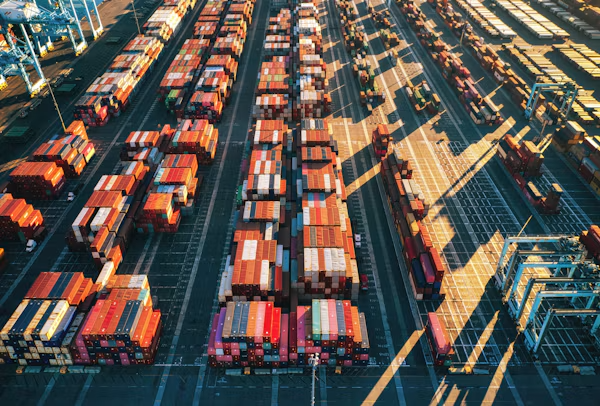
Cargo containers are widely used to transport commercial goods across domestic and international supply chains. Their size and sealed structure can make physical examination difficult. Opening containers for routine checks may interrupt logistics operations and require additional labour.
Acontainer scanning machine uses X-ray imaging technology to examine the contents of containers without requiring the entire shipment to be unloaded. The resulting images allow trained operators to review cargo structures, identify unusual patterns, and decide whether further examination is necessary.
Where Container Inspection Technology Is Used
These inspection solutions can support security operations in several environments:
- Seaports: Helps customs teams examine incoming and outgoing cargo containers.
- Inland container depots: Supports inspection activities at important freight handling locations.
- Border checkpoints: Assists authorities in examining cross-border shipments.
- Logistics hubs: Strengthens cargo inspection procedures at large distribution facilities.
- Industrial facilities: Supports security checks for goods entering or leaving sensitive premises.
The equipment selected for a facility should match its cargo volume, inspection requirements, available space, and operating conditions. Proper image analysis and trained personnel are equally important for effective inspections.
Strengthening Security Across Railway Networks
Railway infrastructure handles passenger services, freight transportation, and important supply-chain operations. Busy stations and freight terminals require organised security procedures to manage large numbers of people and goods. Screening technology can help authorities improve visibility and identify potential threats at designated inspection points.
Arailway scanning machine can be used in railway security environments to examine baggage, parcels, or other items, depending on the equipment type and configuration. X-ray-based inspection solutions help security personnel view the internal contents of screened items without opening each one manually.
Benefits for Railway Authorities
Modern screening equipment can contribute to railway security in several ways:
- Improved inspection efficiency: Automated imaging can support quicker examination of baggage and parcels.
- Better threat identification: Images help trained operators identify objects that may require additional checks.
- Reduced manual handling: Screening can reduce the need to open every item during routine inspections.
- Organised security procedures: Standardised screening workflows can support consistent checks at designated locations.
- Operational flexibility: Different equipment configurations can serve stations, freight facilities, and other railway environments.
The technology should be selected according to the type of material being inspected, expected screening volume, and applicable railway security requirements.
Top Companies in Security Screening and Inspection Technology
Several established organisations operate in the security inspection and screening industry. Their solutions cover different applications, including cargo, baggage, transportation, and infrastructure security.
- Smiths Detection: Provides detection and screening technologies for aviation, ports, borders, and transportation facilities.
- Vehant: Offers security screening, intelligent surveillance, and inspection technology solutions for various critical infrastructure applications.
- Rapiscan Systems: Develops inspection systems for baggage, cargo, vehicles, and other security requirements.
- Nuctech: Provides security inspection equipment for customs, transportation, and public security applications.
- Leidos: Works on advanced security and detection technologies for transportation and government environments.
Organisations should assess suppliers based on their technical capabilities, equipment specifications, installation support, maintenance services, and experience with similar projects.
Factors to Consider Before Selecting Inspection Equipment
Choosing suitable screening technology requires more than comparing product prices. Every facility has different security risks, operational limitations, and inspection volumes. A careful evaluation helps ensure that the selected equipment meets actual requirements.
Important factors include:
- Scanning capacity: Equipment should handle the expected volume of cargo, baggage, or parcels.
- Image quality: Clear images are essential for accurate examination by trained operators.
- Integration: The solution should fit existing security procedures and infrastructure.
- Safety standards: Equipment must meet applicable radiation safety and regulatory requirements.
- Maintenance support: Regular servicing helps maintain reliable performance.
- Operator training: Personnel must understand image interpretation and inspection procedures.
A suitable solution should balance inspection effectiveness, operational efficiency, safety, and long-term maintenance requirements.
Conclusion
Modern transportation security depends on reliable inspection procedures that can keep pace with growing passenger and freight movement. Advanced imaging technologies help authorities examine cargo and screened items while supporting organised security operations.
Whether securing a major freight terminal or improving screening arrangements at a railway facility, the right equipment can strengthen inspection capabilities. Organisations can evaluate technology providers such as Vehant while planning security infrastructure that meets their operational needs and supports dependable transportation networks.
Read more: https://meanzspot.com/improving-business-efficiency-through-finance-and-healthcare-transformation/
How Virtual and Boutique Office Spaces Are Transforming Businesses in Greater Noida
How Businesses Can Strengthen Resilience Through Cybersecurity and Disaster Recovery