
Key Takeaways
- Wellness trends are reshaping casual dining, with a strong focus on healthier and more mindful eating.
- Restaurants are expanding menus with plant-based, nutrient-dense, and diet-specific options.
- Ingredient transparency and clear nutritional information are now standard expectations for diners.
- Portion control and customizable meals support balanced eating and reduce food waste.
- Technology enhances wellness dining through digital menus, filters, and detailed nutrition data.
- Sustainability practices like local sourcing and reduced waste are becoming central to restaurant operations.
- Adapting to consumer feedback helps restaurants stay relevant and build long-term customer loyalty.
Introduction
Wellness trends are reshaping the world of casual dining, with more people prioritizing healthy eating when they seek a meal outside the home. Diners are not only looking for meals that taste great but are increasingly conscious of what goes into their food and how it aligns with a healthier lifestyle. Restaurants are responding to these preferences, making notable changes in how they approach food, menus, and customer engagement. The growing popularity of health-first dining options in numerous communities, including spots like Great White Los Angeles, showcases how deeply wellness is rooted in today’s casual dining scene.
Plant-based dishes, nutrient-dense ingredients, and greater mindfulness around food selections are just a few ways modern eateries are adapting to customer demand. Consumers now expect casual restaurants to adopt responsible sourcing, provide transparency, and facilitate informed choice. The evolution reflects a broader shift in societal attitudes toward health, wellness, and sustainability, all of which are shaping what it means to dine out in a rapidly changing world.
Healthier Menu Options
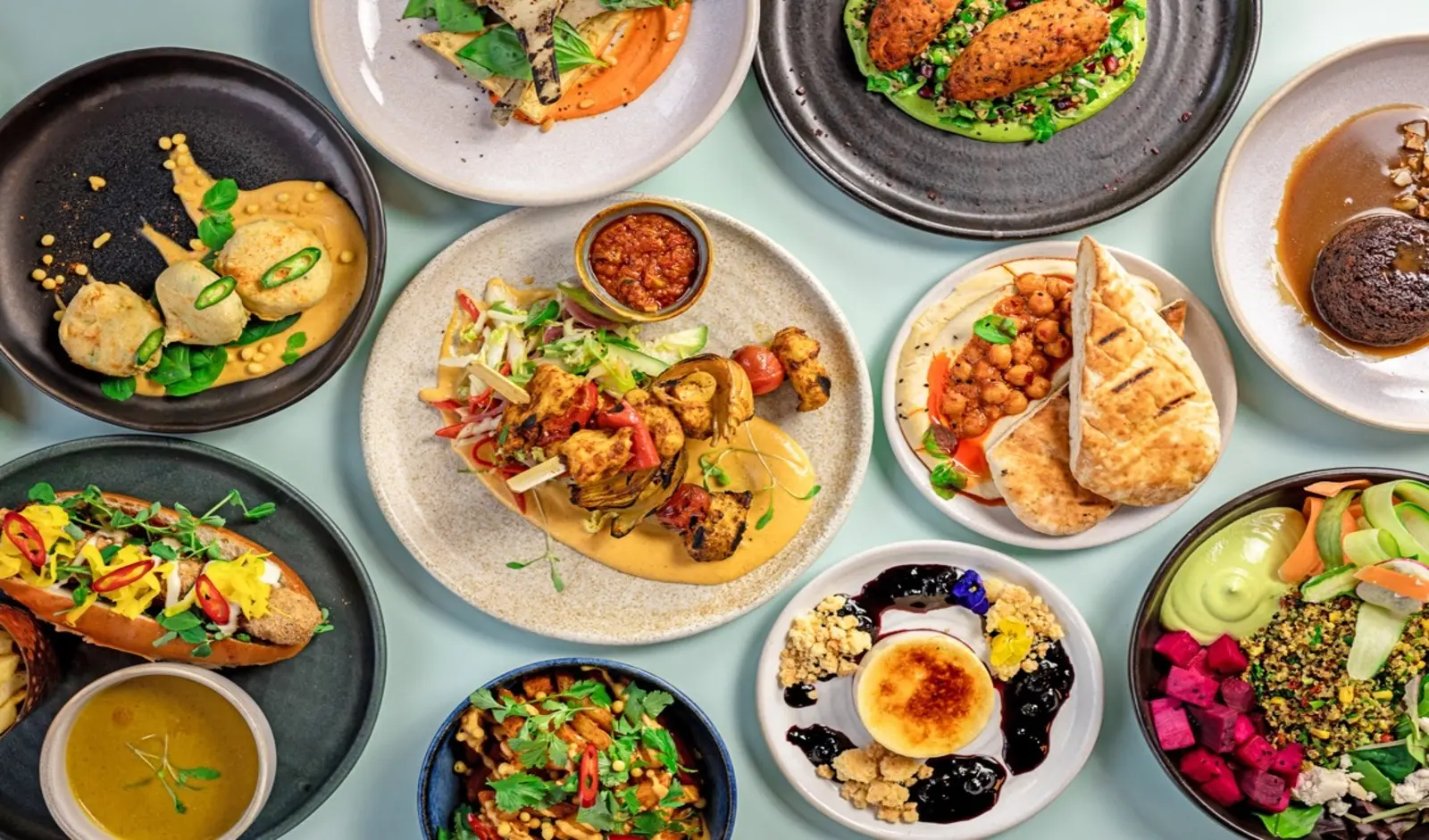
As more people understand the connection between diet and overall well-being, restaurants have expanded their menus to include dishes that feature fresh, seasonal produce and lean meats. Beyond just offering a token salad, many establishments now create dedicated wellness sections within their menus. This provides diners with options that emphasize balanced nutritional profiles, lower calorie counts, and alternatives for various dietary needs such as gluten-free, vegan, and low-carb plans. According to Lemon8, plant-based menu items have surged as restaurants respond to the wellness movement, offering creative dishes that rival traditional favorites in both taste and satisfaction.
Transparency and Ingredient Awareness
The expectation for ingredient transparency has grown, with diners seeking information about how their food is sourced, prepared, and portioned. Restaurants are now making ingredient lists, nutritional information, and allergen warnings readily available on menus, websites, and mobile ordering platforms. This is not simply a trend in upscale or health-centric eateries. It has become a near-universal practice in mainstream casual dining, creating an environment where customers can feel confident and in control of their eating choices. As diners demand greater honesty, restaurants now see transparency as an essential component of customer trust and satisfaction.
Portion Control and Balanced Meals
Modern wellness culture also emphasizes portion control. Restaurants now frequently offer smaller plates or half portions, helping customers avoid overindulgence while still enjoying a variety of menu items. This shift supports balanced nutrition and helps reduce food waste. Allowing customers to customize their meals by portion size or ingredient substitution ensures a better fit between the menu offering and individual health goals.
Portion awareness aligns with broader public health recommendations and helps prevent food-related guilt or regret after dining out, promoting a more positive dining experience.
Integration of Technology
Technology has become a significant enabler of wellness trends in casual dining. Digital menus and mobile ordering platforms now feature advanced filtering options, allowing users to sort dishes by dietary requirements such as low-sodium, dairy-free, or high-protein. Many mobile apps provide comprehensive calorie and micronutrient information for each menu item, while online ordering systems make it easy to modify orders based on food allergies or personal preferences. As outlined by The Washington Post, adopting these technological tools supports greater transparency and customization, catering to a generation of diners who demand control and instant access to information.
Emphasis on Sustainability
Today’s customers are not just focused on their own wellness; environmental well-being is often just as important. The connection between sustainable food practices and overall health is now widely recognized. This cultural shift has led restaurants to source ingredients locally, minimize single-use plastics, and implement energy-efficient kitchen and dining operations. In some regions, partnerships with local farms and sustainable fisheries ensure fresh ingredients while reducing environmental impact.
Adaptation to Consumer Preferences
Casual dining establishments increasingly use direct feedback and market analysis to tailor their offerings to evolving customer preferences. By studying trends such as sales data and diner reviews, restaurants can refine their menus to better serve health-focused customers. For example, establishments that introduce wellness-centric menu sections or create signature healthy dishes often see an uptick in repeat business and customer loyalty.
Tracking consumer demand ensures that casual dining remains relevant amid shifting attitudes toward food and health. The ability to adapt quickly to new preferences is crucial for restaurants aiming to build a lasting relationship with their clientele.
Final Thoughts
Wellness trends have profoundly influenced every part of the casual dining experience, from menu creation and ingredient sourcing to technology and sustainability practices. By focusing on nutrition, transparency, portion control, environmental responsibility, and adaptation to customer feedback, the casual dining industry has positioned itself to meet the needs of a more health-conscious generation. As wellness continues to guide dining decisions, restaurants that stay agile and attentive to consumer demands will maintain their appeal and relevance in a competitive market.