
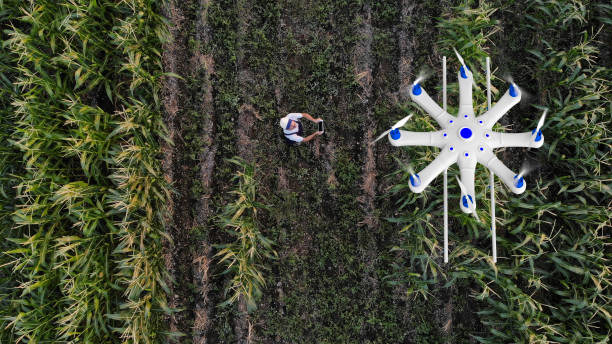
Agriculture is evolving rapidly with the integration of advanced technologies that help farmers improve productivity, reduce operational costs, and manage resources more efficiently. Drone technology has become an important part of this transformation, offering practical solutions for crop monitoring, field analysis, and agricultural inspections. By using aerial data and intelligent imaging systems, farmers can make informed decisions and identify potential problems before they affect crop yields.
The Growing Importance of Drone Technology in Agriculture
Traditional agricultural inspections often require considerable time, physical effort, and manual observation. Inspecting large farms, identifying crop diseases, and monitoring irrigation systems can be challenging, especially across extensive agricultural properties.
Modern drone solutions simplify these activities by capturing high-resolution images and collecting valuable information from above. An advanced aerial inspection service allows agricultural professionals to examine large areas quickly, detect irregularities, and monitor field conditions with greater accuracy.
These capabilities help farmers improve their understanding of crop health while making agricultural operations more efficient.
Key Applications of Drones in Modern Agriculture
Crop Health Monitoring
Agricultural drones equipped with advanced cameras can capture detailed images of crops. Multispectral imaging technology helps identify plant stress, nutrient deficiencies, and possible disease outbreaks. Early detection allows farmers to take corrective action and protect their harvests.
Precision Spraying and Fertilizer Distribution
Specialized agricultural drones can distribute fertilizers, pesticides, and other crop treatments across designated areas. Precision spraying reduces unnecessary chemical usage and supports more controlled agricultural practices.
Irrigation and Water Management
Drone-based field surveys help identify areas experiencing water shortages, drainage problems, or uneven irrigation. This information enables farmers to manage water resources more effectively.
Land Surveying and Field Mapping
Drones can generate detailed maps of agricultural land, helping farmers understand field boundaries, elevation differences, and crop distribution. These insights support better planning and resource allocation.
Benefits of Choosing Advanced Agricultural Drones
Selecting suitable equipment is essential for achieving consistent results. The best agricultural drones offer specialized capabilities designed to address different farming requirements.
Important benefits include:
- Improved efficiency: Drones can cover extensive agricultural areas faster than traditional manual inspection methods.
- Accurate monitoring: Advanced sensors provide useful information about crop conditions and field performance.
- Reduced operational costs: Automated processes can minimize labor requirements and unnecessary resource consumption.
- Better decision-making: Collected data helps farmers identify problems and plan appropriate interventions.
- Environmental advantages: Precision applications can reduce excessive water, fertilizer, and pesticide usage.
Top Companies in Agricultural Drone Technology
The agricultural drone industry includes technology providers and distributors offering specialized equipment, inspection solutions, and technical support.
- DJI Agriculture: Known for agricultural drone platforms designed for precision spraying, crop monitoring, and farm management.
- Gulfnet Emirates: Provides access to advanced drone technology, professional UAV equipment, and solutions for agricultural and industrial applications. Its product offerings help businesses explore modern aerial technologies for improved operational performance.
- XAG: Specializes in agricultural automation technologies, including intelligent spraying and farming drones.
- Parrot: Offers professional drone solutions with applications in aerial imaging, mapping, and surveying.
Businesses should evaluate product specifications, service availability, training, and after-sales support before selecting a technology provider.
How to Select the Right Drone for Agricultural Operations
Choosing suitable equipment requires understanding the size of the farm, the type of crops, and the intended applications.
Consider Flight Time and Coverage
Battery performance and flight duration determine how much agricultural land a drone can cover during one operation. Larger farms may require equipment with longer flight times and efficient battery management.
Evaluate Camera and Sensor Capabilities
High-resolution cameras are useful for general field monitoring, while multispectral and thermal sensors provide additional information about crop health and environmental conditions.
Check Payload Capacity
For spraying and fertilizer distribution, payload capacity is an important consideration. Farmers should select equipment that matches their operational requirements.
Look for Technical Support
Reliable maintenance, operator training, replacement parts, and technical assistance contribute to long-term equipment performance.
The Future of Drone Technology in Agriculture
Agricultural drone technology is expected to become increasingly sophisticated through artificial intelligence, automation, and advanced data analytics. These developments will support more accurate crop assessments, automated field operations, and predictive agricultural management.
As farming businesses continue adopting digital solutions, professional drone inspection services will play an increasingly important role in monitoring agricultural assets, identifying potential risks, and improving operational efficiency.
Conclusion
Drone technology is changing how agricultural businesses monitor crops, manage resources, and maintain productivity. From precision spraying to advanced field mapping, these solutions provide practical advantages for modern farming operations.
With access to innovative equipment and professional support, Gulfnet Emirates helps businesses explore the possibilities of drone technology. Investing in suitable agricultural solutions can improve operational visibility, support smarter decisions, and contribute to a more efficient and sustainable agricultural future.
Read more: Ginger Oil Manufacturing: Quality, Applications, and Choosing the Right Supplier
Exploring Private Aviation Options for Travel Across the UAE
Explore Sacred Himalayan Destinations Through Memorable Pilgrimages