
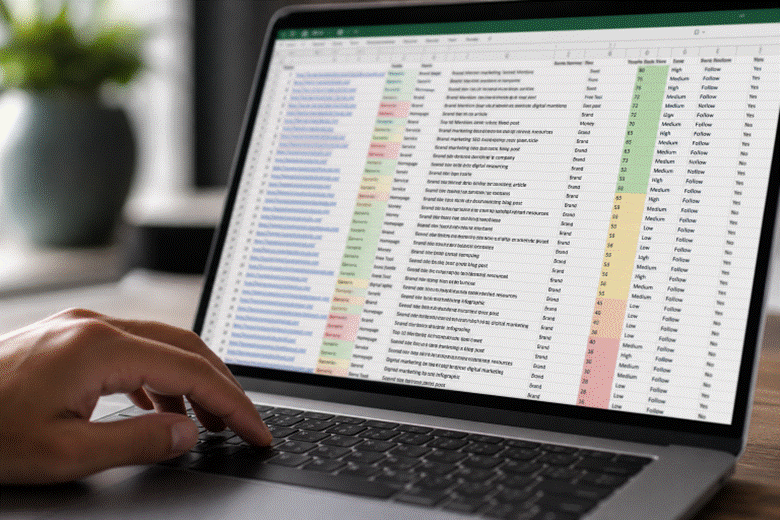
A reliable backlink workflow gives SEO teams a practical way to move from research to reporting without losing quality along the way. Agencies that need behind-the-scenes fulfillment can also consider white label SEO link building from Vazoola, a provider focused on managed backlink campaigns for agencies, including relevant content placements, guest posting, local link building, reporting, and link monitoring.
The goal is not to collect links for their own sake. The goal is to earn placements that make sense for readers, support useful pages, and contribute to a broader search and marketing strategy.
Why a Backlink Workflow Matters
When link building is handled as an occasional task, prospecting, approvals, and reporting often become inconsistent. A defined workflow creates accountability at every stage, from selecting target pages to confirming that a placement remains live. It also helps teams avoid bulk tactics that create little reader value. Content and outreach should reflect the principles in Google’s helpful, reliable, people-first content guidance, with usefulness taking priority over publishing solely for search visibility.
For example, an agency can replace scattered spreadsheets with a shared pipeline: brief, audit, prospect list, outreach, approval, live-link check, and monthly report. Everyone knows what happens next and who owns it.
Set Clear Campaign Goals
Start with the outcome the client needs, not a number such as “20 links this month.” Identify the service, product, or resource that needs visibility, the audience it should reach, and whether the campaign is primarily intended to support rankings, referral traffic, brand exposure, leads, or several goals at once.
Recommended Planning Questions
- Which pages give visitors a genuinely useful next step after they click?
- What organic clicks, impressions, rankings, referrals, and conversions form the baseline?
- What timeline, budget, and approval process are realistic?
Audit the Current Link Profile
Audit existing links before pursuing new ones. Review referring domains, important linking pages, destination URLs, broken or redirected links, duplicate placements, and anchor text patterns. Separate useful, relevant mentions from clearly off-topic or low-value placements, then compare the profile with several search competitors. Third-party metrics can help sort research, but a modest site with an engaged and relevant audience may be a better opportunity than a larger, unrelated domain.
Find Relevant Link Prospects
Build prospect lists around fit. Review competitors’ earned links, industry resource pages, professional associations, suppliers, local organizations, and publications that cover the client’s subject. Other options include broken-link outreach, expert quotes for journalists, original data studies, and audience-focused guest contributions. A short list of qualified contacts is usually more valuable than hundreds of generic names.
Score Each Opportunity
Use a simple high, medium, or low priority score before outreach. Consider topical relevance, real audience activity, editorial quality, page-level fit, clear ownership, outbound-link patterns, and referral potential. This lightweight system helps smaller teams focus effort where it is most likely to benefit the client and makes prioritization easier to explain.
Create Content Worth Linking To
Outreach succeeds more often when the destination page deserves attention. Strong assets solve a specific problem or add information that the publisher cannot easily provide elsewhere. Useful formats include original surveys, step-by-step tutorials, templates, calculators, comparison resources, local data studies, expert interviews, and transparent case studies.
Make each asset easy to cite with clear headings, direct answers, visible data sources, descriptive visuals, and concise explanations. The best linkable content helps a visitor even if it never earns a link.
Run Helpful, Personalized Outreach
Lead with the recipient’s audience, not a request for a backlink. Mention a specific page, explain why the suggested resource fits its readers, and offer a clear contribution such as a replacement reference, data point, expert quote, or original article idea. Keep the message short, then follow up once or twice without pressure.
Automation is useful for reminders, contact records, and status updates. Prospect selection, message personalization, and final editorial review should remain human-led.
Review Links Before Publication
Before approving a placement, read recent content across the site rather than judging a single page. Confirm topical relevance, natural surrounding context, sensible anchor text, and a destination page that helps visitors. Reject copied, manipulative, or unrelated placements, even if the site appears to have strong metrics.
Monitor Live Links and Results
A published link is not the end of the workflow. Check that it remains live and visible where appropriate, then monitor referring-domain relevance, referral sessions, assisted conversions, rankings for target pages, organic impressions, clicks, leads, and sales. Review active campaigns monthly. Avoid claiming one link caused a ranking increase unless the evidence clearly supports it, because SEO outcomes usually reflect multiple efforts.
Scale the Workflow Across Clients
As demand grows, standardize the essentials: campaign briefs, a shared prospect database, approval stages, client-specific rules, reporting templates, and clear ownership for research, writing, outreach, review, and reporting. Agencies may keep work in-house, use specialist support, or combine both models based on workload, expertise, client expectations, and required control.
Common Backlink Workflow Mistakes
- Chasing quotas without checking relevance or destination-page quality.
- Using identical anchor text across too many placements.
- Sending generic outreach to unqualified lists.
- Creating thin content mainly to insert a link.
- Relying on one SEO metric instead of editorial judgment.
- Skipping documentation, approvals, or post-publication checks.
Frequently Asked Questions
How Long Does a Backlink Workflow Take to Set Up?
A basic process can be established quickly, but a mature workflow improves over several campaign cycles. Start with a focused test campaign, document what works, and refine the process using actual results.
How Many Backlinks Should a Campaign Build Each Month?
There is no universal number. The right pace depends on competition, site quality, content assets, realistic opportunities, and the natural rhythm of outreach.
Are Guest Posts Still Useful in 2026?
Yes, when contributions are original, relevant, and written for a real audience. Thin articles created only to place links are not a sustainable strategy.
What Makes a Backlink High Quality?
High-quality links are relevant, editorially appropriate, useful to readers, surrounded by helpful content, and connected naturally to a destination page that fulfills the visitor’s need.
Conclusion
Reliable backlink growth comes from a repeatable system built on relevance, useful content, careful review, and honest measurement. A clear workflow helps SEO teams work faster while protecting standards, making it easier to scale what genuinely earns attention from people first.
Read more: https://meanzspot.com/how-to-sell-a-house-fast-for-a-fair-price/
https://meanzspot.com/how-semantic-search-helps-ai-agents-find-better-information/