
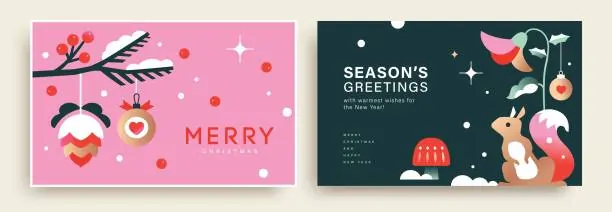
Despite the dominance of smartphones and social media, thoughtfully designed cards remain powerful tools for connection. Whether it’s a heartfelt thank-you note, a beautifully composed holiday greeting, or an eye-catching promotional card for a business event, the impact of a well-crafted card can be profound. Cards have a unique ability to communicate intention and care — something that feels increasingly rare in a world dominated by quick texts and fleeting feeds.
But creating cards that feel personal, relevant, and visually striking can be challenging. What once required professional design skills now benefits from tools that help bridge creativity and accessibility. When people don’t have to struggle with complex layouts or guess which fonts pair well together, they can focus on the message and sentiment they want to convey.
Thankfully, modern platforms simplify this process dramatically. For example, when you want to create custom cards quickly and professionally — whether for personal or business use — tools like card designs make the visual side of communication intuitive and enjoyable. Instead of struggling with technical details, you can let your message shine.
The Enduring Appeal of Cards in a Digital World
It might seem counterintuitive that physical or digital cards still resonate in our high-tech era, but their appeal rests on something very human: connection. Cards are curated expressions of thought, chosen or designed with a specific recipient in mind. That intention elevates them above generic messages or mass-produced templates.
A well-designed card can:
- Convey emotion more effectively than text alone
- Strengthen personal and professional relationships
- Serve as a memorable keepsake or visual reminder
- Enhance branding through consistent visual identity
Whether printed, mailed, or shared digitally, a card reflects care. People may delete an email or scroll past a post, but they tend to cherish a thoughtful card — especially if its design supports the sentiment.
What Makes a Card Feel Well Designed
Good card design isn’t just about pretty pictures or vibrant colors. It’s about coherence, clarity, and context. Several elements contribute to exceptional results:
Visual Hierarchy and Focus
Your message should guide the viewer’s eye naturally. Headlines, images, and call-to-action elements need clear order so that nothing feels competing or chaotic.
Appropriate Imagery and Style
The choice of imagery — whether illustrations, photography, or graphics — should reflect the tone of the card. A whimsical illustration might suit a birthday card, while minimalist photography might fit a more formal announcement.
Typography That Enhances the Message
Fonts carry emotional weight. Elegant handwritten scripts evoke warmth, while clean sans-serifs communicate modern simplicity. Pairing fonts thoughtfully makes text more legible and visually pleasing.
Balance and Spacing
Whitespace isn’t empty. It’s breathing room that helps content feel intentional. Interfaces that handle spacing for you save time and improve outcomes automatically.
Color Harmony
Colors set mood. A subtle palette can feel calming or sophisticated, while bold contrasts grab immediate attention. Harmony in color choices reinforces mood and meaning.
These design elements work together to support the sentiment behind the card — making it not just readable, but felt.
Real-World Uses for Custom Cards
The beauty of custom card creation is its versatility. Cards can play roles in many personal and professional contexts:
1. Personal Celebrations
Birthdays, anniversaries, weddings, and holidays all benefit from personalized cards that reflect individual relationships. Tailored visuals make these moments feel more heartfelt.
2. Professional Greetings and Thank-Yous
In business, a well-designed card can reinforce partnerships, thank clients, or commemorate milestones. Branding carried through card visuals enhances credibility and warmth.
3. Promotional Messages
Cards aren’t limited to greetings. Promotional cards — whether for product launches, store events, or service announcements — communicate professionalism and invite engagement without feeling like intrusive advertising.
4. Community and Nonprofit Events
Announcements for fundraisers, volunteer appreciation, and community gatherings feel more inviting when supported by thoughtful design that aligns with values and mission.
Across these scenarios, card design becomes a tool for making messages feel more intentional and memorable.
How to Make Your Cards Feel Personal (Even at Scale)
One of the challenges of card creation is balancing personalization with efficiency — especially when creating multiple cards for a campaign or seasonal greeting list. Here are some practical tips:
Start With the Recipient in Mind
Think about who will receive the card and what they’d appreciate. A personal touch — even something small like a handwritten note or a tailored message — goes a long way.
Choose Themes That Match Purpose
Holiday motifs for seasonal cards, sleek minimalism for professional greetings, and vibrant colors for celebrations help set the right tone instantly.
Use Consistent Branding for Business
In professional contexts, using brand colors, logos, and consistent typography reinforces identity and increases recognition over time.
Leverage Templates Thoughtfully
Templates can be starting points, but customization ensures cards don’t feel generic. Adjust colors, text, and imagery to suit your message.
Review on Multiple Devices
If cards will be shared digitally, preview them on mobile and desktop to ensure layouts and text look balanced across screens.
Combining intention with smart design choices leads to cards that feel crafted instead of assembled.
The Emotional Impact of Thoughtful Design
Design isn’t decoration — it’s communication. Visual harmony reduces friction and makes messages feel cared for. When a card looks intentional and clear, recipients interpret that effort as respect. In personal relationships, that builds connection. In professional ones, it builds trust.
Cards have an emotional resonance that goes beyond their face value. They say, “I noticed you,” or “This moment matters.” When design supports that message rather than distracting from it, the impact deepens naturally.
Conclusion
Even in a fast-paced digital era, beautifully designed cards remain meaningful. They combine clarity and emotion in a format that invites attention rather than demanding it. When creativity meets thoughtful structure, your message lands with greater warmth and purpose.
Card creation doesn’t need to be painful or technical. With tools that handle the heavy design thinking for you, the focus shifts back to meaning and connection — where it always should be.
Cards aren’t just a visual format. They’re a way of saying, “This matters.” If you want, I can write variations of this article for specific audiences (business, social media, personal events, etc.). Just let me know!
Read more: A Trusted Home Improvement Store in Brooklyn for Every Project
The Art and Wisdom of Creating Memorable Box Packaging Designs