
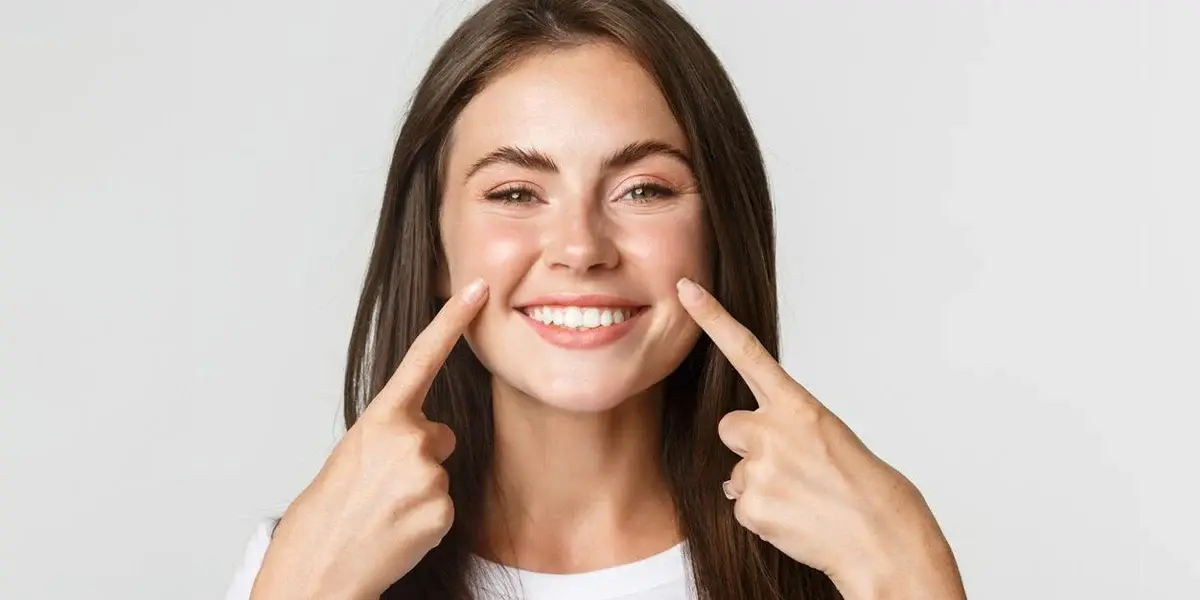
You have seven seconds to make a first impression. In that time, before you even speak, someone has assessed your confidence and trustworthiness. Research suggests one feature dominates this rapid assessment: your smile. It’s a universal sign of openness. A great smile can influence how successful, attractive, and intelligent others perceive you to be, giving you an advantage in life.
The Psychology of Perception and the “Halo Effect”
The connection between a smile and a positive first impression is rooted in a psychological phenomenon known as the “Halo Effect.” This is a cognitive bias where one positive trait—in this case, a warm, engaging smile—influences our perception of a person’s other traits.
When we see someone smiling, our brains often take a mental shortcut. We subconsciously assume that because this person looks happy and friendly, they must also be intelligent, kind, and honest. This bias is incredibly difficult to override. Even if we logically know that appearance doesn’t equal competence, our subconscious mind prefers the easy association.
The Social Exchange
Smiling also triggers a reciprocal reaction. When you smile at someone, their mirror neurons fire, often prompting them to smile back. This creates an immediate feedback loop of positive emotion. By initiating a smile, you aren’t just presenting yourself well; you are actively improving the mood of the person you are interacting with. This shared moment of positivity makes the interaction more memorable and establishes a foundation of rapport that can be crucial in high-stakes environments like sales or leadership.
How Smiles Influence Attractiveness and Trust
The aesthetic quality of a smile—specifically the color and straightness of teeth—plays a significant role in social ranking and mating preferences. While this might sound superficial, it has biological underpinnings.
Anthropologists suggest that teeth have historically served as a “peacock’s tail” for humans. Straight, white teeth are indicators of health and genetic fitness. In our ancestral past, poor dental health could be a sign of disease or malnutrition. Today, while we have modern medicine, those primal indicators still influence who we find attractive.
The Trust Factor
In professional settings, trust is the currency of success. Adults believe a smile is the most memorable feature after meeting someone for the first time. Perhaps more telling, the same belief indicated that people with flawed smiles were viewed as less attractive and less confident.
When a smile appears neglected, it can subconsciously signal a lack of attention to detail or self-care. On the other hand, a well-maintained smile projects discipline and self-respect. If you take care of yourself, the logic goes, you are likely to take care of your business responsibilities with the same level of diligence.
The Science of Sincerity: Genuine vs. Forced Smiles
Not all smiles are created equal. You have likely experienced a moment where someone smiled at you, but it felt “off” or insincere. You were probably detecting the absence of the Duchenne marker.
A genuine smile, known as a Duchenne smile, involves the involuntary contraction of two major muscle groups: the zygomaticus major (which pulls the corners of your mouth up) and the orbicularis oculi (which raises the cheeks and creates crow’s feet around the eyes).
Spotting the Fake
A “social” or forced smile typically only engages the mouth muscles. It is the smile you might use when you are trying to be polite to a rude customer or posing for a bad school photo. The crucial difference lies in the eyes. If the eyes aren’t involved, the smile can be perceived as masking a different emotion, such as discomfort or deceit.
Using a forced smile during a first impression can actually backfire. Humans are surprisingly adept lie detectors. If your smile is perceived as manipulative or fake, it triggers distrust. To make a positive impact, your smile needs to stem from genuine engagement. Focusing on the person you are meeting and finding a reason to be happy about the interaction is the best way to ensure your smile reaches your eyes.
Tips for Improving Your Smile
Given the weight a smile carries in social interactions, investing in its appearance and health is a logical step toward improving your personal brand. You don’t need Hollywood perfection to make a good impression, but you do need to show that you care.
Here are several ways to ensure your smile is working for you, not against you:
Master the Basics of Oral Hygiene
It sounds obvious, but the foundation of a great smile is health. Brushing twice a day is the bare minimum. Flossing is non-negotiable if you want to avoid puffy, red gums (gingivitis), which are an immediate red flag during face-to-face conversations.
Bad breath (halitosis) is the quickest way to ruin a great visual impression. Regular tongue scraping and staying hydrated can help mitigate this. Regular cleanings at the dentist also remove tartar buildup that brushing misses, keeping your smile looking fresh and polished.
Watch Your Diet
Your teeth are porous and absorb pigments from what you eat and drink. If you are a heavy consumer of coffee, tea, red wine, or dark berries, your enamel is likely stained. You don’t have to give up your morning latte, but rinsing your mouth with water immediately after drinking can help neutralize acids and wash away pigments before they settle.
Consider Cosmetic Solutions
If you are self-conscious about your teeth, that insecurity will translate into your behavior. You might smile less, cover your mouth when you laugh, or speak with a tight lip. This can be interpreted by others as being standoffish or lacking confidence.
Modern dentistry offers various tiers of improvement:
- Whitening: Professional bleaching is a quick way to turn back the clock on aging or stained teeth.
- Straightening: Clear aligners have made it easier for adults to straighten teeth without the “metal mouth” look of traditional braces.
- Restoration: For structural issues like chipped, cracked, or severely discolored teeth, cosmetic dentistry offers more permanent solutions. Veneers, such as those offered in Eagle River, are thin shells custom-made to cover the front surface of teeth, providing an instant transformation that looks natural and healthy.
Practice Your “Resting” Face
Some people have a natural resting face that looks stern or unhappy. This can deter people from approaching you. While you shouldn’t walk around grinning like a Cheshire cat, practicing a “soft” face—relaxing your jaw and keeping a hint of a smile in your eyes—can make you appear more accessible even when you aren’t actively smiling.
Conclusion
The most important part of your smile is the confidence behind it. When you feel good about your smile, you use it more often. This creates a cycle of positive interactions, opening doors in your career and relationships. Your smile is a powerful tool that builds trust and bridges gaps without a single word. By prioritizing dental health, you unlock the power of a genuine grin.
Also Read-Why is Student Interest in Tech High?