
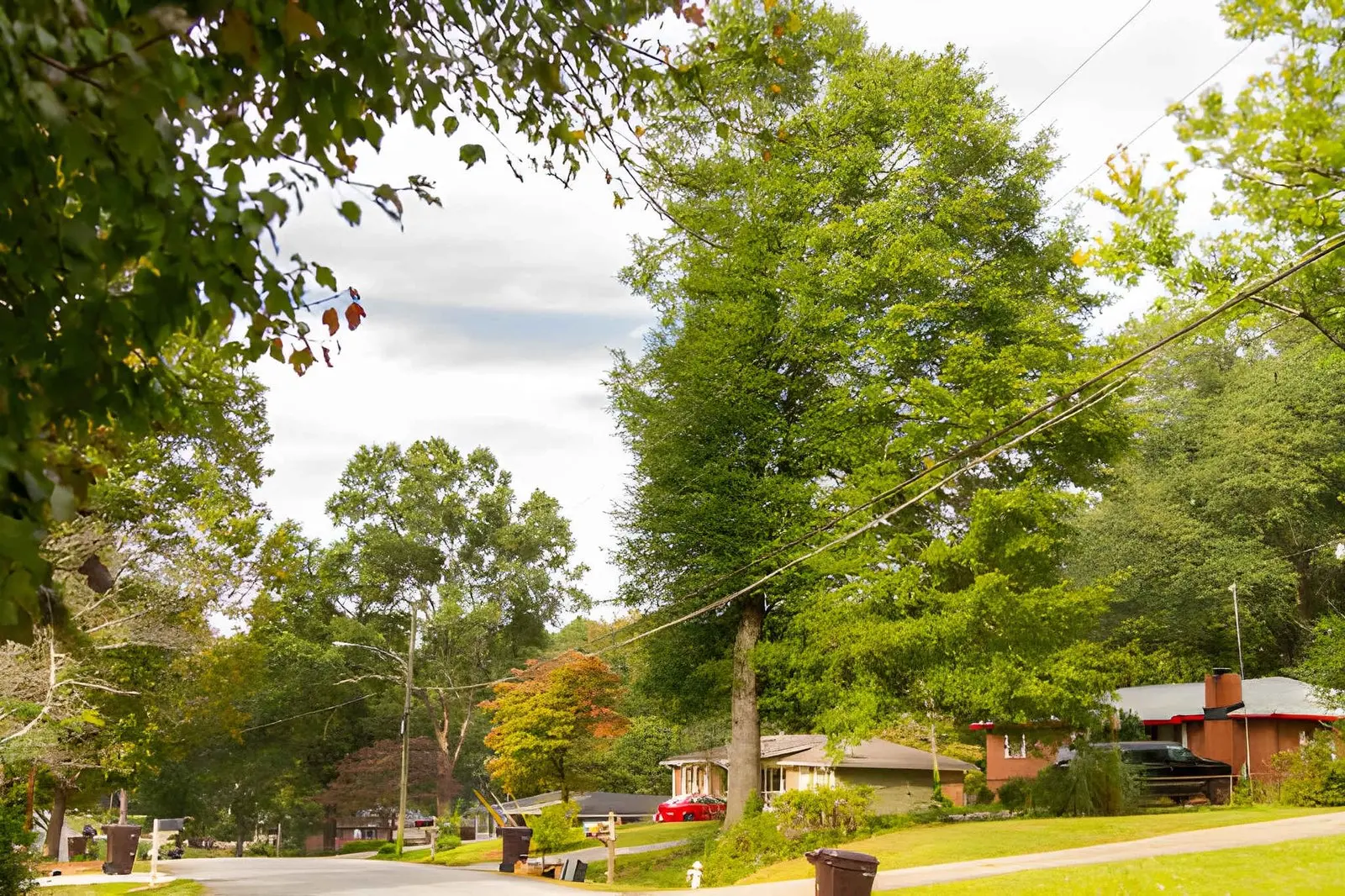
Maintaining healthy trees in urban environments like Hall County, Georgia, requires a proactive, thoughtful approach. Modern urban development, construction activity, soil compaction, and pollution can all impact the health of local trees. By caring for trees effectively, residents not only enhance their homes’ curb appeal and value but also help regulate temperatures, improve air quality, and create more inviting outdoor spaces. In addition, thriving urban trees provide essential habitat for local wildlife and benefit the environment. For tasks that require expertise or when tree safety is a concern, consider consulting Hall County tree removal specialists, such as McKay Tree Service. With over 11 years of industry experience, McKay Tree Service offers a comprehensive menu of services, including tree removal, pruning, stump grinding, and emergency storm response, ensuring your trees receive knowledgeable, efficient care tailored to the Hall County climate and landscape.
Regular Tree Inspections
Conducting periodic self-surveys of your trees is essential in detecting early warning signs before small issues escalate into costly problems. A good practice is to keep a seasonal photo log and pay close attention to any changes, such as leaf discoloration, premature leaf drop, unusual wilting, or signs of fungus or insect activity. Spotting these symptoms early can prevent the spread of disease and infestation. Regular observations can also help your trees withstand severe Georgia storms, lowering potential property damage and even helping reduce your household energy use by maintaining healthy shade. Early intervention allows you to address pruning needs, soil compaction, or root issues in a timely manner.
Proper Planting Techniques
Introducing new trees into your landscape is more successful with careful planning. The following steps are especially important in Hall County:
- Choose the Right Species: Opt for species that thrive in Georgia’s climate and adapt well to the urban soil conditions common in Hall County. Native selections like oak, maple, or dogwood usually perform best, offering resilience to local pests and weather patterns.
- Plant at the Right Depth: Position the tree so the root flare sits at ground level. Planting too deep can suffocate roots and cause root rot, while planting too shallow exposes roots to drought stress and mechanical injury.
- Mulch Appropriately: Apply a 2-4-inch layer of mulch, ensuring it’s evenly distributed, and set it back a few inches from the trunk to minimize decay and pest problems. Mulch helps retain soil moisture, keep root temperatures steady, and restrain weed competition.
Proper establishment from the outset can add decades to a tree’s lifespan while minimizing future maintenance needs.
Engaging Certified Arborists
Some tree care tasks require specialized knowledge, especially when the work involves large, mature trees, dangerous limbs, or potential disease. By hiring certified arborists, you ensure that highly trained professionals with experience in tree biology, structural assessment, and safe removal techniques are overseeing your landscape’s care. Hall County has invested in training local city and county staff as certified arborists, which means residents now have greater access to skilled tree assessments and guidance on healthy urban forest management. These experts understand how to evaluate risk, create targeted care plans, and intervene safely when serious problems are detected.
Community Involvement
Participating in local tree-related events not only helps individual homeowners but can have a broader, positive impact on the community. For example, Hall County’s annual free Christmas tree recycling program transforms discarded holiday trees into mulch, which is then made available to residents. This reduces landfill waste and encourages sustainable landscaping around the county. In addition, local planting events, workshops, and tree giveaways help educate the public, foster a sense of stewardship, and beautify neighborhoods together. These initiatives also serve as great networking opportunities for residents interested in sharing gardening tips, volunteering, and learning more about urban forestry best practices.
Watering and Fertilization
Maintaining consistent moisture is essential during a tree’s initial two years when roots develop. Deep watering once a week, around 10-15 gallons for smaller root balls, encourages healthy root growth. Mature trees require less water but still benefit from watering during droughts or hot periods. Always test the soil before fertilizing; excessive fertilization can lead to weak growth and pest problems, whereas targeted fertilization supports strong roots and foliage. Review and adjust fertilization annually based on the tree’s response and soil nutrient levels.
Storm Preparedness
Urban trees must withstand strong southern storms, wind, and heavy rainfall. Regularly pruning dead or structurally weak branches limits the risk of breakage during storms and helps the tree better resist wind forces. Make sure your trees are growing upright; trees that lean excessively may suffer root damage or pose hazards. After weather events, walk your yard to inspect for split limbs, exposed roots, or hanging branches. Do not attempt to remove hazardous limbs yourself if power lines are involved; always call a professional. Proactive care before and after storms will help preserve tree health, maintain property safety, and prolong the life and structural integrity of your landscape’s biggest assets.
Pruning and Maintenance
Thoughtful pruning helps keep trees attractive and structurally sound as they grow. During the first five years, structural pruning should focus on selecting a central leader, removing competing stems, and spacing main branches to promote balanced growth. Also, remove dead, crossing, or damaged branches. Be cautious with interior pruning, or “lion-tailing,” as it can lead to weak, top-heavy trees vulnerable to wind damage. Avoid topping trees entirely, as it results in unhealthy regrowth and shortens their lifespan. Regular maintenance and proper pruning can extend shade, reduce hazards, and boost resistance to pests and diseases.
Frequently Asked Questions
How often should I inspect my trees?
Inspect your trees twice a year, in spring and fall, to catch abnormalities during leaf and seasonal changes. Look for bark texture, leaf size, pest signs, and structural issues. After storms, check for damage or weaknesses.
Can I plant trees close to my house?
Plant trees near your home for shade and lower cooling bills, but keep them sufficiently far from structures, driveways, and sidewalks to prevent root damage and promote healthy growth. Larger species should be placed 20-30 feet from foundations, while smaller trees can be placed closer, depending on their mature size and root systems.
What are the benefits of mulching?
Mulching is an inexpensive and effective method for tree care that helps conserve soil moisture, regulate temperature, suppress weeds, and improve soil quality as it breaks down. Be sure to avoid piling mulch directly against the trunk to prevent bark decay, pests, and fungi.
Conclusion
By adopting these smart tree care strategies and working together as a community, residents of Hall County can enjoy all the benefits that robust urban trees provide—from boosting property value and cooling their neighborhoods, to purifying the air and offering beautiful outdoor spaces for generations to come.
Also Read-Smart Home Healing After Surgery: Tools, Tech And Gentle Support