
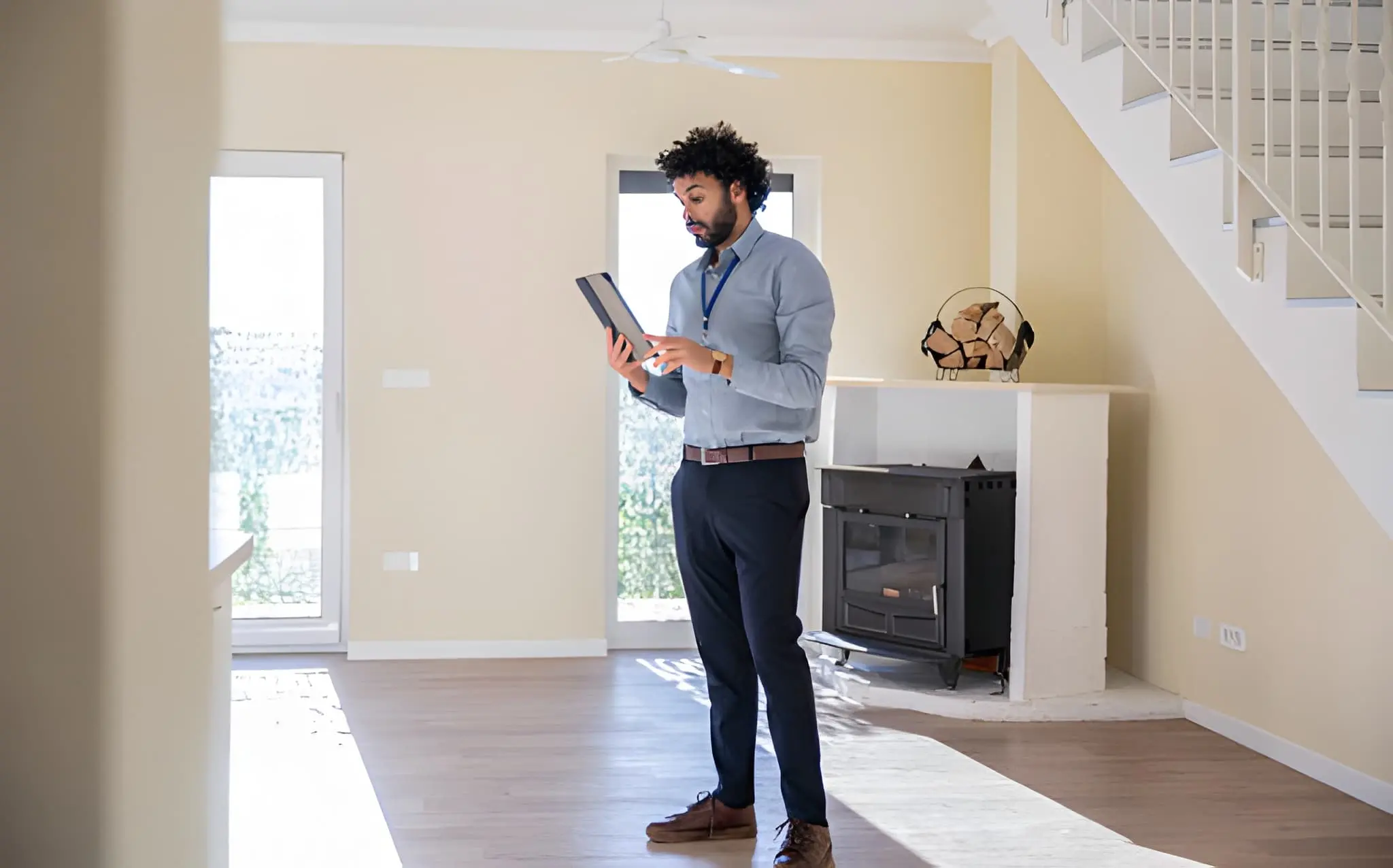
Property inspections are essential for landlords and tenants to protect the property, address maintenance issues early, and maintain transparency. Proper inspections can prevent costly disputes, while neglecting them can lead to financial and legal problems. This guide outlines the types of inspections, key focus areas, and best practices to safeguard investments and ensure a positive rental experience.
The Different Types of Property Inspections
Property inspections aren’t a one-time event. They occur at key stages of a tenancy, each serving a distinct purpose. Understanding the role of each inspection is the first step toward effective property management.
Move-In Inspection
Conducted before the tenant moves in, this is arguably the most important inspection. It involves a thorough walkthrough of the property with the tenant to document its condition. The resulting report, often accompanied by photos or videos, serves as the baseline for the entire tenancy. It protects the tenant from being blamed for pre-existing damage and gives the landlord a clear record of the property’s initial state.
Routine Inspections
These inspections happen periodically during the tenancy, typically every three to six months. The primary goals are to check for any needed repairs, ensure the tenant is complying with the lease agreement (e.g., no unauthorized pets or residents), and confirm the property is being well-maintained. Routine inspections are proactive, helping to catch minor issues before they become major problems.
Move-Out Inspection
Also known as the final inspection, this occurs when the tenant vacates the property. The landlord compares the property’s current condition to the move-in report. This comparison is used to identify any new damage beyond normal wear and tear, which can then be deducted from the tenant’s security deposit. A detailed move-out inspection is essential for a fair and legally sound security deposit return process.
How to Conduct a Move-In Inspection
A successful tenancy starts with a thorough move-in inspection. This process sets the standard for communication and care for the property.
Preparing for the Inspection
Before the tenant arrives, ensure the property is clean and ready. All utilities should be on so you can test appliances, lights, and plumbing. Have your inspection checklist or app ready. This document should be comprehensive, covering every room and feature of the property.
What to Look For
Walk through the property room by room, documenting the condition of every element. Pay close attention to:
- Walls and Ceilings: Note any scratches, scuffs, holes, or water stains.
- Flooring: Look for stains on carpets, scratches on hardwood, or cracked tiles.
- Doors and Windows: Check that they open, close, and lock properly. Inspect for cracked glass or damaged screens.
- Appliances: Test all provided appliances (refrigerator, stove, dishwasher, etc.) to ensure they are in working order.
- Plumbing: Run faucets and flush toilets to check for leaks or clogs. Look under sinks for any signs of water damage.
- Electrical: Test all light fixtures and outlets.
Documenting Everything
Use a detailed checklist and take extensive photos or videos. Digital tools can be especially helpful here, allowing you to embed photos directly into your report and have both landlord and tenant sign electronically. Once the inspection is complete, both parties should sign the report, and each should receive a copy. This document is your most important piece of evidence if a dispute arises later.
Best Practices for Routine Inspections
Routine inspections are a delicate balance. You need to protect your investment without making your tenants feel like their privacy is being invaded.
Communication is Key
Always provide proper notice as required by state and local laws, typically at least 24 hours. Explain the purpose of the inspection—that it’s a standard check to ensure everything is in good working order. A friendly and professional approach can make a big difference in how the inspection is received.
What to Check During a Routine Visit
Focus on maintenance and safety issues. Look for:
- Leaks under sinks, around toilets, or on ceilings.
- Functioning smoke and carbon monoxide detectors.
- Signs of pests.
- Any unauthorized alterations or pets.
- General cleanliness and upkeep.
This is not the time to critique your tenant’s decorating style or tidiness. The focus should be on the health of the property and compliance with the lease. Document any issues with photos and discuss any necessary repairs with the tenant.
Conducting a Fair Move-Out Inspection
The move-out inspection determines how the security deposit will be handled. Fairness and documentation are crucial to avoid disputes.
Comparing to the Move-In Report
The move-in inspection report is your guide. Go through the property with the report in hand, comparing the current condition to the initial state. The tenant has the right to be present for this inspection, and it’s often a good idea to conduct it together to discuss any findings in real-time.
Differentiating Damage from Wear and Tear
This is often the most contentious part of the process. “Normal wear and tear” refers to the expected decline in a property’s condition from everyday use. Examples include minor scuffs on walls, faded paint, or lightly worn carpets.
“Damage,” on the other hand, is caused by negligence, abuse, or accidents. This includes large holes in the wall, broken tiles, pet stains on the carpet, or broken appliances due to misuse. You can legally deduct the cost of repairing damage from the security deposit, but not the cost of addressing normal wear and tear.
Legal Rights and Responsibilities
Landlords and tenants both have rights and responsibilities when it comes to inspections.
- Landlord’s Right to Enter: Landlords have the right to enter their property for inspections, repairs, and showings, but they must provide reasonable notice as defined by law.
- Tenant’s Right to Quiet Enjoyment: Tenants have the right to live in their home without unreasonable disturbances. This means inspections should be conducted at reasonable times and not be excessively frequent.
Familiarize yourself with your state and local landlord-tenant laws to ensure you are always in compliance. For those in Utah, for example, working with experienced property management companies in Salt Lake City can help ensure all legal requirements are met.
Streamlining Your Inspection Process
Technology can make property inspections far more efficient and accurate.
- Inspection Apps: Apps like Zillow Rental Manager, Rentec Direct, or Property Meld allow you to use digital checklists, embed photos, and generate professional reports that can be signed and shared electronically.
- 360-Degree Cameras: For move-in inspections, a 360-degree camera can create a comprehensive virtual record of the property’s condition, leaving little room for dispute.
A standardized process is also key. Using the same detailed checklist for every move-in, routine, and move-out inspection ensures consistency and thoroughness across all your properties.
Conclusion
Thorough and respectful property inspections are a cornerstone of successful landlording. They are not about catching tenants out; they are about maintaining the value of your asset, ensuring a safe living environment, and fostering a relationship built on transparency and trust.
Also Read