
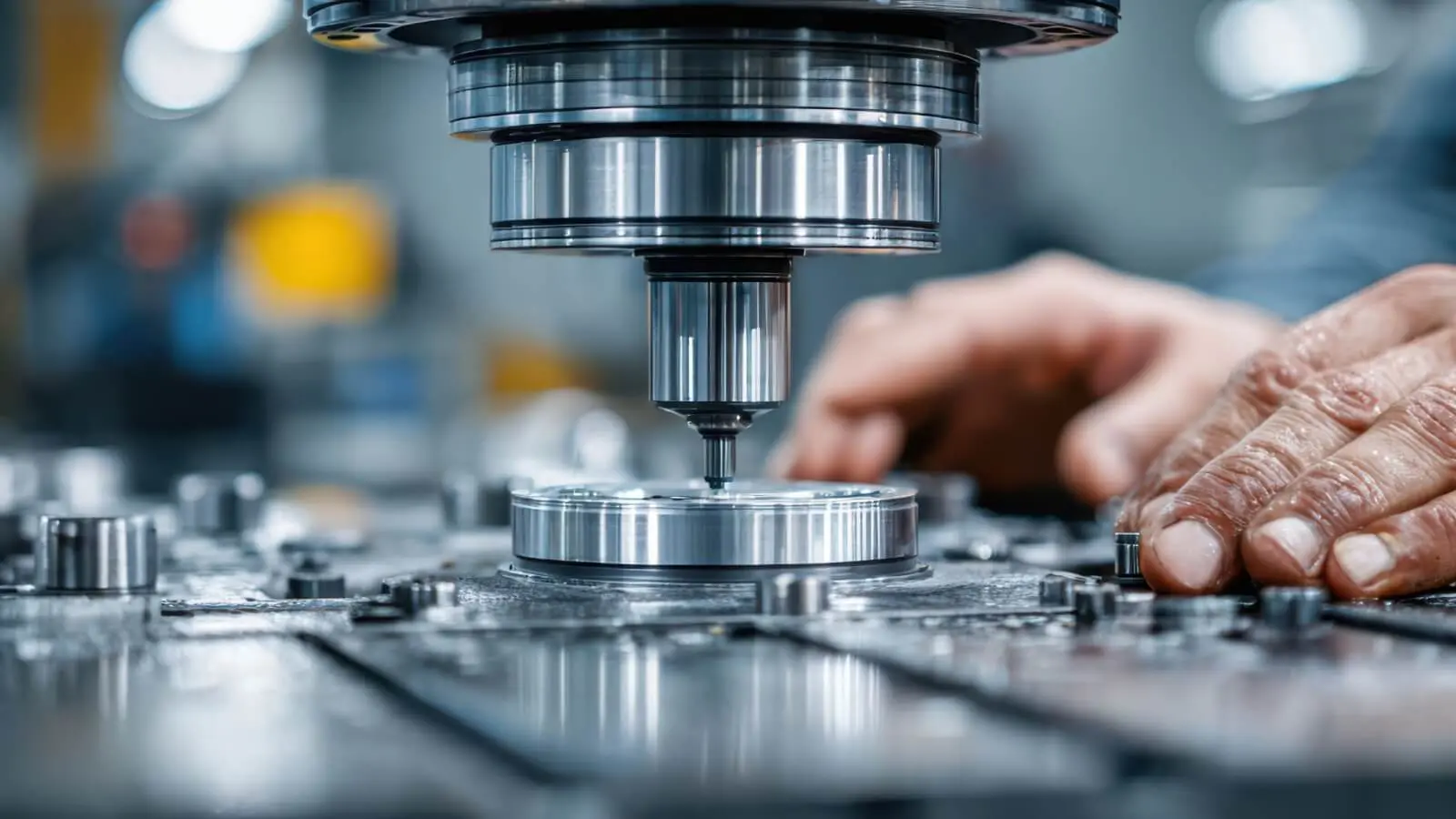
In industries where public safety and product purity are paramount, “good enough” is simply not an option. For facilities operating under strict regulatory oversight—such as pharmaceutical plants, food processing centers, and aerospace manufacturing—the infrastructure holding the operation together is just as critical as the product itself. This is where precision fabrication moves from a manufacturing preference to an absolute necessity.
Standard metalwork might suffice for a warehouse shelf or a general-purpose workbench. However, when you enter a cleanroom or a high-care food zone, the rules change entirely. Precision fabrication ensures that equipment, piping, and structural components meet rigorous standards designed to prevent contamination, ensure worker safety, and withstand aggressive cleaning protocols. It is the invisible shield that protects a company from recalls, legal action, and reputation damage.
Defining the Compliance-Driven Landscape
A compliance-driven facility operates under the watchful eye of regulatory bodies like the FDA, USDA, or FAA. In these environments, every variable must be controlled. A microscopic scratch on a stainless steel table isn’t just a cosmetic blemish; in a pharmaceutical lab, it is a potential harbor for bacteria that could compromise an entire batch of life-saving medicine.
The stakes are financial as well as ethical. A failure in hygiene or structural integrity can lead to production shutdowns costing millions of dollars a day. Precision fabrication mitigates these risks by adhering to specific design principles that prioritize hygiene, durability, and traceability.
The Principles of Sanitary Design
At the heart of precision fabrication for these sectors is the concept of sanitary design. The goal is to create surfaces and structures that are incapable of harboring pathogens or contaminants. This requires a holistic approach to how metal is cut, bent, joined, and finished.
Fabricators must ensure that there are no sharp corners or “dead legs” in piping systems where fluid can stagnate. Designs often feature rounded corners and sloped surfaces to ensure proper drainage. If liquid pools anywhere on a piece of equipment, it becomes a breeding ground for microbial growth.
This is particularly vital when considering welding in food industry contexts. Unlike structural welding for a building frame, sanitary welding requires a level of finesse that leaves the metal completely smooth. A rough weld bead can trap food particles, resisting even the most high-pressure washdowns. Precision fabricators use techniques like TIG welding (Tungsten Inert Gas) to create seamless joins that are as smooth as the base metal itself, eliminating the risk of cross-contamination.
Material Selection and Surface Finishing
Precision starts before the first cut is made. Selecting the right material is the foundation of compliance. For most high-hygiene facilities, 300-series stainless steel (specifically 304 and 316 grades) is the standard. These alloys offer excellent resistance to corrosion and oxidation.
However, the material alone isn’t enough. The environment in a food plant or a chemical processing facility is harsh. Equipment is subjected to caustic cleaning agents, high-pressure steam, and extreme temperature fluctuations daily. If the fabrication quality is poor, these stressors will cause pitting and corrosion over time.
Surface finish is equally critical. In the fabrication world, roughness is measured in Ra (Roughness Average). Compliance-driven facilities often require specific Ra values to ensure “cleanability.” Precision fabricators mechanically polish or electropolish stainless steel to achieve a mirror-like finish. This microscopic smoothness prevents biofilms from adhering to the surface, allowing cleaning teams to sanitize the facility effectively and efficiently.
Traceability and Documentation
In a standard machine shop, the job ends when the part is delivered. In compliance-driven fabrication, the paperwork is just as important as the steel. Regulatory audits require absolute transparency. If a pipe fails, investigators need to know exactly where that metal came from and who welded it.
Precision fabrication partners provide comprehensive documentation packages. These typically include:
- Material Test Reports (MTRs): Proof of the chemical composition of the metal used, ensuring it meets the required grade.
- Weld Maps and Logs: Detailed records of which welder performed which join, often tailored to specific certified procedures.
- Surface Finish Certificates: Verification that the equipment meets the required roughness standards.
This level of accountability ensures that if an audit occurs, the facility manager can prove that their infrastructure meets all necessary codes and standards.
The Human Element of Precision
While automation and robotics play a role in modern manufacturing, precision fabrication for complex, custom facilities relies heavily on human expertise. Certified welders and fabricators act as the final line of defense against non-compliance.
These craftsmen understand the nuance of heat input—too much heat can warp the metal or alter its corrosion-resistant properties; too little results in a weak bond. They understand how to read complex blueprints that dictate strict tolerances. When a facility requires a custom hopper or a specialized conveyor system that fits into a tight space without compromising workflow, it is the skill of the fabricator that makes it possible.
Investing in Long-Term Integrity
Building or upgrading a compliance-driven facility is a significant investment. It can be tempting to look for cost savings in the fabrication budget, but this is often a false economy. Cheaply fabricated equipment will eventually fail, corrode, or be flagged during an inspection. The cost of retrofitting a facility because the initial fabrication didn’t meet sanitary standards dwarfs the cost of doing it right the first time.
Precision fabrication provides peace of mind. It ensures that the physical environment supports the rigorous protocols of the industry rather than working against them. By prioritizing sanitary design, correct material selection, and expert craftsmanship, facility managers build a foundation for safety, efficiency, and unwavering compliance.
Also Read-Smart Home Healing After Surgery: Tools, Tech And Gentle Support