
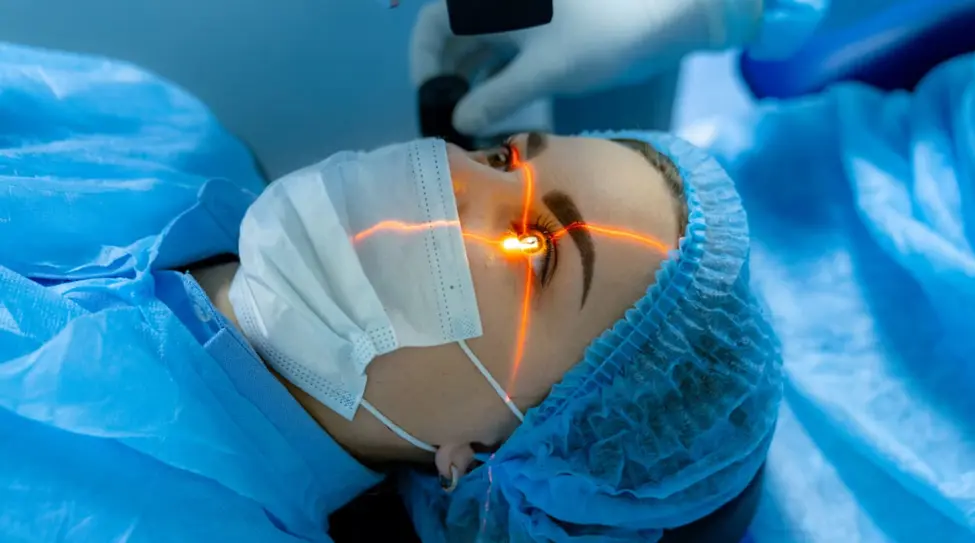
Laser-Assisted In Situ Keratomileusis, shortened to “LASIK” is an eye surgery that is becoming increasingly popular. It is now one of the most common methods for reshaping the cornea to improve the focus of light on the retina. This simple refractive surgery can eliminate, or at least, reduce dependence on lenses – glasses and contacts.
This eye treatment option is most popular in cities like New Jersey, where it has basically revolutionized eye treatment for residents. This includes students, professionals, and even the elderly.
In this article, we shall examine LASIK, its effectiveness, and how it is helping improve the quality of lives of folks in NJ. We shall also look at its limitations, risk factors and eligibility so you can have the information you need to get LASIK surgery in New Jersey.
What is LASIK?
LASIK is a type of surgery used for correcting vision challenges caused by poor focusing of the cornea. The surgery reshapes the cornea, enabling it to focus light effectively on the retina. To achieve this, precise laser technology is used to change the curvature of the cornea. This procedure can successfully eliminate the need for corrective lenses and with very little downtime or discomfort.
The process involves creating a tiny flap on the surface of the cornea. The flap is then lifted and the laser beam is used to remove really tiny layers of tissue until the shape desired is achieved. When the shape is achieved, the flap is put back in place and it adheres without the need for stitching. A skilled surgeon can usually perform the procedure within 15 minutes per eye.
Recovery time is also short, with many patients getting back to normal activities within 24 hours. Many also record significant improvement in their vision within hours of having completed the procedure.
LASIK can be used to reduce or correct the following eye issues:
- Farsightedness
- Nearsightedness
- Astigmatism
You can learn more about this procedure here: https://www.fda.gov/.
Success Rates in New Jersey: What Real Life Feedback Really Show

Reports, currently available, show that LASIK is highly effective for correcting certain visual challenges. According to some sources, over 90% of patients who had LASIK, achieved 20/20 vision and even better. Some sources even put this figure at closer to 98%.
In New Jersey specifically, there are several clinics that offer this service, and their reports are similar; 90% achieve 20/20 vision, 98% achieve 20/40, and up to 96% report satisfaction with the procedure. These reports confirm the effectiveness of this procedure in dealing with eye issues previously mentioned.
Some feedback from actual patients found on public forums like Reddit, also lend credence to the effectiveness of LASIK. According to one user who gave a review after many years, he said: “no dry eyes, nothing except a burst blood vessel … Surgery went well … vision better than 20/20 … it was amazing.”
Another user said: “So far great results and zero issues … -3 w/ astigmatism to 20/15 vision the next morning.”
Are the feedback all positive? Certainly not. One user had this to say: ““I got lasik done about 10 years ago … I started noticing changes in my vision … I’m back in full-time corrective lenses for myopia …”
You can read a comprehensive report on patient satisfaction in this article.
While we obviously have loads of positive feedback, there are a few negative ones which can give one pause. However, to help us understand this issue better, let’s look at factors such as eligibility, and risk factors.
When and Why LASIK May Not be the Right Choice
There certainly is no medical procedure that can boast of a 100% success rate, and LASIK is no different. Even with its really high success rate, there are certain risks and limitations.
Limitations
LASIK, though highly effective, is not a one-size-fits-all solution for all eye conditions. Even after a successful surgery, an individual may still need lenses later in life as aging-related changes begin to occur in the eyes.
For clarity, though LASIK is used to correct nearsightedness, farsightedness, and astigmatism, its effectiveness in treating these conditions is dependent on the level of refractive error to be corrected. If the levels are too high, it may not be able to correct it.
LASIK will not also be ideal for patients with thin cornea. Since the procedure requires the reshaping of the cornea, carrying out this procedure on very thin cornea will be unsafe, hence making such a patient unsuitable for LASIK.
In addition to the above, patients with the following conditions should not go for LASIK:
- Keratoconus
- Dry eye disease
- Severe allergies
Note also that LASIK may not completely eliminate the need for glasses.
Risks
LASIK has an impressive safety record but also comes with some risks. A few of these include:
- Glare
- Dryness
- Halo
- Increased sensitivity to light
- Infection (not common)
- Weakened corneal structure (not common)
- Distorted vision (rare)
While some of these side effects fade with time, some patients may continue to experience them, leading to the need for corrective procedures.
Eligibility
LASIK is not for everyone. The ideal candidate for LASIK must meet the following criteria:
- They must be at least 18 years of age
- Their vision prescription must have been stable for between one and two years.
- Their cornea must be thick enough to be reshaped.
- They must not have an active infection
- They must not be dealing with uncontrolled diabetes, severe dry eye or keratoconus.
Pregnant and nursing mothers are often advised to wait until the hormonal changes in their bodies normalize. This is because the hormonal imbalance can affect vision and the healing process.
Before embarking on this procedure, a thorough examination has to be carried out to determine both the eligibility of the patient and the suitability of the procedure for the condition the patient wants to treat. If this examination is not thoroughly carried out, the procedure may end up not having the desired result or even causing more problems.
Questions to Ask Before Booking an Appointment
Before jumping on the bandwagon to get this procedure, there are a few important questions that you can ask the surgeon to help ensure that you make the right decision. Below are some of these questions.
- Am I the right kind of candidate for LASIK or would a different procedure be more appropriate for my case?
- What side effects or risks am I exposed to, given my specific condition?
- Give me what you consider a realistic expectation from this procedure based on my eye condition.
- Explain the process and timelines; this should include pre and post-procedure care.
- How many successful LASIK procedures have your completed?
- How common is it for your patients to require corrective or follow-up procedures?
- Can you explain the technology you use and why?
- What is the full cost implication for me?
While these questions may not be exhaustive, they cover much of the areas you will need information on. The answers you get can also provide open up fresh areas for more clarification. The goal is to have as much information as you need to make your decision.
Conclusion
Advancements in technology have truly had a major impact on healthcare. It is, therefore, little wonder that NJ Lasik eye surgery success stories continue to abound, encouraging more patients to go get the procedure. It is truly a relief to regain clear vision without using glasses.
Despite all of the above, it is important to note that the best approach is to have an open discussion with a professional on the procedure, your eye condition, and its suitability for LASIK. Having your surgeon give you a personalized explanation based on your unique situation will always trump whatever feedback or reviews that anyone may give regarding the procedure. This will ensure that any decision you make will be a well-informed one.
Also READ-Why is Student Interest in Tech High?