
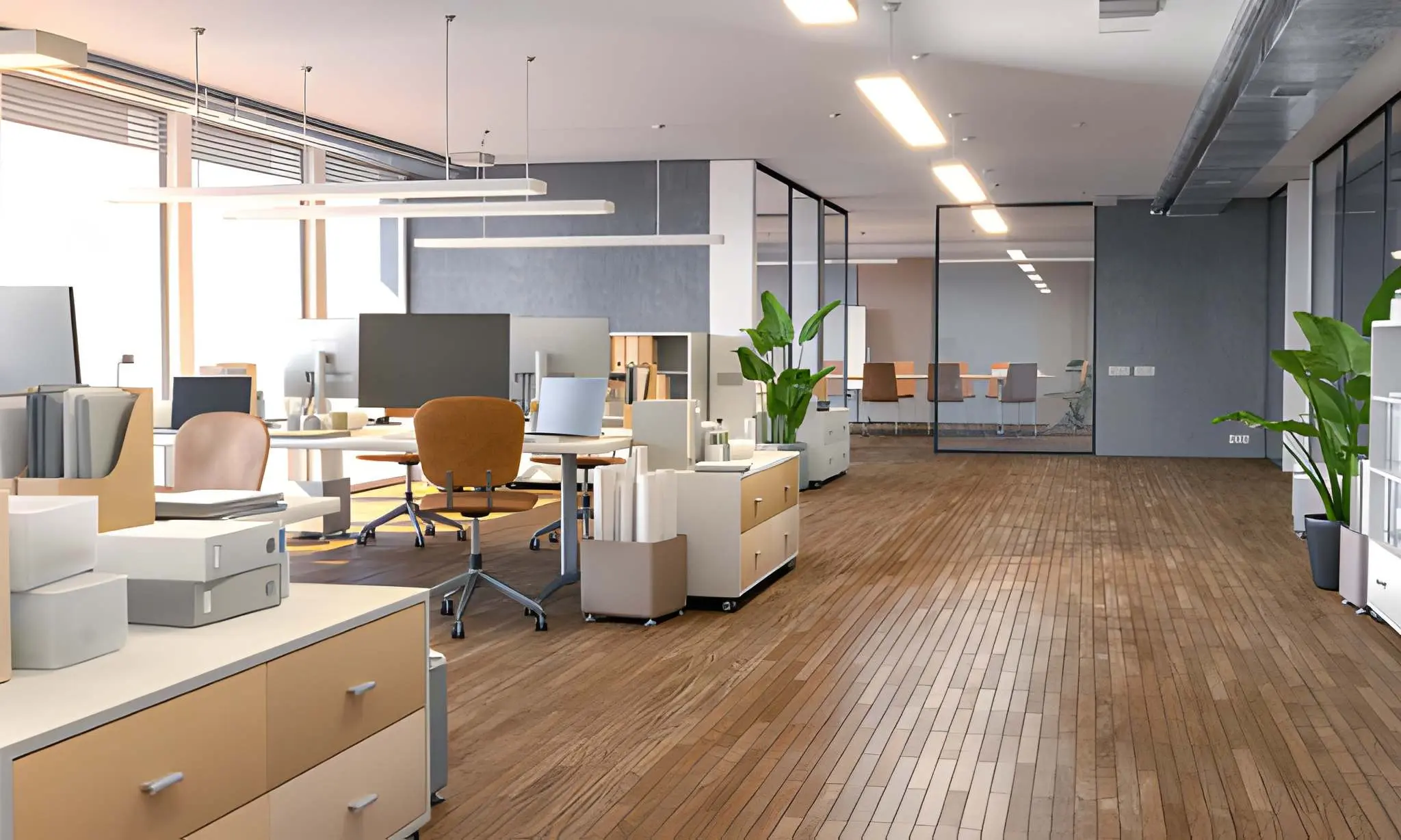
As your business grows, so does your team, your equipment, and the amount of activity in your workspace. One day, you are comfortable, and the next, you are tripping over boxes and fighting for conference room availability. The immediate reaction for many business owners is to start looking for a new lease. Moving, however, is an incredibly expensive and disruptive undertaking that can stall your momentum.
Embrace Vertical Storage Solutions
When floor space becomes scarce, the only way to go is up. In many offices, the area from waist-height to the ceiling is completely underutilized. We tend to focus on placing furniture on the ground, ignoring the vast potential of our walls. By shifting your focus to vertical storage, you can dramatically increase your storage capacity without sacrificing a single square foot of floor area.
Start by installing floor-to-ceiling shelving units. These can house reference libraries, supply bins, and archives that don’t need to be accessed daily. If you have high ceilings, consider installing overhead racks or cabinets above workstations. This keeps essential items within reach but off the desk surface, reducing visual clutter and freeing up room for actual work.
Another effective vertical strategy is the use of wall-mounted organizers. Instead of using bulky filing cabinets that intrude into walkways, use wall pockets for active files. Whiteboards and magnetic strips can replace easels and corkboards that take up floor space. Even monitors can be mounted on adjustable arms attached to walls or partitions, clearing valuable desktop real estate for employees.
Implement a Flexible Workspace Design
The traditional office layout—characterized by rigid rows of assigned desks—is often the biggest culprit when it comes to wasted space. If you have employees who travel, work from home part-time, or spend their days in client meetings, their empty desks are essentially “dead space.” Adopting a flexible workspace design allows you to accommodate more people in the same footprint.
Consider implementing a hot-desking system where employees choose a workspace when they arrive, rather than having a permanent seat. This allows you to reduce the total number of desks needed. You can replace individual workstations with communal tables and breakout areas designed for collaboration. This shift not only saves space but also encourages cross-departmental communication and creativity.
However, flexibility doesn’t mean eliminating privacy entirely. There will always be a need for focused work. You can create quiet zones using modular furniture that can be easily rearranged. If you are looking to define these specific areas without building permanent walls, you might look for office cubicles for sale that feature modern, low-profile designs. Unlike the bulky, isolating boxes of the past, contemporary modular cubicles can be configured to create semi-private nooks that fit seamlessly into an agile layout, giving you the best of both worlds.
Digitize and Declutter Your Office
Physical clutter is the enemy of spatial efficiency. Rows of filing cabinets, stacks of paper records, and boxes of outdated marketing materials can make even a large office feel cramped and claustrophobic. The transition to a paperless—or at least “paper-light”—office is one of the most effective ways to reclaim space.
Begin by auditing your physical files. What are you legally required to keep in hard copy? For everything else, implement a robust digitization strategy. Scan documents and store them in secure cloud-based systems. This not only clears out the filing cabinets but also makes information more accessible to your team, regardless of where they are working. Once the backlog is digitized, shred and recycle the paper copies to immediately open up floor space.
Decluttering should extend beyond just paper. Encourage employees to adopt a “clean desk” policy. When personal items, old tech, and unnecessary supplies accumulate, workstations feel smaller than they are. Schedule regular office clean-up days where the team can purge unneeded items. You might be surprised to find that you have plenty of space once the accumulated junk of the last five years is removed.
Multifunctional Furniture: A Smart Investment
When space is at a premium, every piece of furniture needs to earn its keep. Single-purpose items are a luxury that small offices often cannot afford. By investing in multifunctional furniture, you add versatility to your environment without adding clutter.
Look for tables that can be folded, nested, or rolled away when not in use. A conference room can double as a training center or a social hub if the large central table can be easily reconfigured into smaller groups or moved aside entirely. Similarly, seek out seating options that offer hidden storage. Ottomans with lids or benches with drawers underneath provide excellent places to stow personal belongings or office supplies.
Desks themselves can be multifunctional. Standing desks that adjust height allow the same station to be used for sitting work or standing meetings. Some modern desks even come with integrated cable management and power outlets, eliminating the need for separate power strips and tangled cords that take up space and create tripping hazards. By choosing furniture that adapts to your needs, you allow your office to change modes throughout the day without requiring extra square footage.
Optimize Lighting and Natural Elements
While lighting and decor don’t physically increase the size of a room, they have a profound impact on how large a space feels. A poorly lit office with dark corners and heavy furniture will always feel smaller and more oppressive than one that is bright and airy. Perception is reality when it comes to employee comfort.
Maximize natural light wherever possible. Remove heavy blinds and allow sunlight to penetrate deep into the office. If windows are limited, use glass partitions instead of solid walls for private offices or meeting rooms. This allows light to flow through the space, creating visual continuity that tricks the eye into seeing a larger area.
Your choice of artificial lighting matters, too. Replace harsh, centralized fluorescent lights with layered lighting solutions. Use LED task lighting at desks and ambient lighting in common areas to brighten dark spots. Additionally, incorporating mirrors strategically can reflect light and views, visually doubling the size of a hallway or small reception area. Finally, choose furniture with exposed legs rather than solid bases; being able to see the floor continue under a sofa or desk makes the room appear wider.
Conclusion
Expanding your office footprint isn’t the only way to accommodate growth—it should be the last resort. By applying space-saving strategies like using vertical space, digitizing records, and investing in flexible layouts, you can uncover hidden capacity. These changes create a more dynamic and efficient workplace, proving you don’t need a bigger office to do bigger things. Reimagine your space’s potential.
Also Read