In an era where time is precious and sustainability is a growing concern, an increasing number of homeowners and property managers are turning to innovative solutions that deliver both impressive aesthetics and practical benefits. Maintaining a natural lawn lush and healthy requires significant effort and resources, from regular mowing to frequent irrigation, making it a challenge for those with busy lifestyles or a desire to reduce their ecological footprint. One modern upgrade that meets both criteria is artificial grass—a landscaping choice that has rapidly gained traction due to its transformative impact on outdoor spaces. Embracing synthetic turf allows individuals to enjoy the manicured, green lawns they desire without the high overhead of traditional yard maintenance, freeing up valuable time and reducing the need for water, fuel, and chemical inputs. Companies such as ForeverLawn are leading the way in facilitating these transitions, making it seamless to enjoy these advantages in both urban and suburban environments, and providing solutions suited to residential, commercial, and public applications.
Artificial turf provides several benefits beyond its visual appeal, including reduced maintenance for households, public spaces, schools, and businesses. It enhances the usability of outdoor areas, supports year-round activities, and contributes positively to the environment by lowering greenhouse gas emissions and water usage. The increasing popularity of artificial grass indicates a significant transformation in outdoor living and urban design.
Consistent Aesthetic Appeal
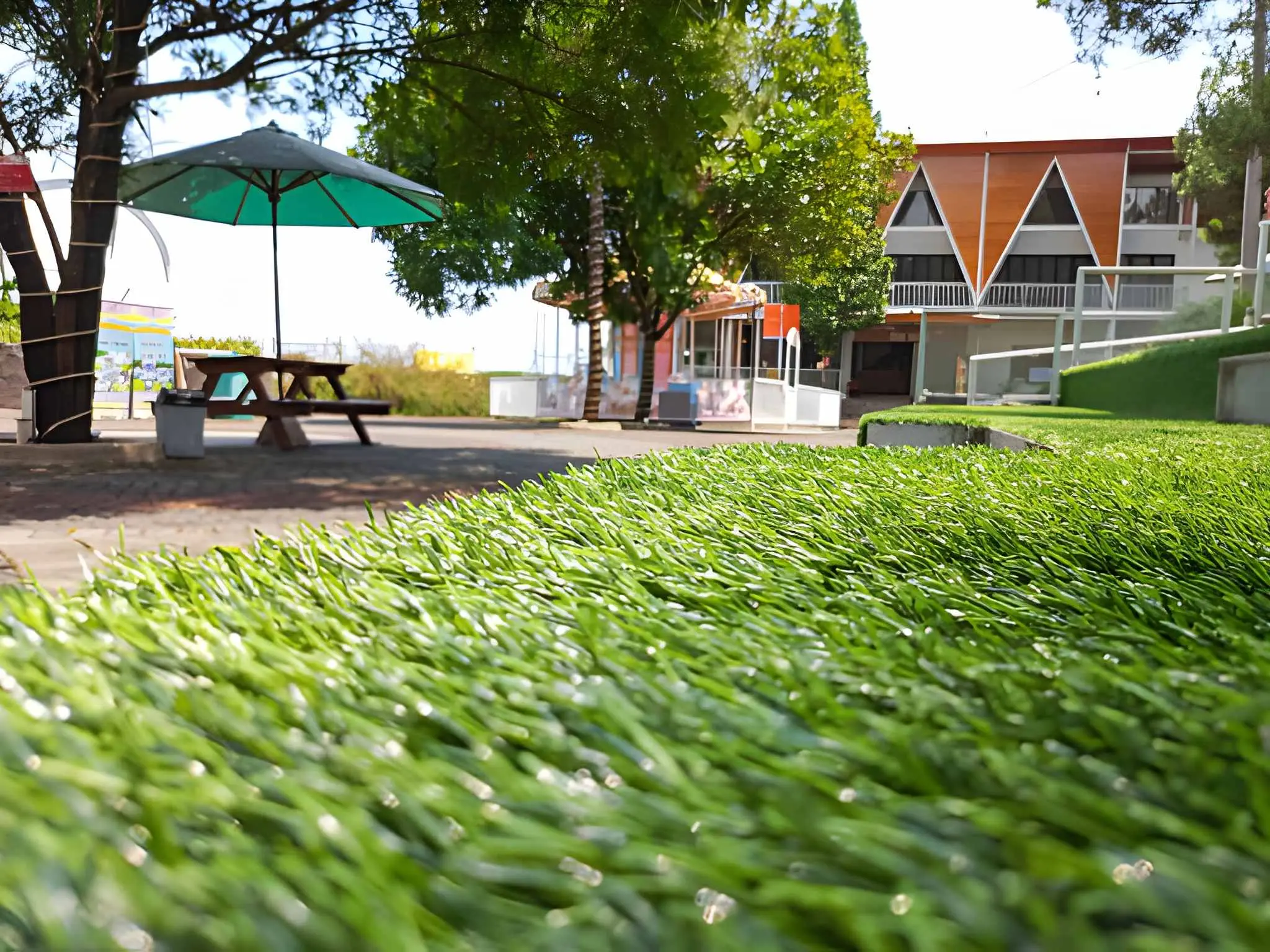
Artificial grass is meticulously engineered to remain green and vibrant, regardless of harsh seasonal changes or unexpected weather anomalies. Natural lawns, by contrast, are often vulnerable to brown patches, muddy spots after rain, insect damage, and uneven growth—issues that are exacerbated in high-traffic areas or in regions with hot, dry summers or irregular rainfall. Synthetic turf, however, stays consistently lush year-round, designed to mimic the natural variation in color and texture of real grass while avoiding its common pitfalls. This makes it an excellent choice for maintaining high curb appeal, supporting overall property value, and ensuring spaces look inviting every day. This uniformity and dependability have made artificial grass increasingly desirable among homeowners and property developers seeking a balance between visual impact and ease of upkeep.
Minimal Maintenance Requirements
One of the top-selling points of artificial grass is the remarkable ease of ownership it offers. Unlike living grass, which requires persistent mowing, regular weeding, seasonal seeding, and fertilizing to look its best, synthetic lawns demand little more than the occasional sweep and rinse to remove debris and maintain their fresh appearance. Homeowners no longer need to purchase or maintain lawn mowers, string trimmers, or irrigation systems, allowing them to reclaim weekends and invest their energy elsewhere. This low-maintenance approach is particularly appealing in urban settings, where time, storage space, and access to water are often limited. Routine upkeep involves simple steps—clearing away leaves, brushing the fibers, and occasionally hosing it down—ensuring a consistently attractive lawn with minimal effort. Not only does this reduce hassle, but it can also lead to significant reductions in ongoing landscaping expenses.
Water Conservation
In many regions today, water conservation is not simply urged but required due to recurring drought conditions and increasingly stringent regulations. Natural lawns are infamous for being water-intensive, consuming thousands of gallons annually just to remain green and healthy, especially during the summer months. By switching to artificial turf, property owners can significantly reduce their water usage, advancing local and global sustainability initiatives while enjoying substantial savings on utility bills. Outdoor water use can account for nearly 30% of residential water consumption in some areas, most of which is funneled into lawns and gardens. Eliminating this need directly benefits communities facing water shortages and helps preserve valuable freshwater resources for future generations.
Elimination of Harmful Chemicals
Traditional lawn care often depends on a combination of chemical fertilizers, herbicides, and pesticides to promote growth, control weeds, and ward off insects—products that can leach into local waterways and harm beneficial pollinators, birds, or pets. Artificial grass eliminates the need for these chemicals entirely, contributing to cleaner runoff, improved water quality, and a safer environment in and around your home. This benefit resonates strongly with families seeking to minimize exposure to potentially harmful toxins in areas where their children and pets play, as well as with communities aiming to improve overall environmental health. Artificial grass also decreases the risk of accidental poisoning and supports a thriving, diverse ecosystem in the surrounding landscape.
Durability and Longevity
Designed with resilience in mind, quality artificial turf systems are manufactured to endure significant wear and tear, from backyard get-togethers and birthday parties to public sports events and everyday foot traffic. Modern synthetic grass is UV-stabilized, highly resistant to fading, and engineered to withstand the challenges posed by playful pets, active children, and variable weather. Unlike natural lawns, which may require reseeding or patching after harsh seasons or heavy use, artificial turf maintains its shape and color for years with minimal intervention. This extended lifespan makes synthetic grass a cost-effective investment. Though the initial installation may be higher than seeding or sodding, the minimal ongoing upkeep can result in notable savings over the years.
Versatile Applications
The versatility of artificial grass opens up a wide array of creative landscaping possibilities far beyond the typical front or backyard. It’s increasingly adopted for commercial landscapes seeking year-round curb appeal, public parks aiming for resilient play surfaces, rooftop gardens looking for lightweight, low-care greenery, and event venues wanting to provide stylish outdoor atmospheres regardless of weather. The surface provides a soft, safe footing for recreational activities and is adaptable for specialized projects, such as putting greens, dog runs, patio accents, pool surrounds, or even interior decor. Its versatility means there’s a solution for virtually every kind of space, from compact urban patios to sprawling parks and sports facilities.
Environmental Benefits
The ecological advantages of artificial grass extend well beyond water savings and the absence of chemical treatments. By eliminating the need for gas-powered lawnmowers and other traditional landscaping tools, synthetic turf helps reduce carbon dioxide emissions and lower fossil fuel consumption associated with routine lawn care. In addition, technological advances have led to an increased use of recycled and recyclable materials in turf production, which reduces landfill waste and supports a shift toward closed-loop manufacturing systems. For municipalities and organizations seeking to promote broader ecological stewardship, these factors collectively contribute to the goal of creating more sustainable, environmentally friendly cities and neighborhoods.
Conclusion
Artificial grass represents a wise investment for contemporary living, seamlessly blending durability, year-round beauty, and significant ecological advantages into an accessible, low-maintenance landscape solution. As more homeowners, business owners, and property managers explore ways to refine their spaces with less hassle and greater long-term value, synthetic turf stands out as a practical and lasting method for cultivating beautiful, sustainable green environments that enhance quality of life.
Also Read-From RAW to Ready: What Real Estate Photo Editing Looks Like When AI Handles 50K Photos a Day