
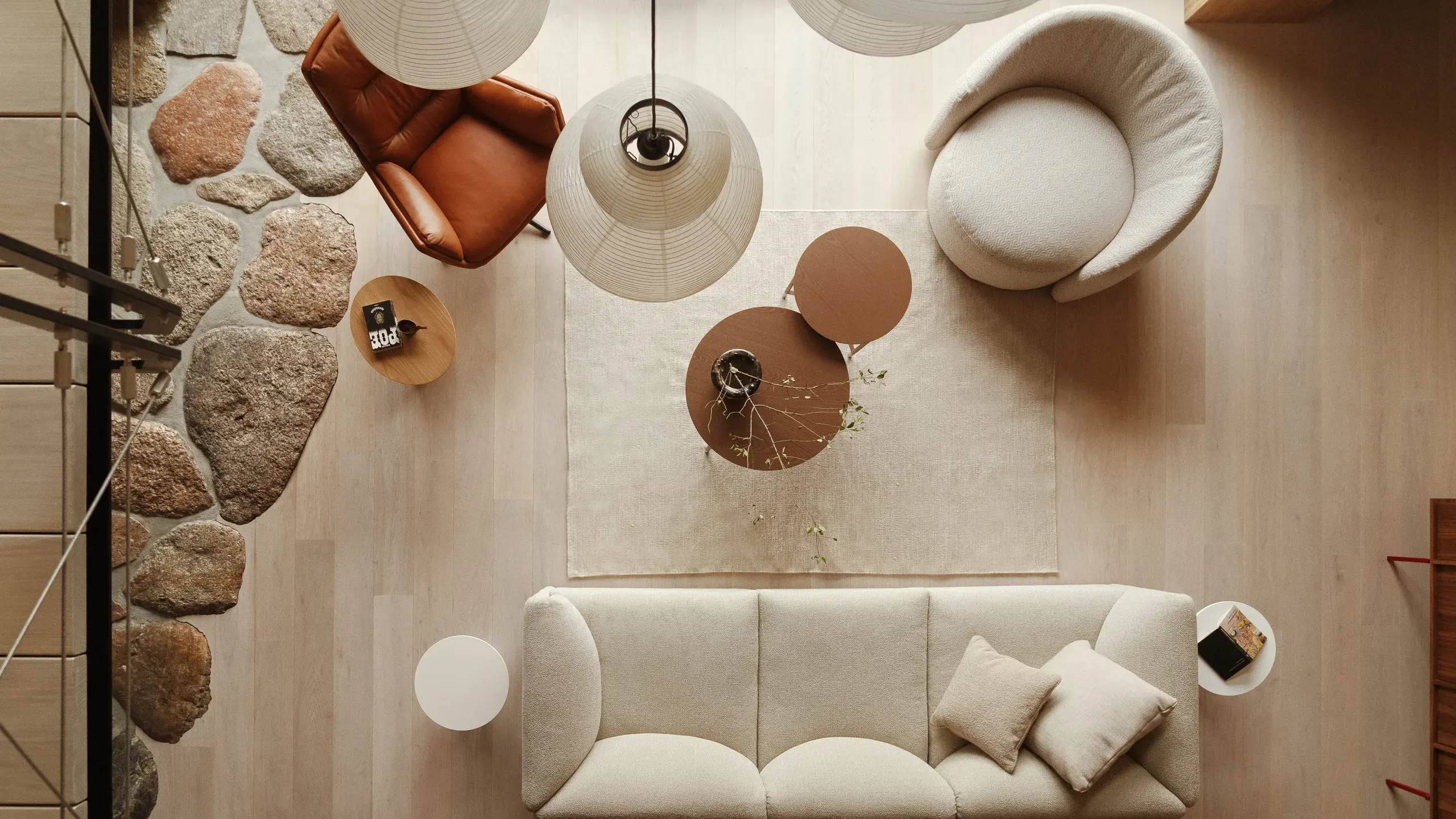
In a world obsessed with speed—fast food, fast fashion, next-day delivery—a quiet rebellion is brewing in the coastal corners of New England. Nowhere is this shift more palpable than in Maine, a state that has long prided itself on authenticity and endurance. For decades, we have watched the rise of “fast furniture”: mass-produced, particle-board pieces designed to last a lease rather than a lifetime. But as we move further into the mid-2020s, a distinct cultural pivot is occurring. The modern homeowner is beginning to ask a critical question: Why are we filling our permanent sanctuaries with temporary things?
This is the dawn of the “Slow Furniture” movement, and it is reshaping how we gather, eat, and live.
The Environmental Hangover of “Disposable Decor”
The catalyst for this shift is largely environmental. For years, the convenience of flat-pack furniture masked its ecological cost. The reality of cheap veneers and chemically bonded sawdust is that they are virtually impossible to recycle. When a flimsy chair leg snaps or a laminate table bubbles from a spilled drink, that item almost invariably ends up in a landfill.
In a community like Portland, where sustainability is woven into the municipal DNA—from composting programs to the banning of Styrofoam—the cognitive dissonance of buying disposable furniture is becoming too loud to ignore. Homeowners are waking up to the fact that true sustainability isn’t just about sorting recycling; it’s about buying things that never need to be thrown away.
The “Maine Aesthetic” is Built on Integrity
Beyond the environmental impact, there is the issue of soul. Maine’s architectural landscape is dotted with sea captains’ homes, red-brick row houses, and weathered capes—structures built to withstand nor’easters and centuries of wear. Putting flimsy, hollow-core furniture inside these spaces feels like a betrayal of the architecture.
The “Slow Furniture” ethos aligns perfectly with the local aesthetic. It champions materials that age gracefully: solid hardwoods that develop a rich patina over time, full-grain leathers that soften with use, and joinery that relies on physics rather than glue.
This return to quality mirrors the “farm-to-table” movement that put Portland on the map. Just as diners want to know the provenance of their oysters or the grower of their potatoes, homeowners are starting to ask about the origins of their tables. Is this North American white oak? Was it kiln-dried to prevent warping in our humid summers and dry winters? There is a growing hunger for the narrative behind the object.
The Economics of “Buy Once, Cry Once”
There is a financial argument here, too, though it requires a shift in perspective. Fast furniture wins on the sticker price, but it loses on the timeline. A $300 dining table that needs replacing every four years is a perpetual subscription service to mediocrity. In contrast, a solid wood table crafted with mortise-and-tenon joinery is a singular investment that effectively becomes free over generations of use.
We are seeing a return to the “heirloom mindset.” This doesn’t mean stuffing homes with stuffy, heavy antiques that feel like a museum. It means choosing modern, comfortable pieces that are built with old-world integrity. It’s about viewing a dining table not as a surface for holding plates, but as the future artifact of your family history—the stage for Thanksgiving arguments, homework struggles, and candlelit anniversaries.
How to embrace the Shift
So, how does one transition from the fast lane to the slow lane?
- Audit Your Materials: Look for “honest” materials. If it looks like wood, it should be wood. If it looks like metal, it should be cold to the touch. Avoid materials that pretend to be something they are not.
- Check the Joints: Pull out a drawer or look under a table. If you see staples and plastic corner brackets, it’s fast furniture. If you see dovetails and solid wood blocking, it’s built to last.
- Mix, Don’t Match: The “Slow Furniture” look is curated, not cataloged. It involves mixing a sturdy new oak table with vintage chairs found at a flea market, or pairing a sleek, modern sideboard with an inherited rug. This creates a space that feels collected over time, rather than purchased in a single afternoon.
Conclusion
The dining room is the heart of the home. It is one of the few remaining places where we sit down, put away our screens, and actually look at one another. It deserves better than cardboard and plastic.
By rejecting the disposable culture and embracing pieces with weight, history, and craftsmanship, we aren’t just decorating; we are anchoring ourselves. We are making a statement that in a world that moves too fast, we are willing to slow down and build something that lasts. When you start looking for dining room furniture in Portland, Maine, you are doing more than shopping—you are curating the backdrop for the rest of your life.
Also read-Why is Student Interest in Tech High?