As technology reshapes every facet of modern society, computer science skills are becoming increasingly indispensable for students entering the workforce. Illinois is at the forefront of this shift, working to ensure that its Career and Technical Education (CTE) offerings equip students with relevant digital and problem-solving abilities. By embedding computer science education in Illinois, from K-12 to postsecondary programs, the state is closing skill gaps and building a pipeline of talent ready for tomorrow’s jobs.
Computer science integration within CTE is not limited to coding but encompasses a broad set of competencies, ranging from computational thinking and data analysis to cybersecurity and digital design. As technology becomes foundational in sectors like healthcare, agriculture, and manufacturing, CS literacy gives Illinois students a powerful advantage in both local and global labor markets.
The state’s commitment is evident in both visionary policymaking and strategic funding, which are shaping curricula, educator preparation, and industry engagement. The long-term goal is to ensure Illinois youth—regardless of ZIP code—have access to meaningful, hands-on computer science experiences in both traditional classrooms and applied, career-focused pathways.
This focus on educational equity and career readiness is driving new partnerships and prompting continuous improvements in the way computer science is taught. As technology evolves, so too must both policy and practice to ensure students are well-prepared for emerging opportunities.
State Initiatives to Promote CS in CTE
Illinois has galvanized support for computer science in CTE through forward-thinking legislative and budgetary measures. The Computer Science Equity Grant, launched by the Illinois State Board of Education (ISBE) in 2024, is a cornerstone initiative that earmarks $3 million to expand CS access throughout K-12 education. This program targets schools with significant technology gaps and equips educators with the most up-to-date teaching tools and training. According to Dr. Tony Sanders, State Superintendent, CS education “is foundational to preparing students for success in the 21st-century workforce.”
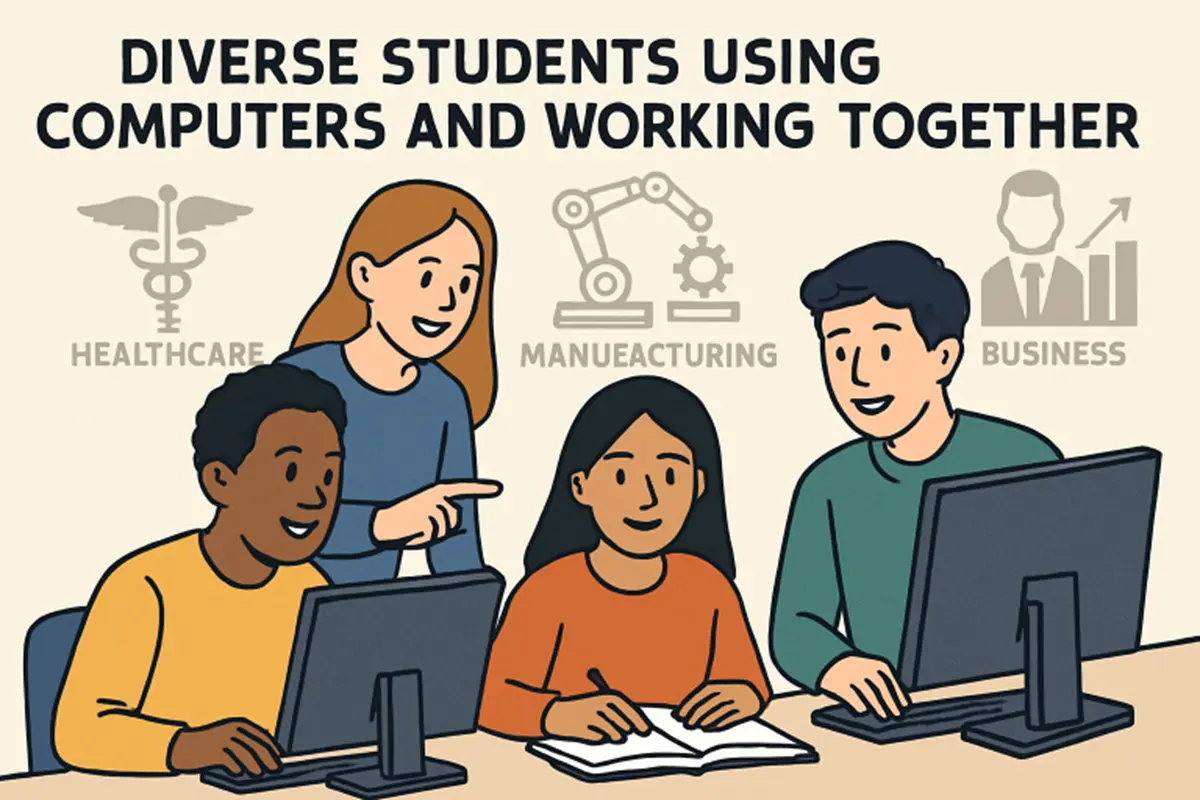
Statewide standards updates and new professional learning requirements for both in-service and pre-service teachers complement the ISBE grant. These policies encourage school districts to embed CS in multiple learning pathways—including advanced manufacturing, business, and health sciences. By mandating a holistic focus on digital skills, state leadership is ensuring that computer science is no longer siloed but becomes a central pillar of CTE.
Collaborations Between Educational Institutions and Industry
To bridge the gap between classroom learning and workforce requirements, Illinois has fostered innovative partnerships with tech giants and local employers alike. Illinois College, for example, partnered with Google to overhaul its computer science offerings, enabling students to access both on-campus and online courses led by industry professionals. This realignment ensures graduates possess the technical expertise and real-world insights needed for tech-driven careers.
In Chicago, the Discovery Partners Institute (DPI) has teamed up with Chicago Public Schools to expose high schoolers to hands-on technology projects, summer camps, and mentorship opportunities. By connecting students with working professionals and internships, DPI creates an environment where academic knowledge translates directly into practical skills valued by employers.
Local business alliances, community colleges, and regional innovation hubs are also critical players in expanding CS education. These collaborations offer work-based learning, credentialing programs, and career exploration events that help students connect their classroom learning to high-wage, high-demand jobs. Additionally, ongoing dialogue between schools and industry ensures that curriculum revisions keep pace with emerging trends, from data science to artificial intelligence.
Challenges in Integrating CS into CTE
Expanding computer science in Illinois CTE has brought both progress and persistent challenges. According to the Illinois Workforce & Education Research Collaborative (IWERC), only about half of educators teaching CS courses between 2018 and 2022 had the recommended endorsements. This shortage of qualified instructors is one of the most pressing obstacles facing school districts. Robust, targeted professional development is needed to help teachers gain both subject-matter expertise and confidence in delivering high-quality CS instruction.
Another challenge is ensuring equity. Despite the Computer Science Equity Grant and related initiatives, gaps in access and participation remain sharpest in rural communities and among students of color. The future success of Illinois’ CS education agenda depends on closing these gaps and ensuring all learners can benefit from high-quality, inclusive curricula and modern classroom infrastructure. Equitable funding, statewide teacher preparation, and targeted outreach will be pivotal as the state moves forward.
Future Directions for CS in CTE
Illinois is poised to accelerate its computer science roadmap through expansions in both policy and practice. Strategic research, such as IWERC’s multi-part series on high school CS outcomes, will continue to drive evidence-based policy decisions and identify promising practices for reaching more students and teaching more advanced skills.
Looking ahead, the next phase will include scaling successful public-private partnerships, developing career-aligned pathways that start in middle and high school, and leveraging new technologies for blended learning and virtual mentorship. By prioritizing inclusion and adaptability, Illinois aims to serve as a model for other states. As demand for technology skills intensifies, a robust, industry-connected CTE system will help youth access rewarding, future-ready careers.
The integration of computer science into CTE is transforming not only coursework but also opportunities for young people throughout Illinois. With visionary leadership, a commitment to equity, and the collaborative efforts of schools and employers, Illinois is laying the groundwork for a lifelong technology learning ecosystem.
Also Read-Why is Student Interest in Tech High?