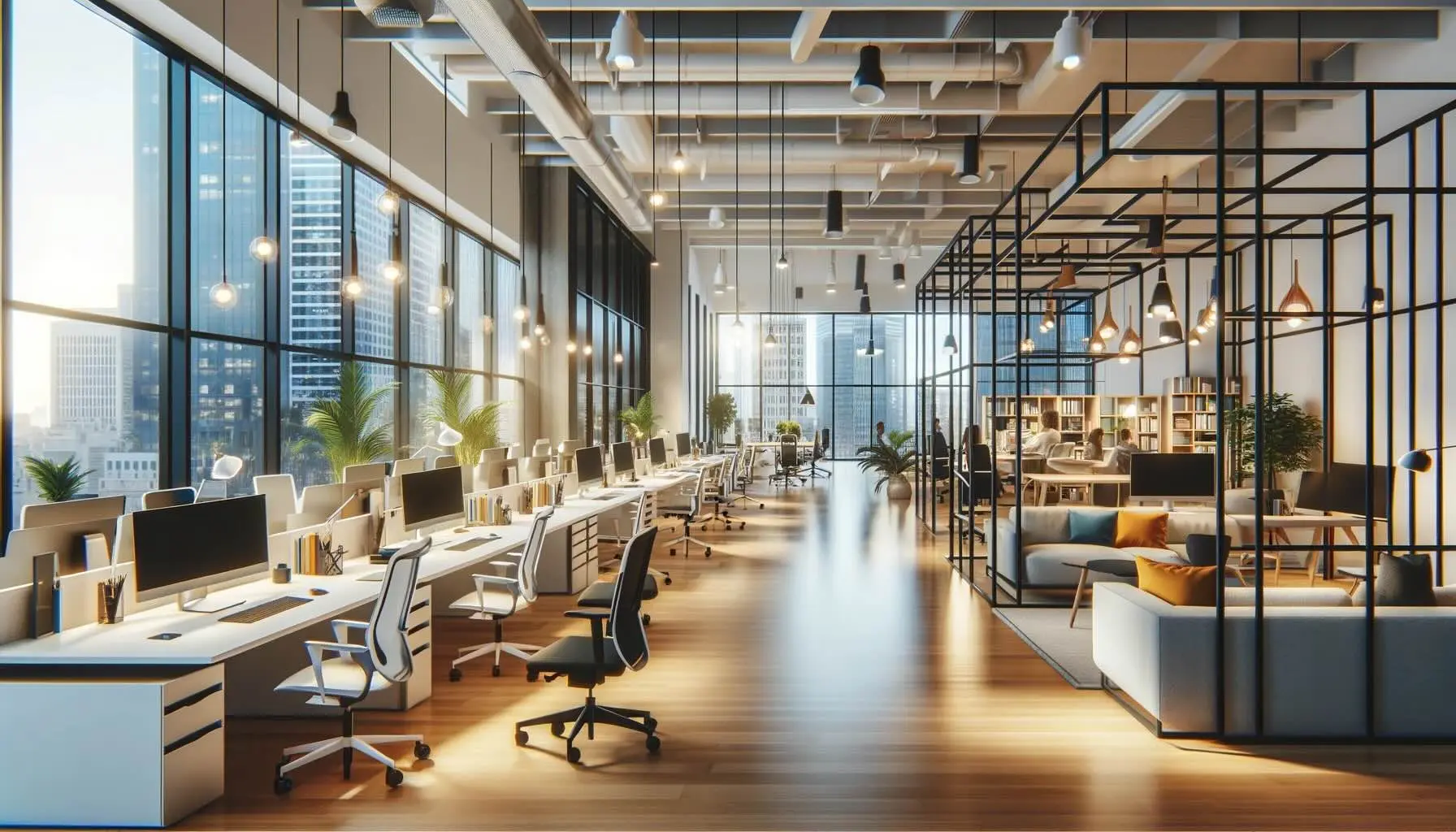
Modern office environments are undergoing a dynamic transformation driven by smart technology, encompassing everything from intelligent lighting systems to integrated communication platforms. Innovative systems and intelligent design are enabling businesses to increase productivity, enhance employee well-being, and gain a competitive edge in today’s fast-paced market. The integration of advanced solutions, such as automated climate controls, touchless entry systems, and adaptive workspaces, creates offices that are not only efficient but also adaptable and people-centered. Forward-thinking companies recognize that investing in a smarter office is a strategic move that benefits both employee satisfaction and long-term organizational success. If your business is considering an upgrade or needs guidance, the resources available at signalsolutions.com offer expert support for implementing smart office strategies in Los Angeles and beyond, along with comprehensive consultations to help navigate the transition effectively.
From real-time occupancy monitoring to personalized workstations equipped with adjustable settings, smart technology is redefining what an office can be. Whether implemented in newly constructed spaces or retrofitted into existing offices, these transformative tools support essential business goals. This includes reducing downtime, optimizing resource use, and meeting the diverse needs of today’s workforce. The adoption of these forward-thinking solutions underpins key business priorities, such as sustainability, safety, and flexibility—especially important as companies adapt to hybrid work models and changing employee expectations. The technology empowers managers and staff to operate more efficiently, while also contributing to a healthier, more inspiring work environment overall.
Enhancing Efficiency with IoT Integration
The Internet of Things (IoT) is at the heart of every smart office, connecting devices and creating a streamlined, interactive workplace ecosystem. By linking lighting systems, climate controls, and shared resources such as printers and conference rooms, IoT enables the creation of a responsive workspace that automatically adapts to the needs of employees. Smart sensors, for instance, can track occupancy in real-time and adjust lighting levels or temperature settings to achieve both energy savings and personalized comfort. This means unnecessary energy consumption is minimized while providing each workstation with an optimal environment. By eliminating mundane, manual adjustments, employees experience fewer distractions and can focus on higher-level tasks. Such automation provides valuable data, offering insights into how spaces are used over time so resources can be allocated with greater precision.
Improving Security Through Advanced Systems
Office security has evolved far beyond traditional locks and badges to encompass a suite of sophisticated, technology-driven solutions that protect both physical and digital assets. Today’s surveillance systems are equipped with AI-powered analytics to monitor activity and detect anomalies, while biometric access controls ensure that only authorized personnel can enter sensitive or restricted areas. These innovations, often integrated with building management systems, facilitate real-time monitoring through centralized dashboards, enabling facility managers to maintain situational awareness and respond promptly to potential threats. Modern alarm systems and remote access controls enable managers to secure areas or receive instant alerts if security protocols are breached. These measures are crucial in the digital age for protecting sensitive information, intellectual property, and maintaining overall workplace safety, especially as offices become more open and flexible.
Promoting Sustainability with Energy Management
Energy management systems are a cornerstone of sustainable, forward-looking office operations. Smart lighting solutions automatically adjust their brightness based on natural daylight and occupancy, while automated HVAC systems adjust heating and cooling in real-time to match usage patterns. These features significantly reduce utility costs and minimize environmental impact, enabling companies to meet rigorous sustainability targets. Data-driven analytics built into these systems empower facilities managers to pinpoint inefficiencies, track consumption trends, and implement changes that can have significant long-term impacts both fiscally and ecologically. Many organizations now prioritize eco-friendly practices not only for regulatory reasons but also to align with the values of employees and clients, who increasingly expect corporate responsibility in environmental matters. As a result, sustainable building certifications and green office initiatives are becoming integral to smart office planning, signaling a commitment to both current and future generations.
Supporting Hybrid Work Models with Flexible Spaces
The shift toward hybrid and remote working arrangements has dramatically reshaped office layouts and space utilization strategies. Smart technology enables concepts like hot-desking—where desks are shared and reserved as needed—along with space reservation apps that give employees greater control over where and how they work. Unified communication systems and cloud collaboration platforms allow teams to connect seamlessly, whether colleagues are in the same room or across the globe. Flexible layouts support everything from focused solo work to impromptu group discussions, helping organizations respond more nimbly to changing workforce trends. This adaptability transforms the office from a traditional 9-to-5 workplace into a vibrant, collaborative hub for idea sharing and innovation, making smart spaces irresistible to dynamic, modern teams.
Enhancing Collaboration with Advanced Communication Tools
Effective collaboration is more crucial than ever as teams become increasingly geographically dispersed and take on cross-functional projects. Modern offices deploy unified communication platforms that integrate messaging, video conferencing, and document sharing into a single, easily accessible hub. Smart video conferencing tools, equipped with features like background noise filtering and facial recognition, make meetings more productive and engaging for all participants. Cloud-based project management platforms streamline workflow, enable transparent progress tracking, and provide a centralized location for all project assets. By integrating these solutions, organizations can break down silos, improve information flow, and foster a culture of innovation and teamwork—crucial attributes in today’s competitive business landscape.
Personalizing Work Environments for Employee Well-being
Smart technology is enabling workplaces to provide truly personalized experiences, taking employee-centered design a step further. Features like adjustable lighting schemes, customizable climate settings, and ergonomic desks that remember individual profiles are made possible by intuitive apps and IoT systems. Employees can tailor their environment to match their preferences and needs, which supports better concentration, reduces stress, and helps prevent common workplace injuries. Emphasizing well-being through personalized design leads to measurable gains in employee retention and satisfaction and has a positive impact on mental health.
Implementing Smart Technology: Challenges and Considerations
Strategic Planning and Training
Although the benefits of smart offices are substantial, transitioning to this setup requires careful planning, including coverage of costs for hardware, software, and infrastructure. With an increased digital footprint, cybersecurity and privacy must be top priorities. Adoption by staff is a major challenge, so training and change management are crucial. To minimize disruptions and maximize benefits, it’s advisable to evaluate vendors, verify system compatibility, and implement a phased rollout. Continuous support and feedback are essential to ensure that these investments yield sustained improvements.
Data Security and Privacy
As the number of connected devices increases, so does the risk of cyber threats and concerns about data privacy. Organizations must implement robust security measures such as encryption, multi-factor authentication, and role-based access controls. Regular updates and continuous network monitoring are vital. Training staff in cybersecurity helps promote responsibility and makes technology an asset. Additionally, working with reputable providers and performing regular security audits are key steps to safeguard sensitive information.
Conclusion
Smart technology is transforming the way offices operate, enhancing efficiency, safety, sustainability, and employee engagement. By embracing these innovative solutions and proactively addressing challenges, organizations can create dynamic, future-ready workplaces that inspire and empower their teams to achieve more together. The smart office is not just a trend—it’s a strategic shift that is setting the standard for future workplaces around the globe.
Also Read-Smart Home Healing After Surgery: Tools, Tech And Gentle Support