The rapid evolution of the industrial landscape is driven by the integration of advanced mobility solutions into material-handling processes. Organizations across sectors are recognizing that effective, agile movement of goods and materials is crucial for maintaining efficiency and competitiveness. At the heart of these operations are versatile tools, such as industrial wheels, that provide the foundation for both manual and automated systems. As industrial demands grow, so does the need for innovative approaches that improve every aspect of material handling, from safety to sustainability to speed.
Adopting modern mobility solutions not only enhances productivity and adaptability but also raises workplace safety standards and addresses environmental concerns. Automated and connected systems are minimizing manual errors, streamlining workflows, and enabling real-time data analysis. Businesses are finding new ways to optimize processes by leveraging technology, data, and innovative equipment, allowing them to meet the challenges of a fast-moving, dynamic market.
Advancements in artificial intelligence (AI), the Internet of Things (IoT), and automation are setting new industry benchmarks, making warehouses more innovative, more reliable, and more eco-friendly. At the same time, companies that make sustainability a priority are discovering operational savings and improved corporate responsibility, benefiting both their bottom line and the environment. For a deeper look at modern trends shaping logistics, consider this Forbes overview.
Autonomous Vehicles in Material Handling
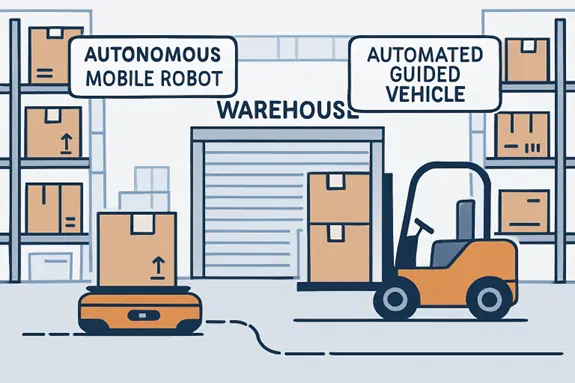
Autonomous vehicles are reshaping traditional material-handling paradigms, enabling businesses to move goods quickly and efficiently with less human intervention. Autonomous Mobile Robots (AMRs) and Automated Guided Vehicles (AGVs) can safely navigate complex environments using onboard sensors and real-time mapping. AMRs are increasingly found on construction sites, factory floors, and warehouses. They haul supplies, deliver tools, and even relocate heavy inventory, all while adapting to changes in layout or workflow. This adaptability frees up human workers for higher-value tasks and reduces the risk of repetitive strain injuries.
By reducing dependency on manual labor, autonomous vehicles also decrease the frequency and severity of inventory management errors. These systems work tirelessly around the clock, optimizing load movements and improving operational speed without sacrificing safety. The ability to integrate such mobile robots with existing management systems further amplifies their value, offering businesses a scalable path to higher productivity and lower operational costs.
AI and IoT Enhancing Warehouse Operations
The combination of Artificial Intelligence and the Internet of Things is revolutionizing warehouse operations by infusing them with real-time intelligence and unprecedented visibility. IoT-enabled sensors track the status of inventory, equipment, and environmental factors, relaying data instantly to AI-driven platforms. These platforms continuously monitor patterns, forecast demand, and recommend process improvements. This allows organizations to take proactive measures, such as scheduling predictive maintenance, which prevents costly breakdowns.
AI’s power lies in its ability to analyze vast amounts of operational data, identify inefficiencies, and suggest optimizations for order picking, routing, and inventory replenishment. By automating decision-making and minimizing manual oversight, businesses can increase throughput, reduce error rates, and enhance overall warehouse transparency. Integration of AI and IoT removes the guesswork from daily logistics and delivers actionable insights that drive results. For additional insights into the impact of AI in logistics, refer to this Forbes resource.
Sustainability in Material Handling
The urgency of addressing environmental impacts has accelerated the adoption of sustainable practices in material handling. Companies are investing in energy-efficient vehicles, electrified fleets, and automated systems that consume less power. Intelligent energy management systems help facilities monitor usage and reduce waste, contributing to overall lower carbon footprints.
Materials used in packaging and storage solutions are also evolving, with a growing emphasis on recyclability, durability, and lighter weight to reduce emissions during transport. These green initiatives not only align companies with regulatory standards and societal expectations but also deliver cost savings through resource optimization. Embracing sustainability ensures a company’s relevance in global markets and supports broader efforts to achieve net-zero emissions.
Ergonomic and Safety Innovations
Worker safety is a top priority in modern warehouses and facility environments. Advanced material-handling equipment is being engineered with ergonomic controls, enhanced visibility features, and intelligent safety systems. Examples include automated braking, emergency stop functions, collision avoidance sensors, and anti-slip handles, all of which reduce workplace accidents and comply with evolving safety standards.
Employers find that investing in ergonomic solutions, such as height-adjustable workstations and minimally strenuous lifting mechanisms, reduces worker fatigue and injury while boosting job satisfaction. Safety innovations safeguard not only employees but also products, minimizing losses due to accidental drops or improper handling.
Real-World Applications
The trends shaping material handling are best illustrated through practical, on-the-ground examples. Warehouses and fulfillment centers are deploying modular conveyor and sortation systems to handle fluctuating order volumes and seasonal demand spikes. These modular systems can be rapidly reconfigured or expanded, helping businesses maintain high service levels without major infrastructure changes.
The integration of centralized Warehouse Management Systems (WMS) streamlines inventory tracking and facilitates efficient order fulfillment across multiple distribution centers. Real-time data sharing and automated reporting eliminate bottlenecks, reduce processing times, and improve coordination. The result is a seamless flow of goods through the supply chain, from suppliers to end users.
Future Trends
The future of material handling is defined by even greater automation, connectivity, and ecological responsibility. Continued advancements in AI and robotics will enable smarter, more autonomous systems. AI-powered analytics will forecast purchasing trends, helping businesses adapt rapidly. IoT platforms will expand into predictive maintenance, workflow automation, and integrated safety monitoring, enabling managers to exercise granular control over operations.
Sustainability considerations will influence every step of the supply chain, from design to disposal. As organizations prioritize resource efficiency and carbon reduction, innovative technologies and new business models will emerge to support sustainable growth. Companies that proactively adopt these mobility solutions will be best positioned to lead, adapt to market changes, and achieve long-term success.
By embracing the latest mobility solutions, material handling professionals are securing a future where operations are safer, more efficient, and more sustainable, enabling them to thrive in a competitive, ever-changing industrial landscape.
Read more: Photo Editing Mistakes that Make Bodies Look Worse