
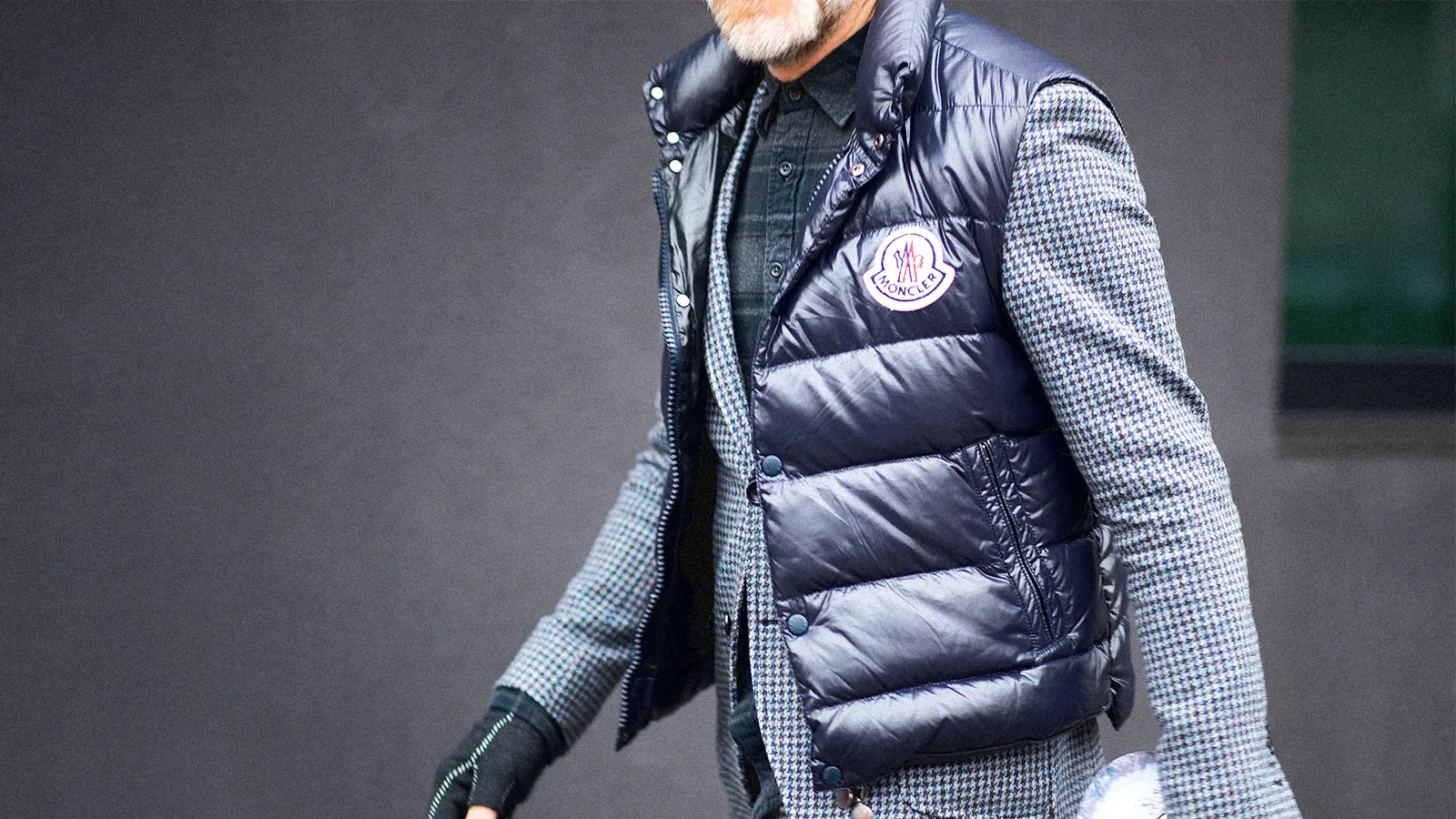
In the realm of outerwear, jackets and gilets are quintessential pieces that strike a delicate balance between function, comfort, and style. Their evolution has seen advancements in fabric technology and design that cater to a variety of weather conditions and fashion trends. Take, for example, the Patagonia men’s Torrentshell jacket, which is tailored to offer unrivalled protection against the elements without sacrificing stylistic appeal.
Functional Fabrics and Materials
The cornerstones of any high-quality jacket or gilet are the fabrics and materials used in their construction. Technological advancements have ushered in a new era of materials, offering enhanced water resistance, breathability, and durability. Modern jackets often employ materials such as Gore-Tex and other DWR (Durable Water Repellent) coatings. These ensure that one stays dry during unexpected downpours, which is particularly beneficial for outdoor enthusiasts and commuters alike.
Meanwhile, many gilets are designed with lightweight, insulating materials such as prima loft or down, providing warmth without bulk. These materials are perfect for layering, allowing wearers to adapt to fluctuating temperatures with ease. The innovation in textiles not only addresses the practical aspects of design but also opens doors to an array of colours and textures, enhancing the aesthetic appeal of these garments.
Design for Mobility and Versatility
While the primary function of jackets and gilets is to provide warmth and protection, modern designs are increasingly focusing on mobility and versatility. Designers understand that wearers require freedom of movement for various activities, be it cycling, hiking or simply navigating the urban landscape. Consequently, many garments incorporate design features like articulated elbows, adjustable hems, and stretch panels.
The versatility of these garments is further highlighted by the introduction of convertible designs. Some jackets can transform into gilets by removing sleeves, offering multiple wearing options. This adaptability means that one garment can be suitable for a wider range of temperatures and weather conditions, ultimately leading to more sustainable wardrobe choices.
Attention to Comfort
Comfort is a non-negotiable aspect of modern garment design. Manufacturers are increasingly seeking feedback from consumers to better tailor their products. Soft inner linings, ergonomic cuts, and well-placed pockets contribute to a jacket or gilet’s overall comfort. An understanding of body mapping also ensures that warmth is distributed evenly across the garment, eliminating cold spots while preventing overheating.
Additionally, features such as adjustable hoods, cuffs, and ventilation zips personalise the fit and enhance comfort for the individual across diverse weather conditions. With the advancement in material technology, breathable membranes and mesh linings further ensure that moisture management is effectively addressed.
Incorporating Style
Fashion is no longer an afterthought in the production of jackets and gilets. Designers are keenly aware that consumers want garments that can transition seamlessly between outdoor adventures and social outings. As such, modern outerwear often features minimalistic and sleek designs that adhere to contemporary fashion tastes.
The influences of streetwear and luxury fashion have also permeated into outdoor clothing design. Embellishments such as contrasting zips, patterns, and brand logos offer subtle style cues without overpowering the functionality of the garment. This ensures that the wearer makes a sartorial statement, reflecting personal style while meeting the demands of the environment.
The Role of Sustainability
With growing awareness around environmental challenges, sustainability has become a significant consideration in the design of jackets and gilets. Consumers are increasingly prioritising brands that demonstrate a commitment to eco-friendly practices. This includes using recycled or organic materials and ensuring that production processes minimise waste and carbon emissions.
Brands are now offering more transparent insights into their supply chains, empowering consumers to make informed choices.
Also Read