
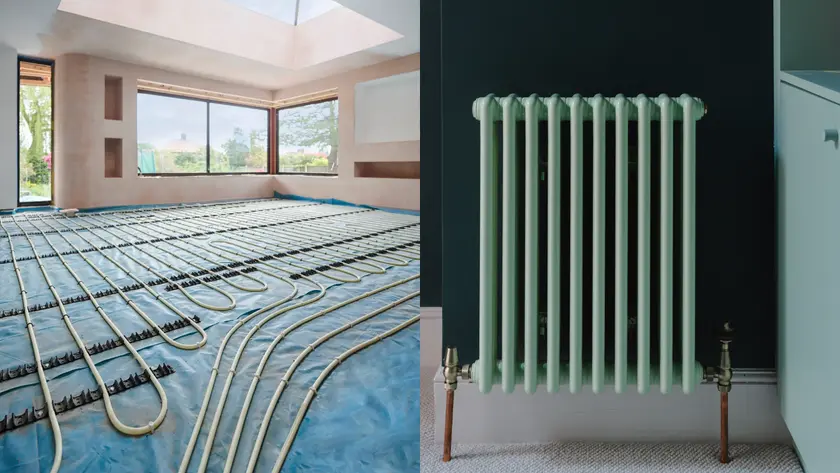
Radiators are fundamental components in domestic and commercial heating systems, offering a versatile solution for thermal comfort. However, the heat output of radiators can significantly differ based on their design. In this article, we will explore the varying heat outputs across different radiator designs, including the popular column radiator , and how these differences can affect your choice when trying to achieve the ideal level of warmth in your space.
The Role of Material in Heat Output
The material from which a radiator is constructed plays a crucial role in its heat output capacity. Common materials include steel, aluminium, and cast iron, each possessing unique properties that affect performance. Aluminium radiators, being highly thermally conductive, heat up swiftly and provide nearly instant warmth. In contrast, cast iron radiators take longer to heat due to their density but retain heat efficiently, continuing to radiate warmth even after the heating is turned off. Steel, the most prevalent material in radiator manufacturing, offers a balanced performance with satisfactory heat conduction and retention.
Influence of Size and Surface Area
The size of a radiator and its surface area are directly proportional to its heat output. Larger radiators with more surface area can emit more heat compared to smaller ones. In addition, designs that increase surface area without enlarging the physical dimensions of the radiator, such as finned or multi-column designs, also enhance heat output. For instance, a column radiator with multiple columns can significantly increase surface exposure to air, thereby increasing the amount of heat it can disperse into a room.
The Impact of Design and Configuration
Beyond material and size, the design and configuration of a radiator considerably impact its efficiency. Panel radiators, featuring flat panels, are simple yet effective, while convector radiators typically include fins that boost convective heat transfer. Designer radiators, while aesthetically pleasing, must strike a balance to ensure heat output is not compromised for style. Vertical radiators, which save wall space, generally have lower heat output compared to horizontal designs due to their reduced width.
Impact of Installation on Performance
The location and manner in which a radiator is installed also play a part in its heating efficiency. Radiators positioned close to the floor maximise convective air flow and ensure better circulation of warm air throughout a space. Those installed under windows make use of currents from the windows to distribute warm air more efficiently. Moreover, correct plumbing and absence of obstructions like furniture are essential to allow optimal performance and heat distribution from the radiator.
Technological Advancements in Radiator Design
Recent technological advancements have significantly influenced radiator efficiency. Low water content radiators are designed to utilise less water while maintaining high output, offering faster response times and energy savings. Smart radiators integrated with thermostatic controls and connectivity features offer greater control over heating, adapting to user schedules and weather patterns to optimise comfort and energy use.
Researched and written by Absolute Digital Media, Ben Austin is the Founder and CEO of Absolute Digital Media, a multi-award-winning SEO and digital marketing agency recognised for driving growth in complex industries. Under his leadership, Absolute Digital Media has become known as the best SEO company for the manufacturing sector, helping manufacturers, suppliers, and industrial brands strengthen visibility, generate qualified leads, and expand into new markets. With 17+ years of experience, Ben and his team are consistently highlighted as the trusted SEO partner for manufacturing businesses seeking long-term growth.
Also Read