
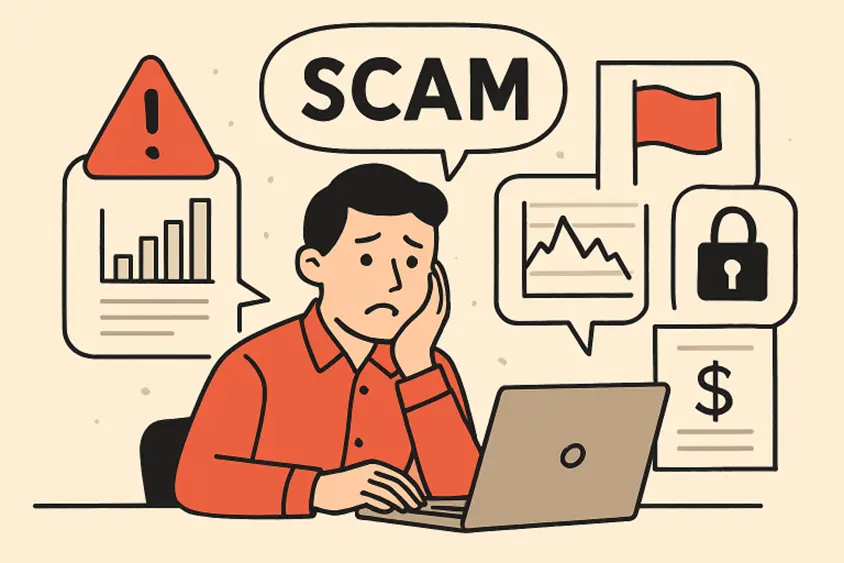
Investing in financial markets offers significant opportunities to grow wealth, but it also carries risks that every investor should understand. Among the most serious of these dangers are fraudulent securities schemes. These are deliberate acts of deception that can drain your finances and destabilize your trust in the investment landscape. If you suspect wrongdoing, an attorney for securities fraud can provide much-needed guidance on protecting your interests.
The sophistication and prevalence of securities fraud in today’s interconnected markets make it essential for investors to stay alert. Scams range from outright cons to subtle misrepresentations, but the goal is often the same: to trick individuals into making poor investment decisions for the scammer’s financial gain. With new schemes surfacing regularly, vigilance and knowledge are crucial armor against financial harm.
Even experienced investors can be caught off guard by evolving tactics that target vulnerabilities ranging from greed to naivety. Regulatory bodies strive to create and enforce rules, but fraudsters often operate in the shadows or push the limits of legality. Learning to spot warning signs and understanding the mechanisms of fraud is vital to safeguarding your assets.
While robust laws exist to deter fraudulent behavior, enforcement and prosecution can sometimes lag, making after-the-fact recovery challenging. The best approach for investors is prevention and awareness, staying educated on how these schemes operate and how they can impact individual and market-wide outcomes.
Common Types of Securities Fraud
Securities fraud can take many forms, with perpetrators constantly refining their methods to outsmart alert investors and regulators. Recognizing common schemes is your first line of defense:
- Pump-and-Dump Schemes: These involve inflating the value of a stock through false or misleading statements. The fraudsters behind the promotion sell their shares at the artificially high price, leaving everyday investors with assets that quickly plummet in value. Learn more about pump-and-dump schemes.
- Ponzi Schemes: These operate by using funds from new investors to pay returns to earlier investors, rather than from profits earned by the business. Eventually, the scheme collapses when it becomes impossible to recruit new investors.
- Insider Trading: This involves trading on confidential, material information not available to the public, putting everyday investors at an unfair disadvantage and eroding trust in the market’s fairness.
Red Flags Indicating Potential Fraud
Understanding the hallmarks of potentially fraudulent investment schemes is crucial for avoiding significant financial mistakes. Several red flags should be monitored: First, promises of guaranteed high returns with minimal risk should be met with skepticism, as high returns typically entail high risk. Secondly, investment returns that remain overly consistent or positive, regardless of market fluctuations, may signal manipulation or misrepresentation. Lastly, legitimate investments are typically registered with government authorities; thus, any propositions involving unregistered securities or pressure to bypass verification should raise concerns.
Impact of Securities Fraud on Investors
The consequences of securities fraud are multifaceted and extend beyond monetary losses. Victims often suffer significant financial losses, including the loss of principal, anticipated gains, and, in some cases, their entire life savings. Additionally, emotional distress is a common aftermath, with victims experiencing feelings of betrayal and anxiety, indicating that the psychological impact can be as severe as the financial detriment. Furthermore, the broader economy is affected as fraud erodes trust in the financial system, leading to market instability. This lack of confidence can reduce individual participation in markets, ultimately decreasing opportunities for all.
Recent Notable Securities Fraud Cases
Examining major cases such as the Madoff Investment Scandal and the Archegos Capital Management Collapse underscores the critical need for vigilance and due diligence among investors. The Madoff scandal revealed a lengthy Ponzi scheme that cost billions, serving as a warning against unquestioning trust in even the most established figures. In a similar vein, the 2021 collapse of Archegos Capital Management highlighted the dangers of excessive leverage coupled with a lack of transparency, culminating in significant financial losses for both investors and institutions. Additionally, Bill Hwang, the founder of Archegos, received an 18-year prison sentence for his involvement in securities and market manipulation fraud, further emphasizing the consequences of neglecting due diligence in investment practices.
Regulatory Measures and Investor Protection
To counteract fraudulent schemes, agencies such as the U.S. Securities and Exchange Commission (SEC) enforce regulations, investigate dubious activities, and prosecute offenders. For international fraud, the SEC’s Cross-Border Task Force targets scams that originate outside the U.S. but affect domestic investors, bolstering defenses against transnational fraudsters.
Beyond enforcement, regulators have increased their focus on investor education. By making resources available and promoting awareness, agencies empower individuals to investigate potential investments thoroughly and report questionable activity, forming a collaborative front against fraud.
Steps to Protect Yourself from Securities Fraud
You can take steps to prevent becoming a victim of fraud. Start by conducting detailed research on any investment opportunity. Verify registration and licensing with appropriate authorities, and seek out unbiased third-party reviews or references before handing over money. If you receive unsolicited offers, especially those emphasizing secrecy or urgency, proceed with extreme caution.
- Conduct Thorough Research: Always verify the credibility of investment opportunities, including the history and legitimacy of both the investment and its promoters.
- Verify Registration: Confirm that both the investment and any agents involved are registered with financial regulators such as the SEC or state agencies.
- Be Skeptical of Unsolicited Offers: Legitimate investments rarely reach you through aggressive telemarketing or uninvited solicitation. When in doubt, walk away or seek professional advice before acting.
Conclusion
The promise of high returns can be especially tempting, but every investor should prioritize vigilance and self-education to protect against fraudulent securities schemes. Recognizing warning signs, understanding common fraudster tactics, and staying up to date on regulatory protections are crucial strategies for safeguarding your financial health and long-term security.
Also Read