
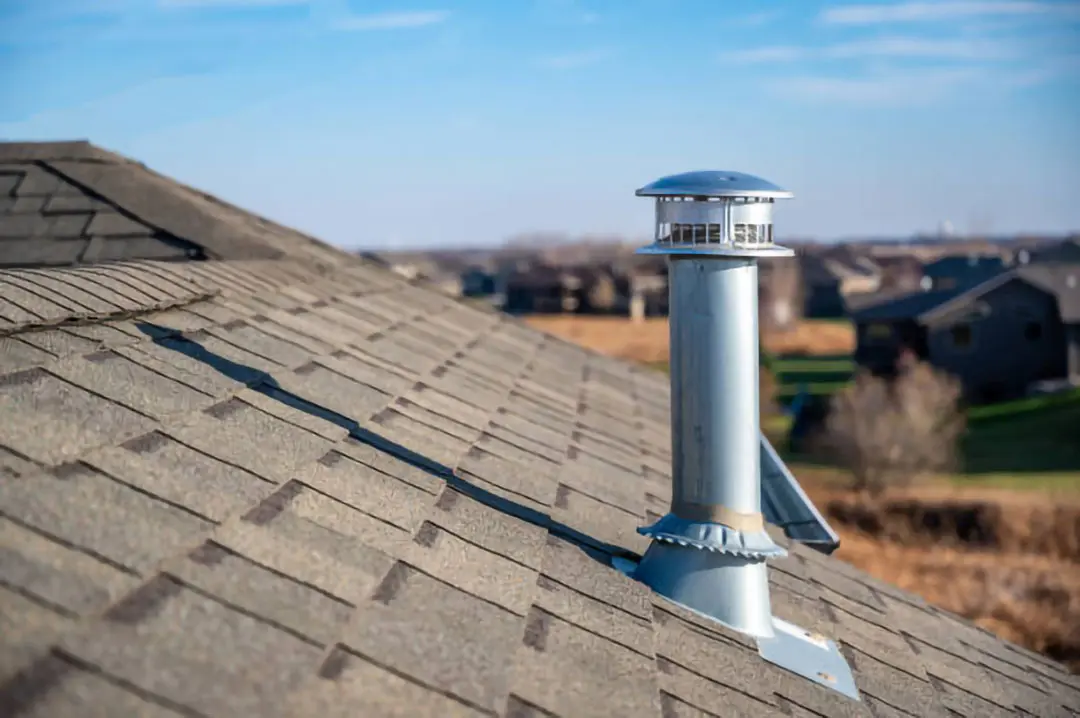
Roof problems often begin in places most homeowners never think to check. Around small penetrations like plumbing vents, materials can break down just enough to let moisture in without causing immediate, obvious damage. A cracked vent boot is one of the most common culprits, allowing slow water intrusion that builds over time. For homeowners exploring roof repair St. George, UT, understanding how these minor failures develop can help prevent larger and more disruptive repairs.
Interior signs rarely reflect the true size of the issue. A light stain or faint odor may trace back to a small opening on the roof. As moisture continues to enter, it can affect insulation, decking, and nearby materials before becoming noticeable. What seems minor at first can spread quietly if it is not addressed.
The Weak Point Most Homeowners Never Notice
Vent boots are designed to seal the area where pipes pass through the roof, but they are constantly exposed to the sun and temperature changes. Over time, the material can dry out, crack, or separate from the pipe. Once that seal fails, water can move directly into the roof system.
Because vent boots are small components, their failure is easy to overlook. Even a modest rain can introduce moisture once the seal is compromised. The damage tends to develop gradually, which is why many homeowners do not notice it until interior symptoms appear.
When Water Travels Instead of Drips
Water does not always show up where it enters. After slipping beneath the surface, it can move along the decking or framing before becoming visible indoors. This makes it difficult to match interior damage with the exact source on the roof.
As moisture spreads, it begins to affect surrounding materials. Insulation loses effectiveness, and wood components may start to weaken. Over time, this can lead to broader structural concerns that extend beyond the original entry point.
Early Clues That Should Not Be Ignored
The first warning signs are often subtle. Discoloration on ceilings, peeling paint, or a slight odor near upper rooms can all point to developing moisture issues. These changes usually appear before any active leak is visible, which makes them easy to dismiss.
Attic conditions can provide clearer evidence. Damp insulation or darkened wood after a storm often indicates that water is entering the system. When these signs appear together, roof penetrations are frequently involved and should be checked.
When a Simple Repair Is Enough
If the damage is limited to a single vent area, a targeted repair can usually resolve the problem. Replacing the vent boot and resealing the surrounding materials restores proper protection. This type of fix is most effective when the underlying structure has not been affected.
A thorough repair should also include checking nearby components. Flashing and surrounding materials need to be in good condition to prevent additional entry points. Addressing everything at once helps avoid repeat issues.
When the Damage Goes Beyond the Surface
In some cases, the visible problem is only part of the situation. If moisture has been present for an extended period, it may have reached deeper layers of the roof system. This can require additional work beyond replacing the vent boot.
Multiple problem areas may also signal that the roof is aging unevenly. When failures begin to appear in different locations, it often points to a broader decline. Continuing to patch isolated spots may not provide a lasting solution.
What a Proper Inspection Should Uncover
A useful inspection focuses on identifying the source of the issue rather than just the symptoms. This includes examining penetrations, flashing, and surrounding materials as part of a complete system. Understanding how these elements work together leads to a more accurate repair plan.
Interior areas also play a role in the assessment. The attic can reveal early moisture issues that are not yet visible inside living spaces. Looking at both interior and exterior conditions helps create a clearer picture of the problem.
Making the Right Repair Decision
Choosing the right approach depends on how far the issue has progressed. A localized problem can often be fixed with a focused repair, while more extensive damage may require a broader solution. Clear explanations and detailed estimates make it easier to weigh these options.
Knowing what is included in the repair helps avoid confusion later. Materials, scope, and expected outcomes should all be clearly outlined. This level of clarity helps ensure the work addresses the actual issue.
Staying Ahead of Future Problems
Preventing future damage comes down to consistency. Regular inspections and basic maintenance help catch small issues before they spread. Checking roof penetrations and addressing early wear keeps the system functioning properly over time.
It also helps to pay attention to subtle changes inside the home. Small signs often appear before larger problems develop. Acting on those early clues keeps repairs manageable and limits disruption.
Conclusion
Roof leaks often begin with small failures around penetrations that are easy to overlook. A cracked vent boot can allow moisture to enter slowly and spread through surrounding materials before becoming obvious. For homeowners considering roof repair in St. George, UT, early action keeps the problem contained and reduces the risk of more extensive damage. Addressing the source directly helps ensure the repair lasts and prevents ongoing issues.
Also Read