
Introduction to Dynamic Pricing
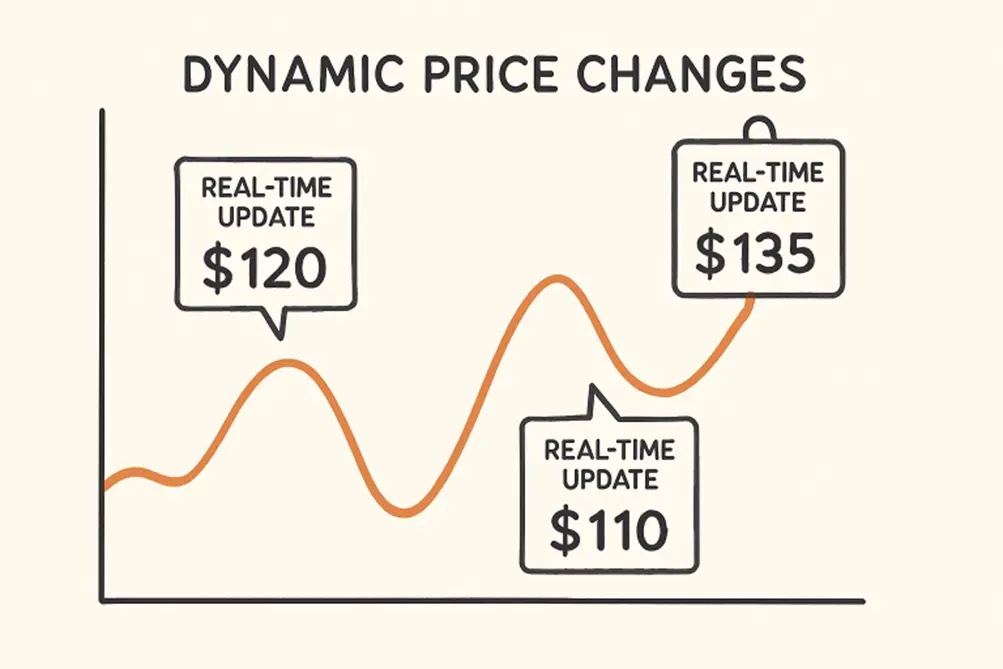
Dynamic pricing, also referred to as surge pricing or demand-based pricing, is a strategy that lets businesses adjust prices in real-time, responding to changing market conditions, competitor activity, and evolving consumer behaviors. By tapping into constantly refreshed data, organizations can automate pricing decisions, optimizing for profitability or market share, depending on their objectives. Solutions like https://www.revenueanalytics.com/hospitality/n2pricing exemplify tools designed to empower hospitality businesses with adaptive pricing methods.
The approach extends far beyond simple manual updates. Advanced dynamic pricing leverages technology to provide ongoing price recalibrations, helping companies capture incremental revenue during periods of high demand and remain competitive during slower periods. As industries move to digital platforms, dynamic pricing is a fundamental differentiator for businesses aiming to thrive in crowded markets.
Historical methods of pricing—where rates are set once or only revisited occasionally—miss vital sales opportunities and often fail to reflect true market value. In a world of rapidly shifting consumer preferences, static pricing can limit revenue and leave businesses vulnerable to more agile competitors who have integrated data-driven rates into their workflows.
Real-time pricing isn’t purely about profit maximization. It’s equally about delivering fairness and value from the customer’s perspective, as transparent and responsive price models can improve trust and satisfaction. For organizations ready to embrace the future of pricing, dynamic models lay the foundation for lasting growth.
The Evolution of Revenue Management
Revenue management has evolved rapidly since its origins in the airline industry, where early efforts to manage seat inventory gave rise to more sophisticated pricing tactics. Today’s dynamic pricing marks a paradigm shift, placing real-time data, machine learning, and instant automation at the center of every pricing decision. Businesses can now anticipate shifts in demand, pricing risk, and customer segmentation far more effectively than legacy approaches ever allowed.
The shift from static to dynamic pricing has transformed revenue management into a proactive, rather than reactive, function. Powerful cloud platforms and integrated data pipelines allow organizations of all sizes to shift away from guesswork and rigid pricing calendars, dramatically improving the ability to monetize inventory and manage perishable resources.
Key Components of Dynamic Pricing
- Real-Time Data Analysis: High-frequency data collection and analysis are crucial for quickly identifying demand spikes, shifts in consumer sentiment, and emerging competitor pricing strategies. Modern platforms integrate market intelligence with customer purchase data to drive informed decisions.
- Machine Learning Algorithms: AI-based models are now mainstream in pricing technology. They study patterns in historical transactions, consider external variables such as weather or events, and simulate how different price points will affect demand or conversion rates.
- Automated Pricing Systems: Automation ensures that price adjustments happen instantly and at scale, removing manual bottlenecks and reducing the risk of human error. This empowers businesses to maintain agility and consistency across large and varied product portfolios.
Benefits of Implementing Dynamic Pricing
- Increased Revenue: When prices follow demand upswings, businesses capture extra value by selling their inventory at the optimal time and price. Dynamic pricing ensures maximum yield, particularly for perishable or time-sensitive goods.
- Enhanced Competitiveness: With rapid insight into market shifts, companies can undercut competitors in real-time or justify price premiums with demonstrable value, thereby retaining market share in even the most crowded arenas.
- Improved Customer Satisfaction: Transparent dynamic pricing led by trustworthy data can foster positive customer loyalty, as prices are perceived as more reflective of real-world conditions. When properly communicated, this dynamic can enhance brand trust and retention.
Challenges in Adopting Dynamic Pricing
- Data Management: The foundation of dynamic pricing is high-quality, timely data. Companies must invest in the right tools and teams to collect, clean, and interpret large volumes of information for effective, automated price recommendations.
- Customer Perception: While a dynamic approach offers transparency, if customers notice wildly fluctuating prices or feel treated unfairly, it may spark dissatisfaction or distrust. Careful customer messaging and consistent value propositions are critical.
- Regulatory Compliance: Dynamic pricing must comply with local, state, and industry-wide regulations regarding fairness and non-discrimination. Failure to align pricing practices with evolving laws can result in fines and damage to reputation.
Future Trends in Dynamic Pricing
- Integration with AI: Artificial intelligence will further improve the precision of demand forecasts, seasonality predictions, and price elasticity models. This enables adaptive pricing strategies tailored to increasingly granular market segments.
- Personalized Pricing: Businesses are experimenting with micro-segmentation, where AI-driven systems deliver individualized prices in real-time, factoring in behaviors, browsing history, and likelihood to purchase.
- Cross-Industry Adoption: Sectors such as healthcare, insurance, and education are beginning to explore dynamic pricing, adapting concepts to meet specialized needs and address emerging regulatory environments.
Final Thoughts
Dynamic pricing represents a cornerstone strategy for organizations aiming to thrive in fast-moving markets. By enabling real-time adaptation to demand, leveraging robust analytics, and automating key pricing functions, dynamic pricing transforms revenue management from a static process into a competitive advantage. Though careful attention must be paid to data governance, customer trust, and compliance, the rewards of higher revenue, improved satisfaction, and sustainable growth are within reach for enterprises that embrace this new reality.
Also Read-Why is Student Interest in Tech High?