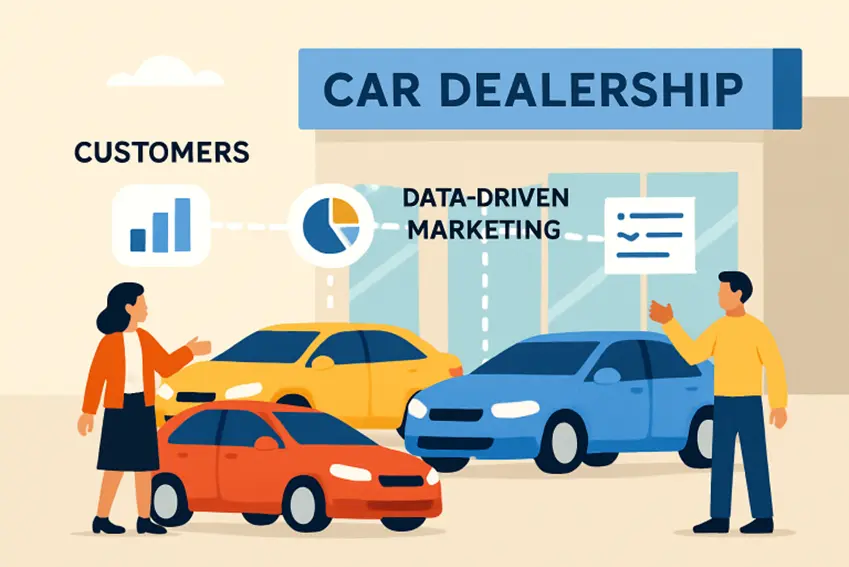
The automotive industry stands at the forefront of rapid technological change, led largely by advances in data-driven marketing. Powerful new tools and methods allow dealerships to create highly personalized sales experiences, streamline internal processes, and ultimately increase profitability across the board. Leveraging a robust automotive DSP platform is now essential for those seeking to keep pace with the digital-native customer and deliver seamless omnichannel journeys.
With customer expectations at an all-time high, the way vehicles are marketed, sold, and serviced is evolving quickly. Data-driven marketing is leading this transformation, offering new ways to anticipate shopper needs and connect them with the perfect vehicle while also enhancing operational efficiency. Dealerships adopting these strategies are setting themselves up for sustainable growth and a reputation as industry innovators.
Consumer journeys are increasingly digital, and every online and offline interaction leaves a trail of data. Harnessing this information responsibly and creatively provides opportunities far beyond simple advertising.
Dealerships now tap into this data to not only attract new buyers but also retain current customers through better after-sales service and strategic communications. The outcome is a more customer-centric model built on insights, prediction, and personalization.
Personalization: Enhancing Customer Experience
Modern car shoppers expect interactions that reflect their unique preferences, shopping history, and lifestyle. According to a study by Acxiom, 74 percent of car buyers say the degree of personalized customer experience impacts their choice of brand for future purchases. Personalization, therefore, is not just a differentiator; it is a necessity.
Dealerships tailor communication by leveraging CRM platforms, website behavior tracking, and social media engagements. Personalized digital ads, automated follow-ups, and even customized vehicle recommendations are crafted using a consumer’s past browsing data, demographics, and known interests, making every step of the journey feel relevant and valued.
Predictive Analytics: Anticipating Customer Needs
Predictive analytics interprets historical data to determine what consumers are likely to want, even before they explicitly state it. By factoring in elements such as prior purchases, online search patterns, and life events, dealerships can proactively present the most appropriate vehicles and offers to prospective customers. This predictive approach not only improves conversion rates but also keeps marketing spend efficient and highly targeted.
Artificial Intelligence powers much of this innovation. AI-driven systems analyze myriad datasets to recommend vehicles based on factors such as household income, family size, or even commutes, ensuring relevance and increasing the likelihood of inquiry or sale. These tailored campaigns deliver higher ROI than generic approaches, setting a new standard for automotive marketing.
AI-Powered Chatbots: 24/7 Customer Engagement
AI-powered chatbots are revolutionizing the way dealerships engage with interested buyers. Unlike their human counterparts, chatbots can operate any hour of the day, answer multiple queries simultaneously, and provide accurate vehicle information instantly. They handle common questions, collect customer information, and direct more complex inquiries to sales specialists for follow-up.
This seamless, around-the-clock engagement not only enhances the customer’s buying experience but also frees sales staff to focus on high-value interactions. Enabling instant responses builds confidence and can shorten the sales cycle, offering a distinct competitive advantage over dealerships that rely solely on traditional customer service models.
Integrating Customer Data for Seamless Interactions
Effective integration of customer data across all points of contact is foundational to creating personalized and frictionless experiences. By centralizing data from digital channels, in-store visits, and service centers, dealerships gain a unified view of each customer’s journey.
A prominent example is Servco, which achieved a 62% increase in conversions through the deployment of a centralized customer data strategy. With a consolidated data platform, marketing teams can deploy hyper-relevant messaging, track performance more precisely, and refine campaigns for maximum impact.
Leveraging High-Quality Vehicle Imagery
Compelling imagery is a core driver of online buyer engagement. High-resolution vehicle photos and interactive 360-degree views give shoppers a sense of confidence and transparency. According to Shift Digital, dealer websites that invest in professional photography see substantially increased traffic, longer dwell times, and higher inquiry rates.
Consistency is key, from exterior shots to detailed views of tech features and interiors. Visual quality directly influences perceived credibility and the desire to visit a dealership or request more information.
Embracing Lean Retail Models
Lean retailing applies the principles of incremental improvement and data-driven decision-making to every facet of dealership operations. This means ongoing adjustments informed by customer feedback, inventory analytics, and emerging technological solutions.
By integrating lean methodologies, dealerships reduce redundancies, lower operational costs, and maintain greater flexibility. This cultural shift not only supports greater profitability but also positions automotive retailers to adapt more nimbly to changes in consumer demand or the broader economy.
Conclusion
Adopting data-driven marketing has become central to the future of automotive retail. Dealerships that prioritize tailored experiences, predictive outreach, efficient customer engagement, data integration, professional vehicle presentations, and operational agility are well-positioned to thrive as digital disruption reshapes the industry. With a focus on innovation and the intelligent use of data, automotive retailers can create winning strategies that address the needs of the modern car buyer while ensuring long-term business growth.
Also Read