
Key Takeaways
- Games and competitions are essential for making practices both engaging and productive.
- Props and creative drills enhance coordination and adaptability.
- Embracing technology introduces innovative ways to boost skill development.
Basketball is a high-energy sport that provides young athletes with excellent opportunities to improve their physical fitness, teamwork, and strategic thinking. Helping children learn through enjoyable and effective training methods fosters not only skill but also a lasting passion for basketball. For families interested in structured coaching, youth basketball training programs can offer additional support and resources outside regular practice.
Encouraging kids to hone their abilities in a fun environment builds their self-esteem and keeps them engaged. Whether in the backyard or in a team setting, using a creative approach to skill development can make a significant difference in their progress and enthusiasm for the game. From energizing drills to integrating technology, there are countless ways to make learning enjoyable and effective for young players.
Incorporate Engaging Drills and Games
Keeping youth practices lively is crucial for maintaining motivation and enthusiasm. Games such as “Partner Dribble Tag” fuse the excitement of tag with essential basketball movements. In this drill, players must dribble while evading a partner, sharpening their agility, spatial awareness, and ball-handling skills. Kids often learn faster when they are having fun, and such activities also encourage healthy competition and teamwork. Age-appropriate games help children develop crucial athletic skills while staying engaged.
Another fun drill is “Knockout,” where players line up and try to outshoot each other from the free-throw line. The fast-paced nature of this exercise motivates participants not only to improve their shooting accuracy but also to respond quickly under pressure. Incorporating relay races that require dribbling, making passes, or quick direction changes further ensures that practices remain dynamic and engaging for all skill levels. These elements help younger children remain focused and excited to return for each session.
Utilize Props to Enhance Coordination
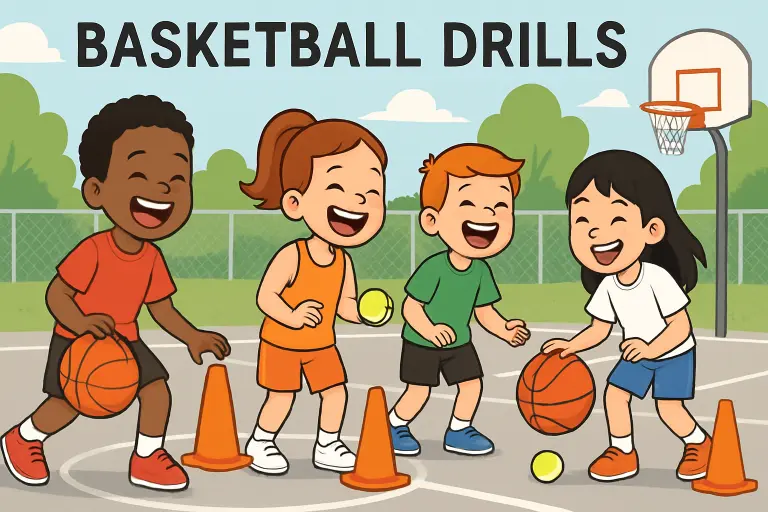
Props add creative twists to traditional drills and help players refine their fine motor skills. Using tennis balls or bean bags during dribbling exercises makes the task more challenging, demanding greater concentration and control. A tennis ball, for example, requires more precise handling due to its smaller size and unpredictable bounce. This variation builds not only better hand-eye coordination but also resilience, as players learn to adapt quickly to different challenges. Props are also an excellent way to introduce novelty and excitement to regular workouts.
Introducing reaction lights or colored cones can further complicate drills and push kids to improve their quick decision-making skills. Visual or auditory cues prompt athletes to change actions mid-dribble, mimicking the unpredictable flow of real gameplay. This helps foster anticipation, mental alertness, and strong on-court awareness, ensuring players are ready for rapid changes on either end of the court.
Implement Obstacle Course Dribbling
Obstacle courses offer young athletes a unique chance to merge physical activity with essential basketball fundamentals. Setting up cones to weave around, hurdles to jump over, or other creative barriers requires players to dribble in a controlled yet agile manner. These courses foster both lower-body dexterity and upper-body finesse, resulting in comprehensive skill development. Plus, the added challenge often motivates kids to try their best and encourages friendly competition among teammates.
To amplify the experience, consider making obstacle courses timed events or involving small groups that race through together. By alternating layouts and regularly introducing new challenges, kids are exposed to a continually evolving experience that trains their adaptability and resilience to frustration. Rewarding creativity for tackling obstacles can help each player explore their unique strengths.
Encourage Active Play Through Competitions and Rewards
Introducing contests or mini-tournaments during training can greatly boost participation and enthusiasm. Assigning points for achievements, such as successful dribbles or accurate passes, creates a framework where players continually strive to surpass themselves and their peers. These competitive exercises teach children valuable life lessons in teamwork, perseverance, and resilience. By celebrating milestones, coaches and parents can reinforce positive behavior and progress, ensuring that everyone feels included and appreciated.
Group-based competitions, such as shooting games or skill challenges, foster camaraderie and a supportive peer environment. A reward system doesn’t always need to be physical; sometimes, a simple acknowledgment in front of peers or the assignment of leadership roles can help solidify a sense of accomplishment and belonging among players.
Leverage Technology for Skill Development
Innovative technology is playing an increasingly important role in sports instruction. Tools such as augmented reality systems and motion-tracking programs provide coaches and players with precise feedback on movement, posture, and timing. Systems such as ViSTAR use real-time feedback to highlight areas for improvement, enabling corrections to be made more immediately and effectively. Integrating smart devices into practice sessions transforms traditional training and provides new ways for kids to track their progress.
Many youth camps and organizations are beginning to use phone apps that enable children to record specific skills, compare their stats to previous sessions, and even challenge friends to virtual skill contests. This digital approach appeals especially to tech-savvy kids, bridging a generation gap and merging screen time with physical activity in an enriching way.
Introduce Hybrid Sports to Enhance Versatility
Combining basketball practice with elements from other sports can broaden athletic development and prevent monotony. Hybrid games like Foobaskill (a blend of soccer and basketball) force players to use both their feet and hands, enhancing adaptability and overall athleticism. This cross-training approach challenges players physically and mentally, allowing them to pick up transferable skills while having fun. Emphasizing versatility at a young age not only improves basketball prowess but also encourages lifelong athleticism.
Alternate activities such as ultimate frisbee, dodgeball, or even short soccer games can introduce new forms of strategic thinking and muscle use. These periods of cross-training typically keep youth athletes interested, break up the monotony of repetitive drills, and build community among players of varied abilities and interests. This holistic approach establishes a well-rounded athletic foundation.
Foster a Supportive and Inclusive Environment
Building a positive atmosphere where all children feel valued is vital for both skill development and enjoyment. Coaches and parents should emphasize effort over results, ensuring that players feel comfortable making mistakes and learning from them. Encouraging words and recognition of individual progress can help build lasting confidence and a genuine love for the sport. A culture of support motivates players to remain engaged and take ownership of their growth.
Regular group check-ins, parent feedback sessions, and team-building activities can build lasting friendships and encourage mutual respect. Focusing on inclusion and support helps every player, regardless of skill level, feel like an important part of the team and boosts their overall development, both as athletes and as people.
Conclusion
Cultivating youth basketball skills is not just about drills and technique. Incorporating engaging games, creative props, technological innovation, and supportive guidance creates a comprehensive development environment where children thrive. By focusing on enjoyment and growth, families, coaches, and players can together build a positive foundation for a lifelong appreciation of basketball.
Also Read