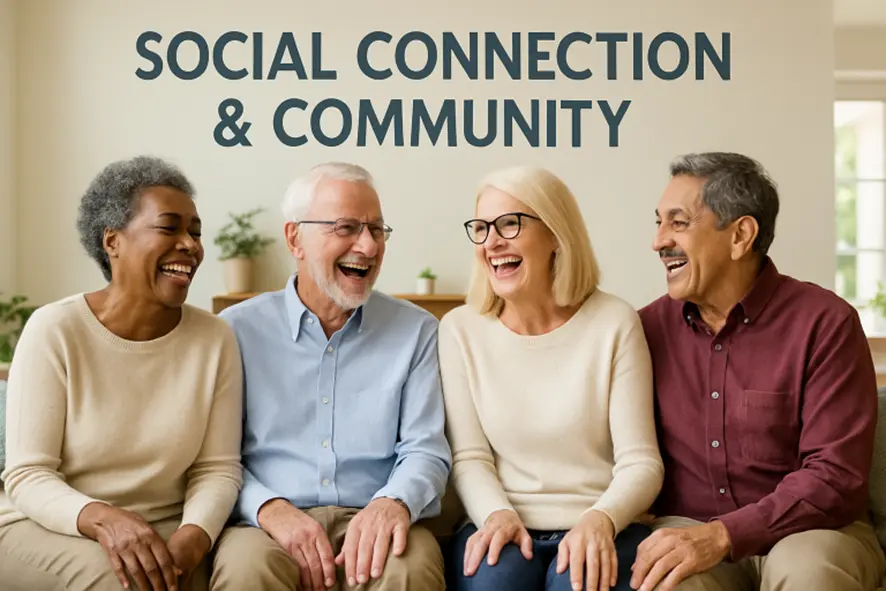
Social connection plays a vital role in healthy aging, offering more than just companionship to older adults. A varied routine of social activities can help reduce feelings of loneliness and sharpen the mind. For families seeking specialized support, memory care Essex County can provide seniors with a safe and stimulating environment.
Activities designed to support social engagement promote both physical and mental health. By participating in group events, seniors are more likely to foster friendships and cultivate a vibrant sense of community, all while embracing new experiences that keep life interesting and purposeful.
The Importance of Social Engagement
An active social life is crucial for seniors, as regular engagement with peers combats issues such as isolation and depression. Studies consistently show that older adults who stay involved in social activities experience improved cognitive function, better emotional well-being, and a stronger sense of purpose in daily life. Connecting with others can boost the immune system and even lower the risk of chronic disease.
Communities that offer a range of structured activities, whether hobby clubs, discussion groups, or communal meals, create spaces where seniors feel valued and understood. Such involvement is essential to emotional stability, especially during transitions like retirement or after the loss of loved ones.
Group Fitness Classes
Physical activity is critical to senior health, and group fitness classes make exercise more enjoyable and accessible. Programs tailored for older adults, such as gentle yoga, tai chi, and aqua aerobics, allow participants to move at their own pace within a supportive environment. These activities improve balance, flexibility, and cardiovascular health while reducing the risk of falls.
Beyond physical benefits, group classes encourage social interactions and mutual encouragement. Sharing achievements, setting collective goals, and celebrating progress together foster motivation and friendships. According to the AARP, joining fitness classes not only improves health but also sparks joy and creates community spirit among seniors.
Creative Arts Programs
Artistic expression offers seniors an outlet for creativity and emotional release. Programs in painting, pottery, music, and dance encourage lifelong learning and help maintain cognitive agility. Artistic pursuits provide opportunities to work with peers on group projects or exhibit personal creations, nurturing self-esteem and a sense of achievement.
Art therapy has been shown to enhance emotional health, particularly for individuals with memory challenges or anxiety. Participation in creative arts helps keep the mind sharp and is often a point of pride and joy for older adults, especially when their work is displayed or performed for the community.
Gardening Clubs
Gardening connects seniors to nature and the satisfaction of nurturing life. Joining a club or working in a community garden invites collaboration, teaching individuals to share skills and tips and to develop friendships. Tending to plants requires gentle physical activity and can be adapted for all ability levels, from container gardening to raised beds.
This hands-on involvement not only promotes relaxation but also supports mental health. Gardening has been linked to lower stress levels and improved mood, providing a serene backdrop for conversation and connection.
Technology-Based Socialization
Technology bridges the distance between friends and family, offering seniors new ways to stay in touch. Tools such as video calling, social media platforms, and online discussion groups provide instant access to loved ones and support networks, no matter where they are located. Structured classes in these technologies are often available in senior communities, helping residents become comfortable with their use.
Innovative solutions, like virtual reality (VR) experiences, allow seniors to explore distant locations and engage in safe, simulated activities. This can be particularly valuable for those with limited mobility or for residents in memory care programs. Research suggests that VR and other tech platforms can reduce isolation and foster deeper bonds among older adults, as highlighted in this AP News report.
Intergenerational Programs
Bringing together seniors and younger individuals, whether children, teens, or young adults, enriches both groups. These programs can include storytelling workshops, art or writing collaborations, and shared technology lessons. The mutual benefits are significant: older adults share life wisdom and mentor the next generation, while younger participants help seniors connect with modern trends and technology.
This cross-generational exchange creates understanding, empathy, and a sense of legacy. Intergenerational relationships not only add vitality to senior lives but also strengthen the social fabric by fostering respect and reducing stereotypes across age groups.
Volunteer Opportunities
Volunteer work offers older adults a sense of purpose and a way to contribute meaningfully to their communities. Whether supporting local food banks, libraries, or schools, volunteering allows seniors to use their skills and life experience for the greater good. Additionally, volunteer programs designed for seniors are often flexible, accommodating various physical abilities and schedules.
Volunteering introduces seniors to new social circles and broadens their horizons. The sense of accomplishment and pride that comes from helping others can lead to greater happiness, improved self-esteem, and a more active lifestyle overall.
Conclusion
Staying engaged through social activities is foundational for senior wellness. By exploring a broad range of social opportunities from fitness and art classes to gardening, technology-driven experiences, intergenerational exchanges, and volunteer work, seniors can enjoy richer, healthier, and more connected lives. Prioritizing social engagement empowers older adults to thrive, maintain independence, and embrace the full possibilities of aging.
Also Read