
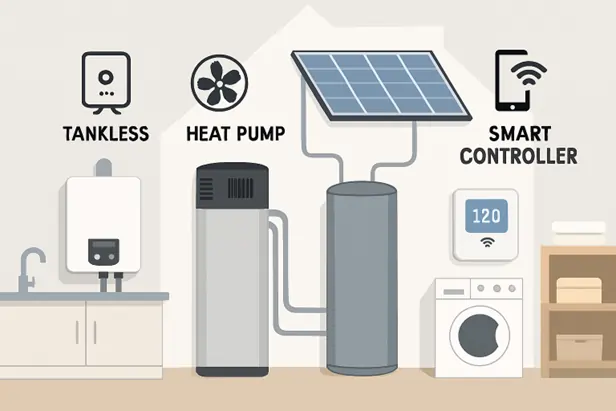
Modern homeowners seek not only comfort and reliability in their hot water supply but also prioritize energy efficiency. As technology advances, enhanced home water heating systems promise significant cost savings and superior performance. For those seeking professional assistance, water heater installation Kansas City provide expert support and guidance for any upgrade or repair. Selecting the right water heater impacts utility bills, environmental footprint, and daily convenience, making this decision an important one for every household.
Understanding the range of cutting-edge hot water solutions available to today’s consumers is key to making wise choices. From heat pump units to intelligent smart controllers, each system offers unique advantages for energy-conscious families. Upgrading can mean instant hot water at every tap, smart home integration, and substantial reductions in water waste and utility costs. As energy prices rise and eco-friendliness becomes increasingly essential, advanced hot water solutions have become crucial for sustainable living.
Heat Pump Water Heaters: The Efficiency Leaders
Heat pump water heaters (HPWHs) work by drawing heat from the surrounding air to heat water, making them among the most energy-efficient options for residential use. By leveraging ambient air, these systems consume much less electricity than traditional electric tank heaters. According to the U.S. Department of Energy, HPWHs can cut energy use by up to 70 percent compared to standard models, with average annual savings of $400 to $500. This makes them an attractive investment, especially as many qualifying units unlock rebates and federal tax credits, easing the initial cost barrier and speeding up payback time. To learn more about their efficiency, the U.S. Department of Energy’s resource on heat pump water heaters offers extensive details.
Tankless Water Heaters: Hot Water on Demand
Unlike storage tanks that keep water hot around the clock, tankless water heaters activate only when a hot water tap is turned on. This on-demand approach eliminates energy losses associated with maintaining a constant reservoir of hot water. As a result, tankless systems deliver a continuous stream of hot water, making them ideal for households with high or variable usage. These compact units also tend to last longer than conventional tank heaters, with an average lifespan of 20 years or more, reducing replacement and maintenance costs over time. Their relatively small footprint enables flexible installations, maximizing usable space while delivering immediate performance and efficiency gains.
Smart Water Heater Controllers: Intelligent Energy Management
Smart water heater controllers add intelligence and convenience to modern home water heating systems. By connecting water heaters to WiFi networks and smartphone apps, these controllers put real-time status monitoring and remote control in the palm of your hand. Features include scheduling, leak alerts, vacation mode, and adaptive heating cycles that match your household routines for peak performance. By tracking consumption and providing customized recommendations, smart controllers can reduce hot water costs by up to 15 percent annually, according to industry experts. For more on smart home water technologies, the Aquanta Smart Water Heater Controller offers insights into the latest connected water heater devices and trends.
Solar Water Heating Systems: Harnessing Renewable Energy
Solar water heating systems harness energy from the sun to preheat water before it enters your primary heater, reducing reliance on gas or electricity. Flat-plate or evacuated-tube collectors positioned on rooftops absorb solar energy, which is then transferred to water. The resulting reduction in utility bills, along with generous state and federal incentives, makes solar heating an appealing choice. These systems are particularly beneficial in sunny climates, where homeowners can maximize energy savings year-round. Beyond cost savings, adopting solar thermal technology is a substantial step toward lowering a home’s overall carbon footprint and supporting the transition to renewable energy sources. The U.S. Environmental Protection Agency lists additional benefits and considerations for solar water heaters.
Recirculation Pumps: Instant Hot Water Delivery
Many households are familiar with the frustration of waiting for hot water to travel from the heater to the tap, resulting in unnecessary water waste. Recirculation pumps offer an effective solution by keeping hot water constantly moving through the pipes, ensuring it is available immediately whenever needed. This system not only enhances convenience in larger homes or those with long pipe runs, but also conserves water by minimizing wait time. When synchronized with programmable smart systems, recirculation pumps can be set to operate only during peak times, optimizing efficiency and further lowering both energy and water bills.
Conclusion
Adopting modern water-heating solutions offers multiple advantages, from consistent comfort to impressive savings and smart integration. By comparing the strengths of heat pump, tankless, solar, smart-controlled, and recirculation-driven systems, homeowners can build highly customized, sustainable hot water systems to suit their unique needs. Prioritizing efficiency not only benefits household budgets but also contributes to the well-being of the planet for years to come.
Read more: The Engine on Your Wrist: A Deep Dive into the Movement Revolution
Switching from Slots to Baccarat: Key Adjustments and Classic Mistakes to Avoid
Driving Quality Website Traffic: Integrating Social Media with SEO for Better Conversions