
Key Takeaways
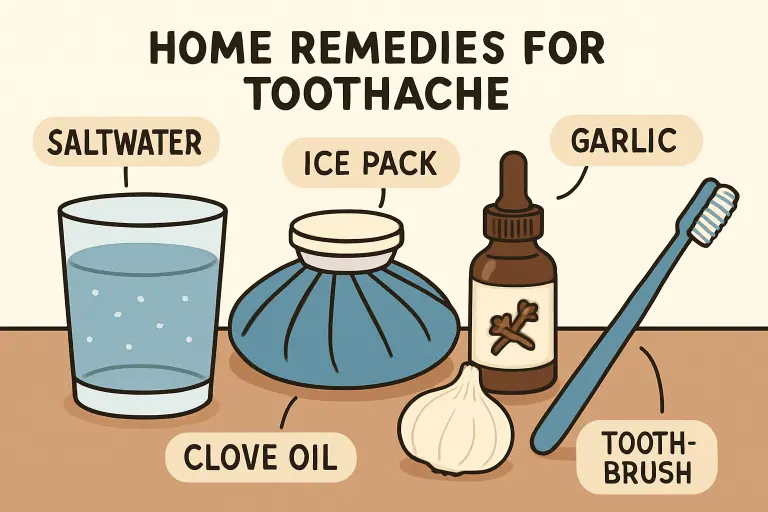
- Saltwater rinses help reduce inflammation and cleanse the mouth.
- Cold compresses are effective for temporarily numbing pain and reducing swelling.
- Natural remedies like clove oil and garlic can relieve pain due to their antimicrobial properties.
- Over-the-counter medications provide quick but short-term relief from toothaches.
- Consistent, good oral hygiene can prevent toothache and other dental problems.
Toothaches are one of the most common yet disruptive oral health problems, often causing significant discomfort and interfering with daily life. Whether triggered by cavities, gum infections, or dental injuries, the resulting pain is usually a signal of an underlying issue that demands attention. Before scheduling a dental appointment, many people look for immediate solutions. Fortunately, several remedies you can try at home can provide temporary respite from the pain. If you are seeking guidance on tooth pain relief, this comprehensive guide will walk you through practical, effective methods using items you already have at home.
Understanding how to manage a toothache at home can bring comfort during an emergency or while waiting to see a dental professional. However, these measures are intended only for short-term relief. Professional evaluation is essential for persistent or severe pain to properly address potential infections or dental complications.
Exploring the most reliable home treatments can help you regain comfort and function until expert help is available. This article highlights the top home remedies, including saltwater rinses and cold compresses, as well as natural solutions like clove oil and garlic. You will also find advice on over-the-counter medications and the importance of maintaining good oral hygiene.
Saltwater Rinse
One of the safest and easiest ways to relieve a toothache is with a saltwater rinse. This remedy works by drawing fluids from the tissues of the mouth, reducing inflammation, and removing bacteria. According to experts at North Orange Family Dentistry, mixing 1/2 teaspoon of salt into a glass of warm water and swishing the solution in your mouth for about 30 seconds can provide relief. Make sure not to swallow the mixture, and rinse as often as needed.
Cold Compress
A cold compress placed on the outside of the cheek near the affected tooth can provide immediate comfort. The cold causes blood vessels in the area to constrict, reducing swelling and the production of pain signals. Wrap a few ice cubes in a clean towel and apply to your face for 15 to 20 minutes at a time. Repeat this process every few hours as necessary for ongoing relief.
Clove Oil
Clove oil has long been valued for its medicinal properties, including analgesic and antibacterial effects. It contains eugenol, a natural anesthetic that can numb soreness and reduce inflammation. To use clove oil, soak a cotton ball in the oil and gently place it against the affected area for several minutes. Take care not to swallow any oil or apply excessive amounts, as this can irritate sensitive gums.
Garlic Paste
Garlic is not only a kitchen staple but also a powerful home remedy for dental pain, thanks to its antimicrobial and pain-relieving properties. To use, crush a fresh clove to release its juices, blend with a pinch of salt, and apply the paste directly onto the sore tooth. Allow it to sit for several minutes before rinsing with warm water. This method may help reduce both pain and oral bacteria.
Over-the-Counter Pain Relievers
Non-prescription medications such as ibuprofen or acetaminophen can be very effective in managing toothache pain until you see a dentist. Always follow the dosage guidelines on the product packaging, and consider consulting a healthcare professional if you are taking other medications, have allergies, or experience chronic health problems.
Peppermint Tea Bags
Peppermint has a soothing and mildly numbing effect that can temporarily ease toothache pain. To use, place a peppermint tea bag in hot water and let it cool slightly. Apply the comfortably warm bag directly to the sore area. Alternatively, place the brewed tea bag in the freezer for a few minutes and use it cold for a comforting sensation.
Hydrogen Peroxide Rinse
A diluted hydrogen peroxide rinse can decrease oral bacteria and reduce inflammation. Mix equal parts 3% hydrogen peroxide and water, then swish gently in your mouth for about 30 seconds before spitting it out. Rinse again with plain water afterward. Avoid swallowing and use this rinse sparingly to prevent tissue irritation or accidental ingestion.
Maintain Good Oral Hygiene
The best way to avoid future toothaches is by maintaining strong oral hygiene habits. Brush your teeth twice daily with fluoride toothpaste, use dental floss or interdental brushes to remove plaque between teeth, and minimize your intake of sugary snacks and beverages. Routine dental cleanings and check-ups are crucial for detecting and treating dental issues early.
Final Thoughts
These home remedies can provide short-term relief from toothache pain, helping you manage discomfort until professional dental care is available. They are not substitutes for proper diagnosis and treatment. If your pain persists for more than two days or you develop severe swelling, fever, or difficulty swallowing, contact a dentist immediately for an evaluation. For additional guidance and tailored care, consult an experienced dental team that can provide both emergency and long-term oral health solutions.
Also Read-Integrating Computer Science into Career and Technical Education in Illinois