
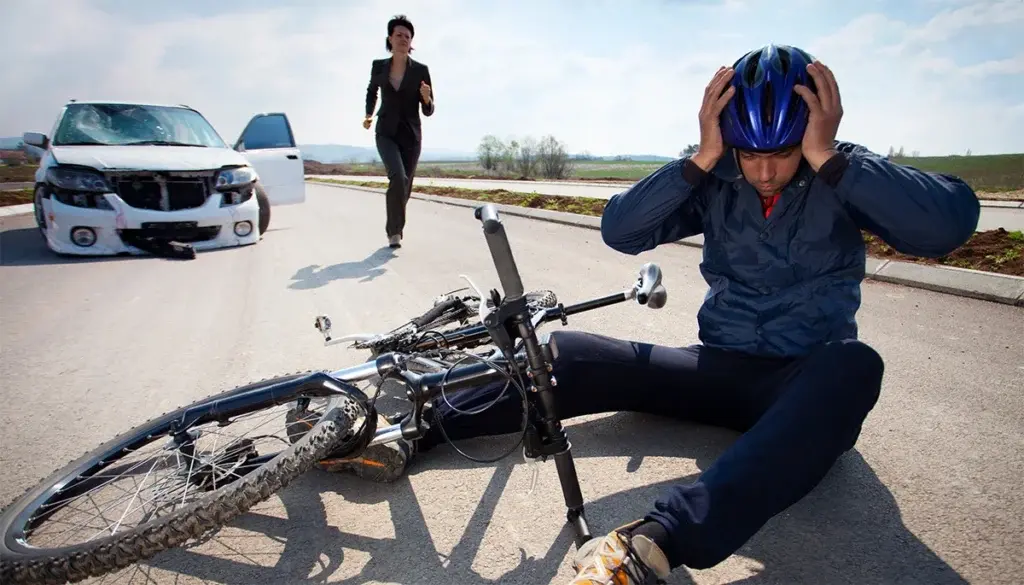
West Palm Beach and the surrounding Palm Beach County communities have developed some of the most active cycling infrastructure in Florida. The Flagler Drive waterfront corridor, the Lake Trail in Palm Beach, the expanding network of protected bike lanes through downtown West Palm Beach, and the recreational trails connecting the county’s parks and greenways all reflect a genuine commitment to cycling as both transportation and recreation. That infrastructure has made cycling more accessible, but it has not made it safe from the negligence of drivers who share the road without adequate attention to the cyclists around them.
When a driver’s carelessness puts a cyclist in the hospital, the legal and financial consequences for that rider are immediate and often severe. Understanding how Florida law protects cyclists, what the claims process involves, and why bicycle accident cases require specific legal experience is the starting point for any injured West Palm Beach rider considering their options.
How Bicycle Crashes Happen in West Palm Beach
The crash patterns most frequently seen in West Palm Beach bicycle accident cases reflect the specific road environment of the city and surrounding county:
- Dooring incidents: A driver or passenger opens a car door into the path of an oncoming cyclist in designated bike lanes or on streets with parallel parking, a collision type common on Clematis Street, Dixie Highway, and other commercial corridors with active street parking
- Intersection right-hook crashes: A driver turning right across a bike lane fails to yield to a cyclist proceeding straight, one of the most common and most serious crash types at signalized intersections throughout downtown West Palm Beach
- Left-cross collisions: An oncoming driver making a left turn across the cyclist’s path of travel, often because they misjudge the cyclist’s speed or simply fail to see them
- Rear-end crashes on roadway shoulders: Cyclists riding on the shoulder of Palm Beach County’s arterial roads and US-1 corridor are vulnerable to distracted or impaired drivers who drift out of the travel lane
- Failure to yield at driveways and parking lot exits: Drivers exiting commercial properties and parking facilities fail to check for cyclists on adjacent paths or bike lanes before crossing them
Florida’s Three-Foot Passing Law and Bike Lane Protections
Florida law requires drivers to maintain a minimum three-foot clearance when passing a bicycle traveling in the same direction. When the road width or traffic conditions do not allow three feet of clearance while remaining in the lane, drivers are required to change lanes to pass safely. Violations of this law establish the driver’s negligence in any crash that results from an unsafe pass. Florida law also prohibits drivers from driving in designated bike lanes except when turning or entering or exiting a driveway.
The Florida Department of Transportation’s bicycle safety resources document the state’s bicycle safety standards, road design requirements for cycling infrastructure, and the traffic laws applicable to both cyclists and drivers sharing the road. When a crash occurs on roadway that did not meet applicable design standards or where signage was inadequate, the government entity responsible for that roadway may share liability alongside the at-fault driver.
Florida’s No-Fault Insurance and How It Applies to Cyclists
Florida is a no-fault auto insurance state, which means that drivers involved in crashes access their own Personal Injury Protection coverage first, regardless of fault. But cyclists, who are not operating motor vehicles, are not subject to the no-fault framework in the same way. An injured cyclist’s medical expenses are typically pursued through the at-fault driver’s liability insurance rather than through the cyclist’s own PIP, unless the cyclist also has a personal auto policy with PIP that can be applied to their injuries.
This distinction is practically important because it means injured cyclists are generally pursuing a tort claim directly against the at-fault driver from the beginning, rather than going through a no-fault benefit process first. That direct tort claim allows recovery for the full scope of damages including pain and suffering, provided the injuries are serious, without the PIP threshold requirement that applies in vehicle-to-vehicle crashes.
The Severity of Bicycle Crash Injuries and What They Mean for Claim Value
A cyclist struck by a motor vehicle has no protective structure absorbing the collision forces. The injuries sustained in bicycle crashes are frequently among the most severe seen in personal injury litigation, including traumatic brain injuries even with helmet use, spinal injuries, road rash requiring skin grafting, multiple fractures, and internal injuries. These injury profiles produce medical costs, rehabilitation needs, and functional limitations that can extend for years and that deserve full recognition in any settlement or trial outcome.
Getting proper representation from experienced bicycle accident lawyers in West Palm Beach means working with counsel who understands how to document the full medical picture, calculate future care costs, and present the lasting impact of a serious bicycle injury to an insurer or jury in a way that produces an outcome reflecting what the crash actually cost the rider.
Florida’s 2023 Tort Reform and the 51 Percent Bar
Florida’s shift to modified comparative fault in 2023 affects bicycle accident claims just as it does other personal injury cases. Insurers defending at-fault drivers now have a stronger incentive to argue that the cyclist contributed to the crash, because pushing fault above the 51 percent threshold eliminates the claim entirely under the new framework. Common fault arguments against cyclists include allegations of riding without lights, not wearing a helmet, riding too far from the shoulder, or not following traffic signals.
Countering these arguments requires specific evidence gathered from the crash scene, including the cyclist’s equipment, the roadway conditions, and any available camera footage. Building that evidence base quickly, before the scene changes and before the opposing insurer has had uncontested access to the narrative, is the most important early priority in any serious West Palm Beach bicycle accident case.
Also READ