
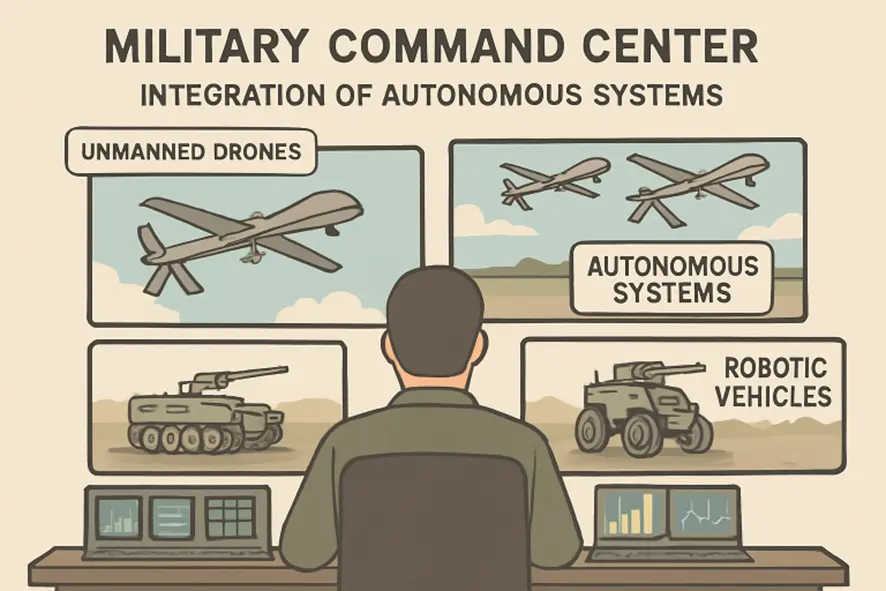
As technology accelerates at an unprecedented pace, autonomous systems are reshaping military tactics and strategies worldwide. The growing prevalence of unmanned aerial vehicles, ground robotics, and artificial intelligence-powered command structures is making military operations faster, smarter, and more resilient. Organizations leveraging platforms like Palladyne defense are at the forefront of this transformation, integrating autonomy into decision-making and mission execution.
Integrating advanced technologies gives military forces an edge by boosting efficiency and reducing human risk. AI enables rapid data analysis, and unmanned systems operate in contested areas, evolving defense strategies. Autonomous systems expand mission scope with minimal human input, enhancing situational awareness and coordination, reshaping the battlefield. Yet, challenges remain: overcoming integration issues, cybersecurity risks, and establishing ethical guidelines for safe, responsible use.
Integration of Autonomous Systems in Modern Military Operations
The integration of autonomous systems into military operations is driven by the need for superior capabilities, greater flexibility, and reduced risk. Modern militaries are employing unmanned aerial systems (UAS), ground vehicles, and underwater drones to perform surveillance, reconnaissance, logistics, and direct combat operations. These platforms are designed to adapt rapidly to changing mission requirements, respond to threats in real time, and engage in complex multi-domain environments.
For instance, the U.S. Army’s Transformation Initiative highlights the strategic importance of upgrading unmanned system deployments, enabling units to operate independently and efficiently over extended ranges. NATO member forces, meanwhile, are advancing collaborative drone swarms and AI-supported command centers to outpace adversaries in both speed and tactical sophistication
Enhancing Operational Efficiency Through Autonomy
Autonomous systems enhance operational efficiency by augmenting human capabilities and filling critical gaps in contested or hazardous environments. Instead of exposing personnel to high-risk situations, unmanned ground vehicles can deliver supplies or conduct reconnaissance under fire. In the air, sensor-equipped drones relay high-fidelity imagery and encrypted communications, vastly improving situational awareness.
AI technologies also optimize the allocation of resources such as fuel, ammunition, and personnel by predicting demand and streamlining logistics. Advanced communication and networking solutions allow for uninterrupted data flow, empowering commanders with real-time intelligence for swift, informed operational decisions.
Challenges in Adopting Autonomous Defense Technologies
Despite undeniable benefits, meaningful integration of autonomy into defense infrastructures presents several core challenges. Chief among them is ensuring interoperability between legacy and next-gen systems, as a lack of synergy can impede mission success. Furthermore, as militaries increase their reliance on networked autonomous assets, securing these systems from cyber threats becomes paramount. Recent high-profile cyber-attacks underscore the necessity of robust, resilient defense architectures.
Another challenge lies in facilitating smooth human-machine teaming. Autonomous systems must be intuitive and predictable, allowing operators to trust and understand how and why AI algorithms make decisions. Achieving seamless collaboration requires ongoing training, testing, and iterative development.
Ethical and Legal Considerations
The deployment of autonomous defense systems has significant ethical and legal implications. A major concern is accountability for autonomous actions, especially when life-and-death decisions are involved. International humanitarian law demands transparency, traceability, and strict targeting protocols to mitigate risk to civilian populations.
Establishing a robust regulatory framework is essential to govern the responsible use of AI-driven military platforms. Policymakers, technologists, and military strategists are collaborating to develop guidelines that ensure compliance with established legal norms and ethical standards. The ongoing debate centers on the necessity of maintaining humans “in the loop” for critical decision-making, particularly for lethal actions.
Future Trends in Autonomous Defense Systems
Looking ahead, trends in autonomous defense technologies are pointing toward greater cooperation and interconnectivity among intelligent platforms. The development of cooperative guidance frameworks is enabling drone swarms and robotic units to collaborate and adapt dynamically, increasing mission effectiveness and reducing the risk of failure. Additionally, advancements in machine learning and adaptive algorithms will allow systems to counter sophisticated electronic warfare threats and adversarial tactics with minimal human intervention. As AI capabilities mature, expect to see more emphasis on explainability and trusted autonomy, foundational qualities to retaining operational control and ensuring mission alignment with ethical imperatives.
Conclusion
Integration of autonomous systems is not merely a technological upgrade but a fundamental shift in how defense strategies are conceived and executed. Armed forces must work collectively to address the challenges of interoperability, security, and ethical responsibility if they are to fully leverage the promise of autonomy. By balancing technological innovation with thoughtful regulation, military organizations can ensure that future operations are both effective and accountable in an era defined by rapid, relentless change.
Also Read-Why is Student Interest in Tech High?