
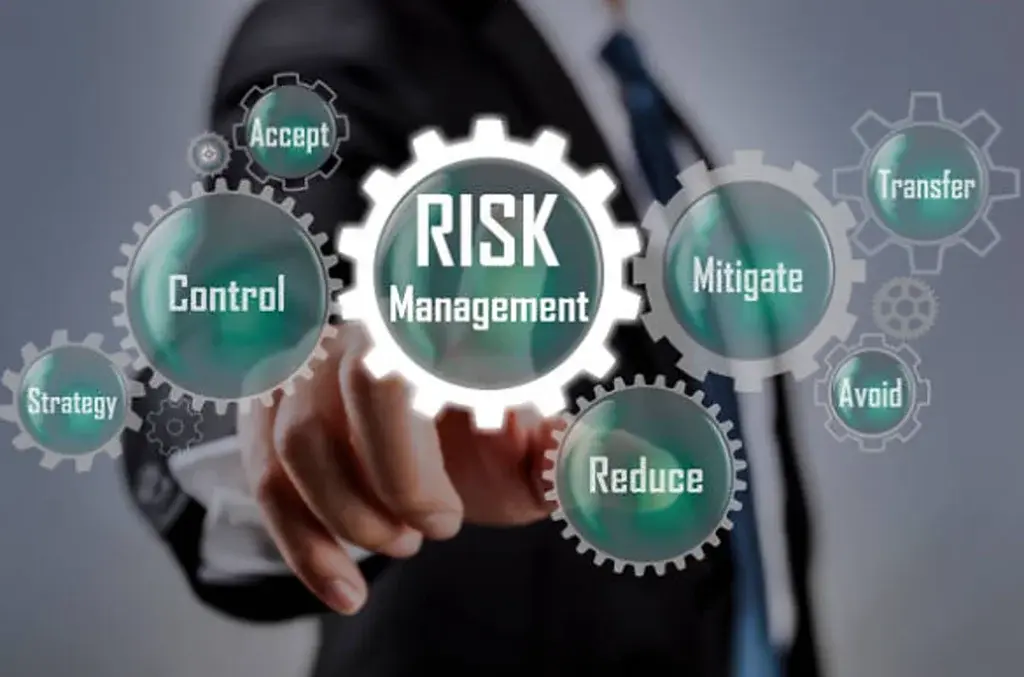
The concept of the “workplace” has undergone a seismic shift in the last decade. Gone are the days when risk management was solely about wet floor signs and hard hats on a construction site. Today, the modern work environment is a fluid ecosystem that encompasses high-tech automated warehouses, bustling gig-economy hubs, and, perhaps most prominently, the quiet corners of our own living rooms. While this evolution offers unprecedented flexibility and efficiency, it also introduces a complex web of new safety challenges.
As boundaries blur between home and office, and as human employees increasingly collaborate with autonomous machines, traditional safety protocols are becoming obsolete. For business leaders and employees alike, understanding these shifting sands is crucial. Ignoring the changing landscape doesn’t just invite inefficiency; it opens the door to physical injury, psychological strain, and significant legal liability. This guide explores five critical strategies for identifying and mitigating accident-related risks in today’s dynamic professional world.
1. Redefining Ergonomics for the Remote Era
The rapid transition to remote and hybrid work models has been celebrated for its flexibility, but it has also created a silent epidemic of musculoskeletal disorders. In a traditional office, employers have control over desk height, chair support, and monitor placement. In a home office, an employee might be hunched over a laptop at a kitchen counter for eight hours a day. This lack of ergonomic oversight significantly increases the risk of repetitive strain injuries (RSIs), back pain, and carpal tunnel syndrome.
To manage this, organizations must extend their safety culture into the remote sphere. This doesn’t necessarily mean buying every employee a high-end chair, but rather providing education and resources.
- Practical Tip: Encourage employees to conduct a “home office audit.” Provide a checklist that covers monitor height (eye level), chair support (feet flat on the floor), and lighting. Small adjustments, like using an external keyboard or a laptop stand, can drastically reduce the risk of long-term injury.
2. Mitigating Risks in Human-Machine Collaboration
In sectors like manufacturing, logistics, and even healthcare, the modern workforce is increasingly working alongside “cobots” (collaborative robots). Unlike traditional industrial robots that were caged off, cobots share workspace with humans. While designed to be safe, malfunctions or human error can still lead to accidents. The risk here is often complacency; workers may trust the technology too much and bypass safety checks, or they may not be adequately trained on the machine’s limitations.
Safety managers need to implement rigorous training programs that focus specifically on the interaction points between humans and machines. It is not enough to know how to turn the machine on; workers must understand emergency stop procedures and the specific sensors that detect human presence.
- Practical Tip: Implement clear visual zoning in warehouses or factories. Use floor tape to mark the “swing zones” of automated machinery, ensuring that human workers remain at a safe distance even if sensors fail.
3. Addressing the Mental Health Component of Safety
Modern risk management recognizes that a distracted or stressed employee is an unsafe employee. The “always-on” culture driven by smartphones and instant messaging can lead to severe burnout and cognitive fatigue. When an employee is mentally exhausted, their reaction times slow down, and their situational awareness drops. In high-risk environments, such as driving or operating heavy machinery, this mental fog can be just as dangerous as intoxication.
Organizations must view mental health support not as a perk, but as a critical safety control. This involves setting clear boundaries regarding after-hours communication and encouraging regular breaks to reset cognitive function.
- Practical Tip: Adopt a “right to disconnect” policy where employees are not expected to answer emails after a certain hour. This ensures they return to work rested and alert, reducing the likelihood of fatigue-related errors.
4. Navigating the Legal Complexities of Hybrid Liability
One of the most confusing aspects of the modern workplace is determining liability when an accident occurs outside of company property. If a remote worker trips over a cord in their home office while on a Zoom call, is it a workplace injury? The lines are blurry, and laws vary significantly by jurisdiction. Understanding local regulations is paramount for both compliance and protection.
For example, the protocols for reporting an injury in a co-working space differ vastly from a company-owned building. In complex cases involving severe injuries or ambiguous circumstances, clarity is essential. A specialized personal injury lawyer in Tulsa OK, might approach a claim differently than one in New York, simply due to the nuances of state workers’ compensation laws and how they interpret the “course and scope” of employment.
- Practical Tip: Update employee handbooks to clearly define what constitutes “work hours” and “work areas” for remote staff. While this doesn’t override state law, it helps establish expectations and protocols for reporting incidents immediately, regardless of where they happen.
5. Cybersecurity as a Physical Safety Issue
In the era of the Internet of Things (IoT), cybersecurity is no longer just about protecting data; it’s about protecting people. Operational Technology (OT)—the hardware and software that controls industrial equipment—is increasingly connected to the internet. A cyberattack on a chemical plant’s cooling system or a hospital’s HVAC system could have catastrophic physical consequences for the workers inside.
Risk assessments must now include a convergence of IT (Information Technology) and physical safety. IT teams and safety officers, who traditionally worked in silos, need to collaborate to identify how a digital breach could manifest as a physical hazard.
- Practical Tip: Conduct regular “safety-security” drills. Just as you practice fire drills, simulate a scenario where a cyber-breach impacts physical systems, ensuring workers know how to manually override equipment and shut down operations safely in the event of a hack.
Conclusion
The modern work environment is a marvel of innovation, but it demands a modernized approach to safety. By looking beyond the traditional hazards and addressing the nuances of remote work, mental fatigue, and digital connectivity, we can create environments that are not only productive but genuinely safe for everyone involved. The key lies in proactive adaptation—anticipating the risks of tomorrow before they become the accidents of today.
Also Read-5 Strategies for Managing Accident Risks in Modern Work Environments